
|
Getting your Trinity Audio player ready...
|
✓ Medically reviewed by Dr. Ashutosh Shah, Plastic, Reconstructive & Cosmetic Surgeon (M.Ch., DNB)
Introduction to Dental Braces Treatment
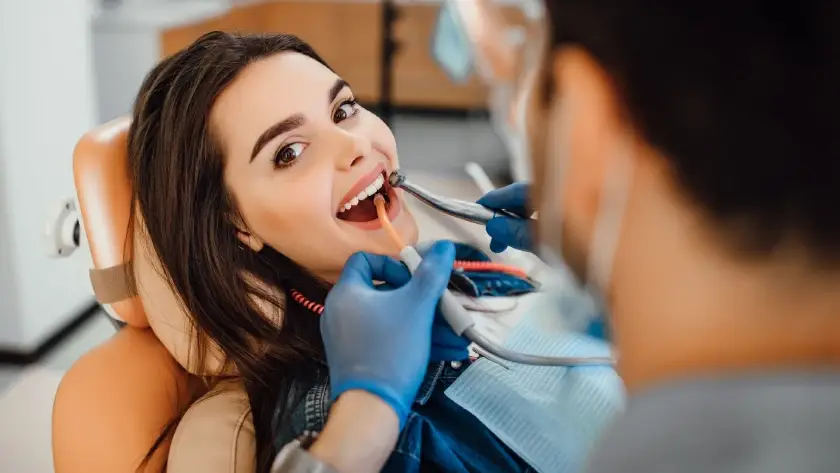
A well-aligned smile enhances facial balance, improves oral hygiene, and boosts self-confidence. dental braces treatment is a structured orthodontic procedure designed to correct crooked teeth, spacing problems, bite misalignment, and jaw irregularities.
By applying controlled pressure over time, braces gradually reposition teeth into ideal alignment, creating both functional and aesthetic improvement.
Modern orthodontics focuses not only on straightening teeth but also on maintaining long-term dental health. Misaligned teeth can trap plaque, increase the risk of gum disease, and contribute to uneven enamel wear. Early assessment by a qualified orthodontist ensures proper planning and predictable results.
Advancements in dental technology now provide more comfortable and discreet solutions compared to earlier methods. Patients today can choose from visible fixed appliances or nearly invisible aligner systems depending on their preference and clinical needs.
Understanding available options helps individuals make informed decisions about their orthodontic journey.
Different Types of Dental Braces Available Today
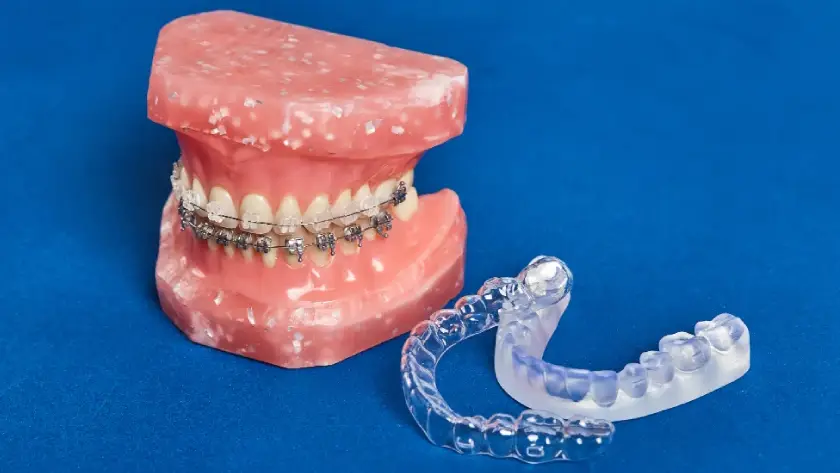
Orthodontic care has evolved significantly, offering patients a variety of solutions. The different types of dental braces include metal systems, ceramic alternatives, lingual appliances, and clear aligner-based corrections. Each option differs in structure, appearance, maintenance, and suitability for specific dental conditions.
Fixed appliances are bonded directly to teeth and adjusted periodically to guide alignment. These systems are highly effective for complex orthodontic cases. Removable aligners, on the other hand, provide flexibility and aesthetic appeal while correcting mild to moderate irregularities.
Choosing the right option depends on bite severity, age, lifestyle, and treatment expectations. Consulting an orthodontic specialist ensures accurate diagnosis and a customized plan tailored to individual dental anatomy.
What Are Traditional Braces?
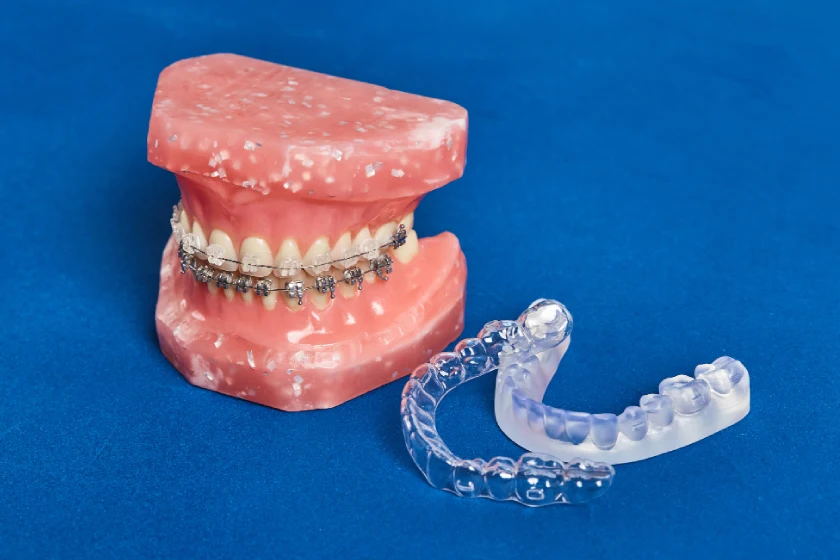
Traditional braces consist of stainless steel brackets attached to each tooth and connected with an archwire. The orthodontist adjusts the wire during scheduled appointments, gradually guiding teeth into proper alignment. Elastic bands may also be used to enhance bite correction.
These braces are known for their strength and effectiveness in handling severe crowding, rotated teeth, and significant jaw misalignment. Because they remain fixed throughout the treatment duration, compliance is consistent and results are predictable.
Although visible, modern versions are smaller and more comfortable than earlier designs. Patients may experience temporary soreness after adjustments, but this typically subsides within a few days. Maintaining oral hygiene requires careful brushing and flossing around brackets to prevent plaque accumulation.
What Are Invisalign Braces?
Invisalign braces are transparent aligners created using digital scans and customized treatment mapping. Each aligner tray fits snugly over the teeth and applies gentle pressure to shift them gradually. Patients switch to a new set of trays approximately every two weeks as alignment progresses.
This system is highly popular among adults and professionals who prefer a discreet orthodontic solution. Because the aligners are removable, patients can eat comfortably and maintain better oral hygiene compared to fixed systems. However, consistent wear for the recommended daily duration is essential to achieve expected results.
Clear aligners are ideal for mild to moderate misalignment and spacing issues. In complex cases, orthodontists may recommend alternative options for more controlled correction.
Invisalign vs Traditional Braces: Key Differences
When comparing invisalign vs traditional braces, several factors come into consideration including visibility, effectiveness, comfort, and maintenance. Metal systems are typically recommended for complicated orthodontic cases due to their precise force application.
Clear aligners are often preferred for aesthetic reasons and lifestyle flexibility.
Treatment duration may vary depending on the severity of misalignment and patient compliance. Fixed systems require regular in-clinic adjustments, while aligner-based treatment involves periodic monitoring with fewer emergency visits.
Dietary restrictions also differ. Fixed brackets require avoiding hard or sticky foods to prevent damage. Removable trays allow normal eating habits since they are taken out during meals. These distinctions help patients choose a solution aligned with their personal and professional needs.
Pros and Cons of Invisalign Braces vs Traditional Braces
Evaluating invisalign braces vs traditional braces helps in understanding advantages and limitations of each system. Clear aligners provide aesthetic appeal, smooth edges, and easier cleaning. They reduce irritation to cheeks and gums compared to metal brackets. However, missed wear time can slow progress and compromise outcomes.
Fixed appliances offer superior control for complex bite adjustments and major alignment corrections. They remain attached, ensuring continuous pressure without relying on patient discipline. On the downside, they are more noticeable and may initially cause mild discomfort.
Both systems require post-treatment retention to maintain alignment results. Proper follow-up ensures long-term stability and oral health improvement.
Which Dental Braces Treatment Is Right for You?
Selecting the appropriate orthodontic option depends on clinical diagnosis, lifestyle priorities, and financial planning. Patients with severe structural issues often benefit more from comprehensive fixed correction. Those seeking subtle appearance during treatment may lean toward aligner-based solutions.
Cost plays an important role in decision-making. Many individuals inquire about traditional braces cost, which varies based on complexity and material used. Others compare pricing by evaluating invisalign teeth braces cost, influenced by the number of aligners and digital customization required.
A personalized consultation helps determine realistic timelines and overall treatment investment. Orthodontists typically recommend solutions that balance effectiveness, comfort, and budget considerations.
Dental Braces Cost in Surat, Gujarat, India
Understanding dental braces cost in India requires analyzing regional factors, clinic expertise, and treatment duration. Pricing structures differ across cities based on technology adoption and specialist experience.
For patients researching braces cost in surat, estimates are generally provided after clinical assessment and diagnostic imaging. The invisalign braces cost is often higher due to advanced 3D planning, customized tray fabrication, and imported materials.
Despite cost variations, investing in orthodontic correction prevents long-term complications such as gum recession, jaw discomfort, and uneven tooth wear. Transparent communication regarding pricing, payment plans, and treatment stages helps patients plan effectively.
Conclusion
Selecting the right orthodontic solution requires professional guidance, clinical precision, and personalized planning. A superspeciality centre like Elegance Superspeciality Dental Clinic offers comprehensive care for diverse dental needs, supported by highly trained professionals and advanced treatment infrastructure.
For expert consultation and cutting-edge orthodontic solutions, schedule an appointment today at Elegance Dental Clinic and take the first step toward a healthier, confident smile.
Hear from our patients
EXCELLENTTrustindex verifies that the original source of the review is Google. Dr. Ravi sir is best doctor and kind person . all the staff so good and humble. thanks to Nikita for good service .Posted on GoogleTrustindex verifies that the original source of the review is Google. I had been dealing with stubborn skin pigmentation for quite some time and was not seeing results from previous treatments. It was really affecting my confidence. After visiting Elegance Clinic and consulting Dr. Ravi Khambhati, I finally found the right solution. His treatment worked very well for me, and I can see a clear improvement in my skin tone and texture. What I appreciated most was how clearly he explained the cause of my pigmentation and guided me on proper skincare to avoid it in the future. His approach is honest, professional, and very patient-friendly. I am truly satisfied with my results and grateful to Dr. Ravi Khambhati for his excellent care. Highly recommended for anyone facing similar skin issues.Posted on GoogleTrustindex verifies that the original source of the review is Google. The doctor are very excellent and experienced.... The staff here is very supportive..... The output of operations here are very outstanding and remarkablePosted on GoogleTrustindex verifies that the original source of the review is Google. I have been to elegance now 4 times , kanchan has been the specialist who did my treatment not only is she very good but she makes you feel comfortable and makes sure that treatment goes well , must visit and do ask for herPosted on GoogleTrustindex verifies that the original source of the review is Google. Very good treatment sirPosted on GoogleTrustindex verifies that the original source of the review is Google. Thank you for such wonderful care and treatment. I am very satisfied with the results and appreciate the doctor’s guidance and support.Posted on GoogleTrustindex verifies that the original source of the review is Google. “Dr. Ashutosh was incredibly calm and reassuring—his gentle humming actually helped ease my anxiety. He handled everything with great skill and professionalism, and the entire medical team was equally supportive throughout the process.”Posted on GoogleTrustindex verifies that the original source of the review is Google. Had a great experience at Elegance Clinic, Adajan. Dr. Ravi and therapist Kanchan were extremely helpful, professional, and made me feel very comfortable throughout the process. Highly recommend!Posted on GoogleTrustindex verifies that the original source of the review is Google. I recently underwent a hair transplant procedure at Elegance Clinic, and my experience has been highly satisfactory. It has been 10 days since the procedure, and my first post-transplant hair wash was conducted very professionally. I sincerely appreciate the expertise and guidance of Dr. Chetan, Bhargav bhai, and Dr. Ashutosh Shah. The entire team is courteous, attentive, and well-trained. The clinic maintains excellent cleanliness standards, and the OT hygiene is particularly impressive, ensuring a safe and comfortable environment. I would confidently recommend Elegance Clinic to anyone considering a hair transplant.
Why Are We the Best?
FAQs
It is an orthodontic procedure used to correct misaligned teeth, spacing issues, and bite irregularities by applying controlled pressure to gradually move teeth into proper position.
They use metal brackets and wires attached to teeth. Periodic adjustments apply consistent pressure, guiding teeth into alignment over time.
The cost depends on the number of aligners required, case complexity, and clinic expertise. It is generally higher than metal-based systems due to digital customization.
Treatment duration typically ranges from 12 to 24 months, depending on the severity of misalignment and patient compliance.
The better option depends on dental complexity, aesthetic preference, and lifestyle. A professional consultation helps determine the most suitable choice.
Dr. Ashutosh Shah
M.B., M.S., M. Ch. D.N.B. Board Certified Plastic Surgeon and a Director of Elegance Clinic
A Navsari city native, Dr. Ashutosh Shah settled in Surat, Gujarat to establish his cosmetic and plastic surgery practice in 2004.
Elegance Clinic is now more accessible than ever! With our dedicated WhatsApp service at +91 76980 46805, getting in touch with us for any queries or concerns is just a message away. Experience the convenience and ease of our WhatsApp features:
- 🗓️ Booking Appointments: Schedule effortlessly with a message.
- 📋 Explore Our Services: Learn about cosmetic and plastic surgery options available for you.
- 📍 Location Guidance: Find us easily with location guidance.
- ☎️ Ask Helpline: Prompt helpline support for all your queries.
Reach out today for a seamless journey towards wellness and beauty!