

|
Getting your Trinity Audio player ready...
|
✓ Medically reviewed by Dr. Ashutosh Shah, Plastic, Reconstructive & Cosmetic Surgeon (M.Ch., DNB)
A dental implant can replace a missing tooth, but it is not suitable for everyone without careful assessment. Eligibility depends on gum health, jawbone support, overall health, oral hygiene and lifestyle factors such as smoking. A dental professional can evaluate your needs and discuss whether an implant, bone grafting or another tooth-replacement option is appropriate.
Who Can Get Dental Implants?
Many adults with missing teeth may be candidates for dental implants if their jawbone and gums are healthy enough to support treatment. The dentist will assess your oral health, medical history and the condition of the area where the implant is planned.
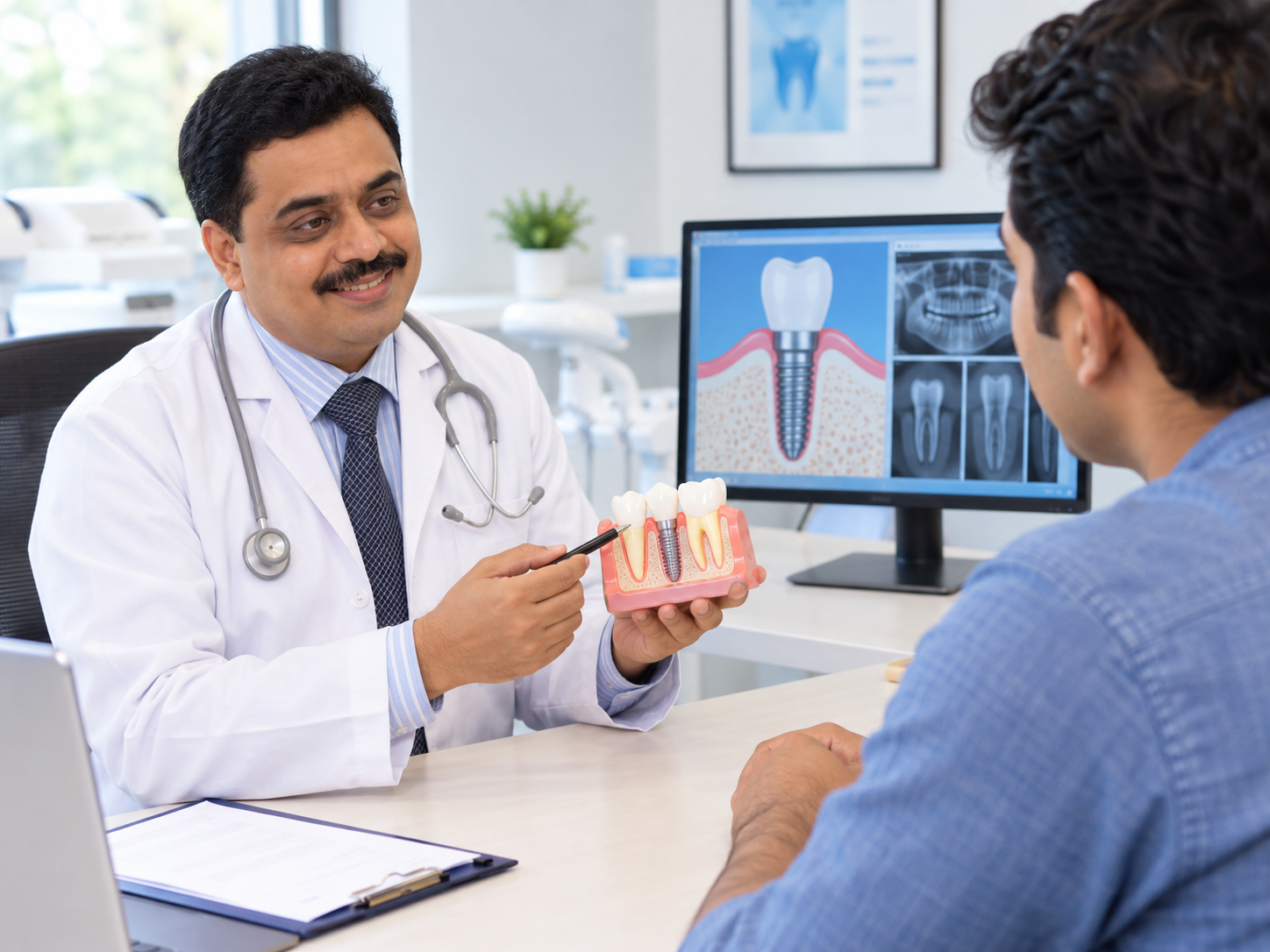
A dental implant is a small post placed in the jawbone to support a replacement tooth. It can restore chewing function and appearance, but successful treatment requires planning, healing and ongoing oral hygiene.
You can learn more about dental implant procedures at Elegance Clinic before discussing your options with a dental professional.
Dental Implant Candidate: What Should You Check?
Use this checklist to understand the main factors that may affect your suitability.
- Healthy gums: Existing gum disease should be assessed and treated before implant placement.
- Adequate jawbone: The bone must provide suitable support. Some patients may need bone grafting before an implant can be placed.
- Good oral hygiene: Regular brushing, cleaning between teeth and dental check-ups help protect the implant and surrounding tissues.
- Medical history: Conditions such as uncontrolled diabetes may affect healing and require careful evaluation.
- Smoking habits: Smoking can increase the risk of healing problems and implant complications.
- Commitment to follow-up: Implant treatment may take several months, and regular reviews are important.
- Realistic expectations: The number of implants, treatment time and final result depend on individual circumstances.
Meeting these general criteria does not guarantee eligibility. A clinical examination and appropriate investigations are needed before treatment can be recommended.
When Might Dental Implants Need Extra Planning?
Some medical or dental conditions do not automatically rule out implants, but they may require additional treatment or precautions.
Gum disease
Active gum disease should be managed before implant treatment. Healthy gums and good plaque control are important for long-term implant maintenance.
Low jawbone density or bone loss
When teeth have been missing for a long time, the jawbone may have reduced in volume. Depending on the location and amount of bone available, the dentist may discuss bone grafting or alternative implant techniques.
Learn about All-on-4 dental implants, a treatment option that may be considered for selected patients who need full-arch tooth replacement.
Diabetes and other health conditions
Uncontrolled diabetes may interfere with healing and increase complication risks. Your dentist may coordinate with your treating doctor to assess whether your condition is adequately managed before treatment.
Certain medicines, previous radiation treatment to the jaw and other medical conditions can also affect planning. Always provide a complete and accurate medical and medication history.
Smoking and tobacco use
Smoking can impair healing and increase the risk of implant-related complications. Discuss your tobacco use with your dental professional and ask what steps you can take to reduce risk before and after treatment.
Are Dental Implants Available in Surat?
Patients considering a dental implant in Surat can arrange an assessment with a qualified dental professional. The examination may include gum evaluation, imaging to assess bone support and a review of medical history.
Explore dental and maxillofacial services at Elegance Clinic to learn about the clinic’s dental care services. Your treatment plan should be based on your individual findings rather than a general eligibility checklist.
What If You Are Not Suitable for a Dental Implant?
If an implant is not appropriate immediately, the dentist may first recommend treating gum disease, improving oral hygiene, managing a medical condition or addressing insufficient bone support.
Other tooth-replacement options may include:
- Dental bridge: A replacement tooth supported by neighbouring teeth.
- Removable partial denture: A removable option for replacing one or more missing teeth.
- Full denture: An option when all teeth in an arch are missing.
The most suitable option depends on your remaining teeth, gum health, bone support, budget, preferences and long-term goals.
Frequently Asked Questions
1. Is a dental implant suitable for everyone?
No. Many adults can receive dental implants, but suitability depends on gum health, jawbone support, medical history and ability to maintain oral hygiene. Some people need treatment or additional planning before an implant can be placed.
2. Can people with diabetes get dental implants?
Some people with diabetes can receive dental implants. However, poorly controlled blood glucose may affect healing and increase the risk of complications. Your dentist may recommend medical review and better glucose management before proceeding.
3. What happens if I do not have enough jawbone for an implant?
Your dentist may assess whether bone grafting or another suitable technique could provide enough support. In some cases, a different implant approach or a non-implant replacement may be more appropriate.
4. How do I know whether I am a dental implant candidate in Surat?
Arrange an examination with a qualified dental professional. They can assess your gums, jawbone, missing-tooth area and medical history, then explain the available options, expected treatment time, costs and risks.
Conclusion
Dental implants can be an effective option for replacing missing teeth, but careful assessment is essential. Gum health, bone support, medical conditions and daily oral care all influence treatment planning. A dental consultation can help you understand whether an implant or another tooth-replacement option best meets your needs.
