

✓ Medically reviewed by Dr. Ashutosh Shah, Plastic, Reconstructive & Cosmetic Surgeon (M.Ch., DNB)
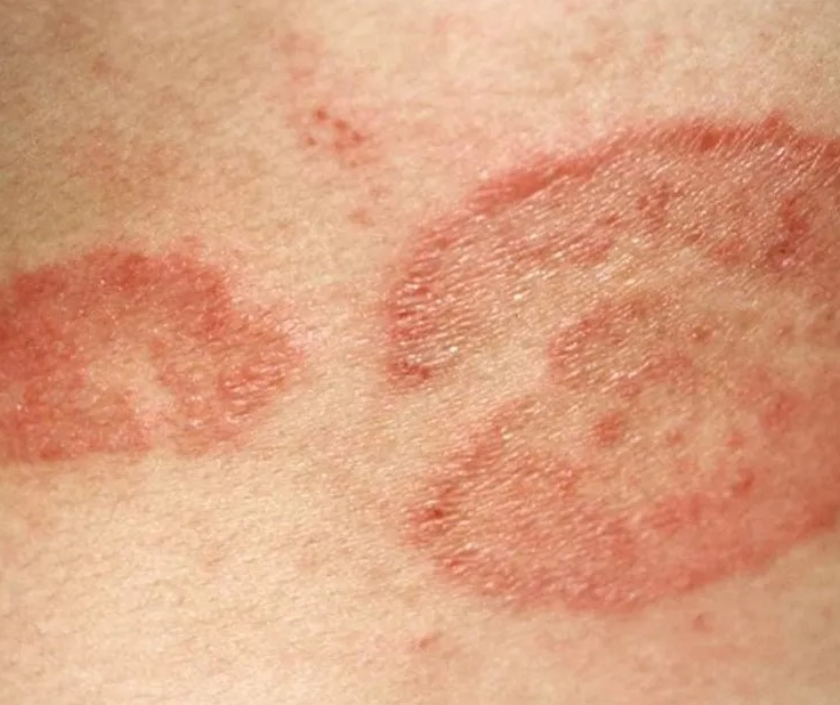
Tinea (Ringworm) is a common, contagious fungal skin infection that causes a red, scaly, ring-shaped rash with a raised border. Despite the name, no worm is involved – it’s caused by fungi called dermatophytes. It spreads through skin contact, shared items, and pets, and it usually clears fully with the right antifungal treatment.
At Elegance Clinic, Dr. Ashutosh Shah diagnoses and treats Tinea (Ringworm) – including stubborn, recurring, and steroid-worsened cases – to clear the infection, stop it spreading, and prevent it coming back.
What Is Tinea (Ringworm)?
Tinea (Ringworm) is an infection of the skin, scalp, or nails caused by dermatophyte fungi that feed on keratin. It thrives in warm, moist areas and spreads easily between people, animals, and surfaces.
It’s named by where it appears:
- Tinea corporis – body
- Tinea cruris – groin (jock itch)
- Tinea pedis – feet (athlete’s foot)
- Tinea capitis – scalp (common in children; needs oral treatment)
- Tinea unguium – nails
Correct identification matters, because scalp and nail tinea won’t respond to creams alone.
Causes of Tinea (Ringworm)
Tinea (Ringworm) spreads through:
- Skin-to-skin contact with an infected person
- Contact with infected pets (cats, dogs) or farm animals
- Sharing towels, clothing, combs, or bedding
- Damp, shared surfaces (gym floors, changing rooms, pools)
- Excess sweating and tight, occlusive clothing
- Warm, humid climate
It is not caused by poor hygiene alone, and it is contagious.
Symptoms of Tinea (Ringworm)
Common signs of Tinea (Ringworm) include:
- A red, circular rash with a raised, scaly border
- Clearer skin in the centre of the ring
- Itching and mild burning
- Spreading or multiple overlapping patches
- Cracked, flaking skin (between toes in athlete’s foot)
- Scalp scaling with patchy hair loss (in tinea capitis)
- Thick, discoloured nails (in nail tinea)
How Tinea (Ringworm) Is Treated
At Elegance Clinic, Dr. Ashutosh Shah confirms the diagnosis – sometimes with a simple skin scraping – before treatment, because ringworm is easily confused with eczema and is often worsened by steroid creams.
Treatment includes:
- Topical antifungal creams for localised skin infection
- Oral antifungals for scalp, nail, widespread, or resistant cases
- Stopping any steroid cream that’s masking or spreading it
- Guidance to prevent re-infection and household spread
- Follow-up for recurrent or long-standing tinea
Benefits of Early Treatment
Treating Tinea (Ringworm) early helps:
- Clear the infection faster
- Stop it spreading to other body areas
- Prevent passing it to family members
- Avoid scalp and nail involvement
- Reduce the chance of recurrence
- Prevent complications in diabetic or immunocompromised skin
Why Choose Elegance Clinic?
Patients trust Dr. Ashutosh Shah and Elegance Clinic for Tinea (Ringworm) because we offer:
- Accurate diagnosis, including confirmation when needed
- Expertise in recurrent and steroid-modified tinea
- Correct treatment for scalp and nail infections
- Personalized, evidence-based antifungal care
- Practical advice to stop reinfection
- Continuous follow-up
Book Your Consultation in Surat
If you have a spreading, itchy, ring-shaped rash – or one that keeps coming back – consult Dr. Ashutosh Shah at Elegance Clinic. Early treatment of Tinea (Ringworm) clears it faster and stops it spreading.
When to See a Doctor
See a dermatologist if you have:
- A rash that spreads or keeps returning despite creams
- Ringworm on the scalp or nails (creams won’t cure these)
- A rash that worsened after using a steroid cream
- Widespread patches or infection alongside diabetes or low immunity
- Uncertainty whether it’s ringworm or eczema
A rash treated as eczema with steroids when it’s actually tinea gets larger and harder to clear – which is why an accurate diagnosis matters before treatment.
Frequently Asked Questions
Having doubts and questions? These are few questions our customers normally ask us!
Is ringworm contagious?
Yes. Ringworm spreads through skin contact, shared towels or clothing, contaminated surfaces, and infected pets. It stays contagious until treated – usually about 24–48 hours after starting antifungal treatment it’s much less so, but the rash takes longer to clear.
How did I get ringworm?
Usually from direct contact – an infected person or pet, or shared items like towels, combs, or gym equipment. Warmth, sweating, and humidity make it easier to catch. It’s a fungal infection, not a sign of poor hygiene.
How long does ringworm take to clear?
Skin ringworm usually clears in 2-4 weeks with the right antifungal cream. Scalp and nail infections take longer and need oral medication – often 4-6 weeks or more. Stopping treatment early is the main reason it comes back.
Can freckles and lentigines be removed permanently?
Lentigines often can; freckles usually can’t. Lasers, peels, and topicals reduce lentigines long-term, but freckles tend to return with sun exposure unless you use sunscreen consistently.
Does ringworm go away on its own?
Rarely, and slowly – while it stays contagious and spreads. Antifungal treatment clears it faster and protects people around you. Scalp and nail tinea won’t resolve without oral treatment.
Where can I get ringworm treatment in Surat?
Dr. Ashutosh Shah treats ringworm, including recurrent cases, at Elegance Clinic, Surat. Treatment starts by confirming the diagnosis, then targeted antifungal therapy to clear it and prevent spread.

