

✓ Medically reviewed by Dr. Ashutosh Shah, Plastic, Reconstructive & Cosmetic Surgeon (M.Ch., DNB)
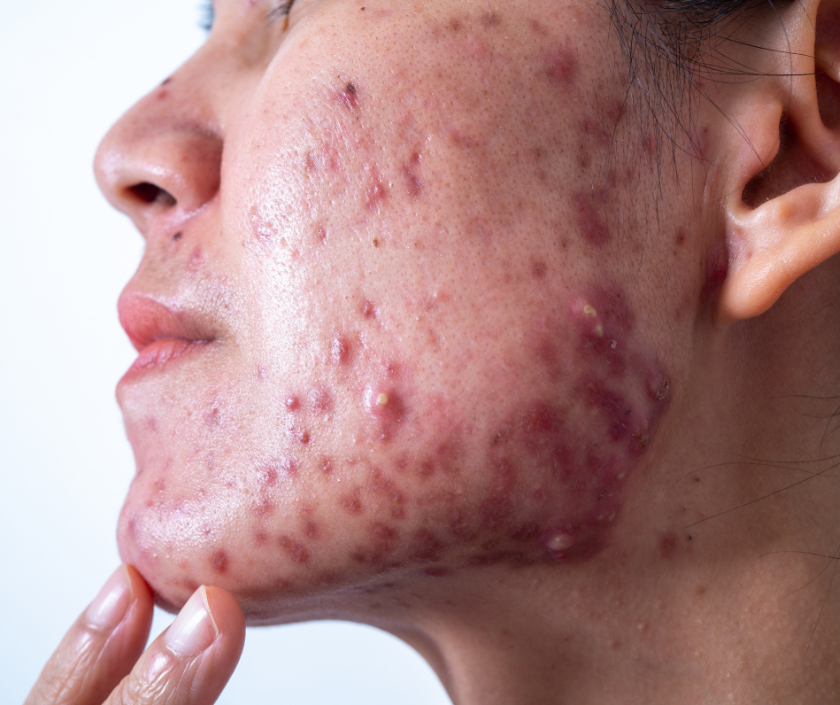
At Elegance Clinic, Cystic Acne is treated as the most severe form of acne, developing deep beneath the skin. It causes large, painful, inflamed cysts that often leave permanent scars if not treated early. Unlike common pimples, It is usually does not improve with regular skincare products and often requires medical treatment.
Treatment at Elegance Clinic focuses on reducing inflammation, controlling new breakouts, preventing permanent scarring, relieving pain, and improving long-term skin health through a personalized treatment plan.
What Is Cystic Acne?
It is a severe inflammatory type of acne that occurs when pores become blocked with excess oil, dead skin cells, and bacteria. This leads to deep, painful, pus-filled cysts beneath the skin that can remain for weeks and often heal with scars.
At Dr. Ashutosh Shah’s practice, every patient undergoes a detailed skin assessment to determine the severity of acne, identify possible triggers, and recommend the most appropriate treatment.
What Causes Cystic Acne?
Several factors contribute to the development of cystic acne. The exact cause differs from person to person.
Common causes and risk factors include:
- Excess oil (sebum) production
- Hormonal changes during puberty
- Hormonal imbalance, including PCOS
- Acne-causing bacteria
- Clogged pores from dead skin cells
- Family history of severe acne
- High stress levels
- Certain medications
- Oily cosmetic products
- High-glycemic foods and dairy in some individuals
- Excess sweating and humidity
Symptoms of Cystic Acne
It usually presents with painful, deep lesions beneath the skin.
Common symptoms include:
- Large painful cysts
- Deep inflamed lumps
- Pus-filled nodules
- Redness and swelling
- Skin tenderness
- Persistent breakouts
- Acne scars after healing
- Dark spots (post-inflammatory pigmentation)
- Oily skin
Types of Cystic Acne
It may appear in different forms depending on severity.
- Deep inflammatory cysts
- Nodulocystic acne
- Hormonal cystic acne
- Recurrent cystic acne
- Severe facial acne
- Chest and back cystic acne
Different types require individualized treatment plans.
How Cystic Acne Is Treated
At Elegance Clinic, treatment is customized according to acne severity, skin type, hormonal factors, and scarring risk.
Treatment options may include:
- Prescription topical medications
- Oral medications to reduce inflammation
- Oral antibiotics when appropriate
- Hormonal treatment for hormone-related acne
- Oral isotretinoin for severe cases (when medically indicated)
- Chemical peels for acne-prone skin
- Intralesional injections for painful cysts (selected cases)
- Acne scar treatment after acne is controlled
- Personalized skincare routine
- Regular follow-up and maintenance
The primary goal is to control active cystic acne, reduce pain, prevent new cyst formation, minimize scarring, and improve overall skin health.
Benefits of Proper Cystic Acne Treatment
- Reduces painful cysts
- Controls inflammation
- Prevents permanent acne scars
- Lowers the frequency of breakouts
- Improves skin texture
- Reduces post-acne pigmentation
- Supports healthier skin
- Improves confidence and quality of life
Early treatment offers the best chance of preventing long-term skin damage.
Why Choose Elegance Clinic?
Patients choose Elegance Clinic for cystic acne treatment because of:
- Personalized treatment plans
- Detailed skin evaluation
- Advanced acne management
- Focus on scar prevention
- Safe, evidence-based treatment
- Hormonal assessment when needed
- Expert diagnosis by Dr. Ashutosh Shah
- Long-term follow-up and skin care guidance
Book Your Consultation in Surat
If you have painful acne cysts, repeated severe breakouts, or early acne scars, consult Dr. Ashutosh Shah at Elegance Clinic in Surat.
Early treatment can reduce inflammation, prevent permanent scars, and improve long-term skin health.
When to See a Doctor
You should seek medical advice if you notice:
- Large painful acne cysts
- Acne leaves permanent scars
- Frequent severe breakouts
- Acne not responding to over-the-counter products
- Deep nodules beneath the skin
- Acne causing emotional distress
- Dark spots after acne heals
- Acne associated with hormonal proble
Frequently Asked Questions
Having doubts and questions? These are few questions our customers normally ask us!
What is Cystic Acne?
Cystic acne is the most severe form of acne, causing deep, painful, pus-filled cysts beneath the skin that can lead to permanent scarring without proper treatment.
What causes Cystic Acne?
Cystic acne develops due to excess oil production, clogged pores, acne-causing bacteria, hormonal changes, genetics, stress, and other contributing factors.
How is Cystic Acne treated?
Treatment may include prescription topical medications, oral medicines, hormonal therapy, chemical peels, isotretinoin for suitable patients, and personalized skincare under medical supervision.
How long does it take to see results from cystic acne treatment?
Most patients begin to notice improvement within 6–12 weeks, although treatment duration varies depending on the severity of the acne and individual skin response.
When should I see a dermatologist for cystic acne?
You should consult a dermatologist if you have painful, recurring cysts, acne that doesn’t improve with over-the-counter products, or signs of acne scars. Early treatment helps prevent permanent skin damage.
