

✓ Medically reviewed by Dr. Ashutosh Shah, Plastic, Reconstructive & Cosmetic Surgeon (M.Ch., DNB)
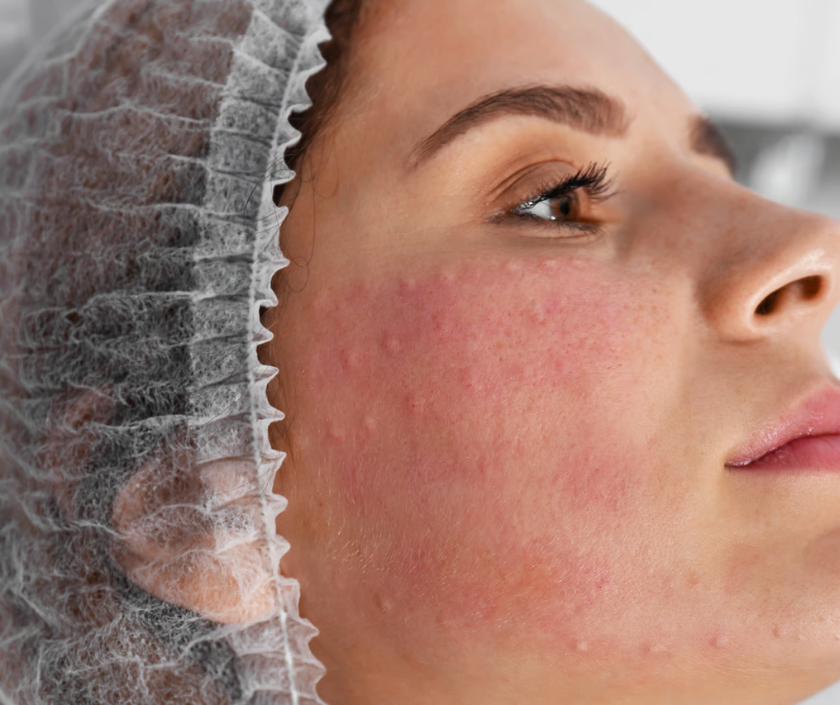
At Elegance Clinic, Rosacea is managed as a chronic skin condition that commonly causes persistent facial redness, visible blood vessels, skin sensitivity, and acne-like bumps. Rosacea often affects the cheeks, nose, forehead, and chin, and may gradually worsen if not treated properly.
Treatment at Elegance Clinic focuses on reducing redness, controlling inflammation, improving skin comfort, and minimizing flare-ups through personalized treatment planning.
What Is Rosacea?
Rosacea is a long-term inflammatory skin disorder that mainly affects the central part of the face. It usually begins with frequent flushing or redness and may later cause visible blood vessels, swelling, and pimple-like eruptions.
At Dr. Ashutosh Shah, each patient receives a careful skin evaluation to identify severity, triggers, and the most effective treatment approach.
What Causes Rosacea?
The exact cause of rosacea is not fully understood, but several factors may contribute.
Common triggers include:
- Genetic predisposition
- Excessive sun exposure
- Stress and emotional triggers
- Hot weather and humidity
- Spicy foods and hot beverages
- Alcohol consumption
- Sensitive skin barrier dysfunction
- Immune system overreaction
Symptoms of Rosacea
Rosacea symptoms often develop gradually and may worsen over time.
Common symptoms include:
- Persistent facial redness
- Frequent flushing of the cheeks and nose
- Visible tiny blood vessels on the face
- Acne-like bumps or pustules
- Burning or stinging sensation
- Skin dryness and sensitivity
- Swelling around affected areas
- Thickened skin in severe cases
Types of Rosacea
Rosacea may appear in different forms.
- Erythematotelangiectatic Rosacea (persistent redness)
- Papulopustular Rosacea (redness with acne-like bumps)
- Phymatous Rosacea (skin thickening, especially on the nose)
- Ocular Rosacea (eye irritation and redness)
How Rosacea Is Treated
At Elegance Clinic, treatment is planned according to symptom severity and skin sensitivity.
Treatment options may include:
- Medical creams for redness and inflammation control
- Oral medication when flare-ups become severe
- Skin barrier repair therapy
- Anti-inflammatory treatment approaches
- Personalized skincare recommendations
- Trigger identification and lifestyle guidance
- Long-term maintenance treatment
The goal is to control symptoms, reduce flare-ups, and improve overall skin health.
Benefits of Proper Rosacea Treatment
- Reduced facial redness
- Better control of inflammation
- Fewer flare-ups
- Improved skin comfort
- Reduced visible blood vessels
- Better skin appearance
- Improved long-term skin health
Why Choose Elegance Clinic?
Patients choose Elegance Clinic for skin care management because of:
- Personalized treatment planning
- Focus on long-term symptom control
- Advanced skin condition management
- Safe and medically supervised treatment
- Individual trigger analysis and guidance
- Patient-centered consultation and follow-up
- Long-term skin care support
Book Your Consultation in Surat
If you notice persistent facial redness, skin sensitivity, frequent flushing, or acne-like facial bumps, consult Dr. Ashutosh Shah at Elegance Clinic in Adajan, Surat.
Early diagnosis can help control symptoms and reduce the progression of Rosacea.
When to See a Doctor
You should seek medical advice if you notice:
- Persistent facial redness
- Frequent facial flushing
- Acne-like bumps with redness
- Visible blood vessels on the cheeks or the nose
- Sensitive skin with a burning sensation
- Worsening redness over time
Frequently Asked Questions
Having doubts and questions? These are few questions our customers normally ask us!
What is Rosacea?
Rosacea is a chronic skin condition that causes facial redness, visible blood vessels, and inflammation, mainly affecting the central face.
Is Rosacea permanent?
Rosacea is a long-term condition, but symptoms can be effectively controlled with proper treatment and trigger management.
What triggers Rosacea flare-ups?
Sun exposure, stress, spicy foods, heat, alcohol, and certain skincare products can trigger flare-ups.
How is Rosacea treated?
Treatment may include medical creams, oral medication, skincare management, and long-term lifestyle adjustments.

