

✓ Medically reviewed by Dr. Ashutosh Shah, Plastic, Reconstructive & Cosmetic Surgeon (M.Ch., DNB)
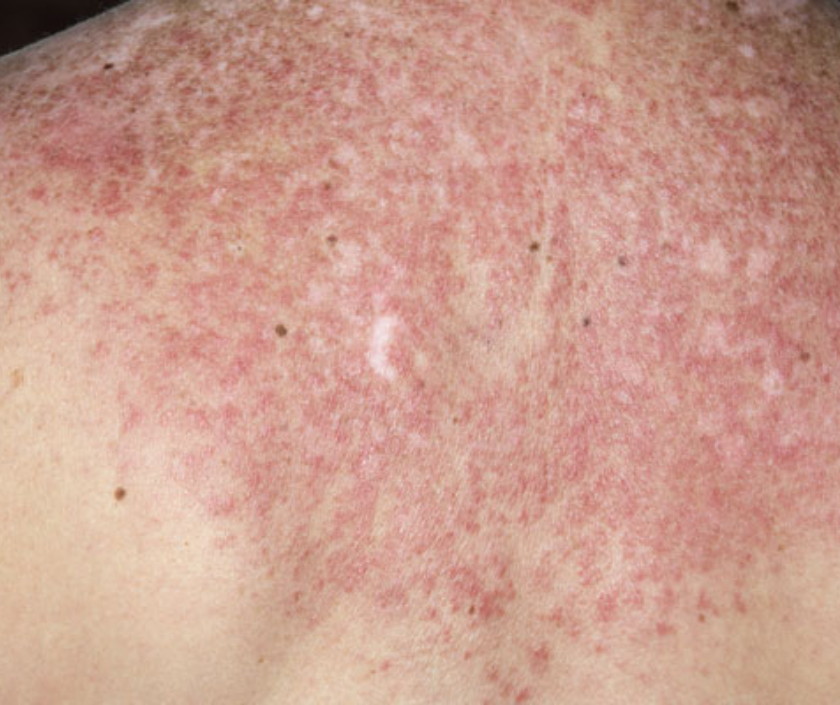
Lupus (Cutaneous) is an autoimmune skin condition that causes inflammation, redness, and scaly rashes on the skin. It mainly affects sun-exposed areas such as the face, scalp, ears, and neck. In some cases, it can lead to pigmentation changes or permanent scarring if not treated early.
At Elegance Clinic, Dr. Ashutosh Shah provides advanced evaluation and personalized treatment for Lupus (Cutaneous). Our focus is to control inflammation, reduce flare-ups, prevent scarring, and protect long-term skin health.
What Is Lupus (Cutaneous)?
Lupus (Cutaneous) is a form of lupus that primarily affects the skin. It occurs when the immune system mistakenly attacks healthy skin cells, leading to rashes, lesions, and sensitivity to sunlight. It may occur alone or alongside systemic lupus.
Common types include:
- Discoid Lupus (Chronic Cutaneous Lupus)
- Subacute Cutaneous Lupus
- Acute Cutaneous Lupus
- Lupus Profundus (Rare)
- Chilblain Lupus (Rare)
Early diagnosis of Lupus (Cutaneous) helps prevent long-term skin damage.
Causes of Lupus (Cutaneous)
The exact cause is not fully known, but Lupus (Cutaneous) may be triggered by:
- Autoimmune dysfunction
- Genetic predisposition
- Sun (UV) exposure
- Certain medications
- Hormonal changes
- Smoking
- Stress
- Viral infections (in some cases)
Symptoms of Lupus (Cutaneous)
Common symptoms of Lupus (Cutaneous) include:
- Red, scaly skin patches
- Disc-shaped lesions
- Butterfly-shaped facial rash
- Sensitivity to sunlight
- Itching or burning sensation
- Skin discoloration after healing
- Hair loss (if scalp is affected)
- Scarring in long-standing cases
How Lupus (Cutaneous) Is Treated
At Elegance Clinic, Dr. Ashutosh Shah provides individualized treatment for Lupus (Cutaneous) based on severity and skin involvement.
Treatment options include:
- Topical medications
- Oral medications when required
- Sun protection guidance
- Anti-inflammatory treatment
- Trigger management
- Skin care recommendations
- Long-term follow-up
- Monitoring for systemic lupus if needed
Benefits of Early Treatment
Early management of Lupus (Cutaneous) can help:
- Control skin inflammation
- Reduce flare-ups
- Prevent scarring
- Improve skin appearance
- Reduce photosensitivity
- Protect long-term skin health
Why Choose Elegance Clinic?
Patients trust Dr. Ashutosh Shah and Elegance Clinic for Lupus (Cutaneous) treatment because we offer:
- Expert dermatologist-led care
- Accurate autoimmune skin diagnosis
- Personalized treatment plans
- Evidence-based management
- Continuous follow-up care
- Patient education and guidance
Book Your Consultation in Surat
If you notice persistent rashes, scaly patches, or sun-sensitive skin changes, consult Dr. Ashutosh Shah at Elegance Clinic. Early treatment of Lupus (Cutaneous) can help control symptoms and prevent long-term skin damage.
When to See a Doctor
You should see a dermatologist if you experience:
- Persistent or recurring skin rashes
- Worsening rashes after sun exposure
- Scaly or disc-shaped lesions
- Hair loss with scalp lesions
- Skin changes that do not heal
- Suspicion of autoimmune skin disease
Early diagnosis of Lupus (Cutaneous) improves treatment outcomes and reduces complications.
Frequently Asked Questions
Having doubts and questions? These are few questions our customers normally ask us!
What is Lupus (Cutaneous)?
Lupus (Cutaneous) is an autoimmune skin condition that causes inflammation, red rashes, and scaly patches on the skin. It mainly affects sun-exposed areas such as the face, scalp, and neck and may sometimes lead to scarring or pigmentation changes.
What causes Lupus (Cutaneous)?
The exact cause is unknown, but it is linked to immune system dysfunction. Common triggers include sunlight (UV exposure), genetic factors, certain medications, smoking, stress, and hormonal changes. These triggers can worsen or activate flare-ups.
Is Lupus (Cutaneous) contagious?
No. Lupus (Cutaneous) is not contagious. It is an autoimmune condition, meaning it develops from the body’s immune system attacking its own skin cells and cannot spread through contact.
How is Lupus (Cutaneous) treated?
Treatment depends on severity and type. It may include topical creams, oral medications, sun protection, trigger avoidance, and long-term follow-up. At Elegance Clinic, Dr. Ashutosh Shah provides personalized treatment plans to control symptoms and prevent flare-ups.
Can Lupus (Cutaneous) be cured permanently?
There is no permanent cure, but the condition can be effectively controlled with proper treatment and lifestyle management. Early diagnosis and regular follow-up help reduce flare-ups, protect the skin, and prevent scarring.
Hear from our patients
EXCELLENTTrustindex verifies that the original source of the review is Google. Dr. Ravi sir is best doctor and kind person . all the staff so good and humble. thanks to Nikita for good service .Posted on GoogleTrustindex verifies that the original source of the review is Google. I had been dealing with stubborn skin pigmentation for quite some time and was not seeing results from previous treatments. It was really affecting my confidence. After visiting Elegance Clinic and consulting Dr. Ravi Khambhati, I finally found the right solution. His treatment worked very well for me, and I can see a clear improvement in my skin tone and texture. What I appreciated most was how clearly he explained the cause of my pigmentation and guided me on proper skincare to avoid it in the future. His approach is honest, professional, and very patient-friendly. I am truly satisfied with my results and grateful to Dr. Ravi Khambhati for his excellent care. Highly recommended for anyone facing similar skin issues.Posted on GoogleTrustindex verifies that the original source of the review is Google. The doctor are very excellent and experienced.... The staff here is very supportive..... The output of operations here are very outstanding and remarkablePosted on GoogleTrustindex verifies that the original source of the review is Google. I have been to elegance now 4 times , kanchan has been the specialist who did my treatment not only is she very good but she makes you feel comfortable and makes sure that treatment goes well , must visit and do ask for herPosted on GoogleTrustindex verifies that the original source of the review is Google. Very good treatment sirPosted on GoogleTrustindex verifies that the original source of the review is Google. Thank you for such wonderful care and treatment. I am very satisfied with the results and appreciate the doctor’s guidance and support.Posted on GoogleTrustindex verifies that the original source of the review is Google. “Dr. Ashutosh was incredibly calm and reassuring—his gentle humming actually helped ease my anxiety. He handled everything with great skill and professionalism, and the entire medical team was equally supportive throughout the process.”Posted on GoogleTrustindex verifies that the original source of the review is Google. Had a great experience at Elegance Clinic, Adajan. Dr. Ravi and therapist Kanchan were extremely helpful, professional, and made me feel very comfortable throughout the process. Highly recommend!Posted on GoogleTrustindex verifies that the original source of the review is Google. I recently underwent a hair transplant procedure at Elegance Clinic, and my experience has been highly satisfactory. It has been 10 days since the procedure, and my first post-transplant hair wash was conducted very professionally. I sincerely appreciate the expertise and guidance of Dr. Chetan, Bhargav bhai, and Dr. Ashutosh Shah. The entire team is courteous, attentive, and well-trained. The clinic maintains excellent cleanliness standards, and the OT hygiene is particularly impressive, ensuring a safe and comfortable environment. I would confidently recommend Elegance Clinic to anyone considering a hair transplant.
Contact Us
Ready to discuss? Fill out our contact form for a confidential consultation.

