

✓ Medically reviewed by Dr. Ashutosh Shah, Plastic, Reconstructive & Cosmetic Surgeon (M.Ch., DNB)
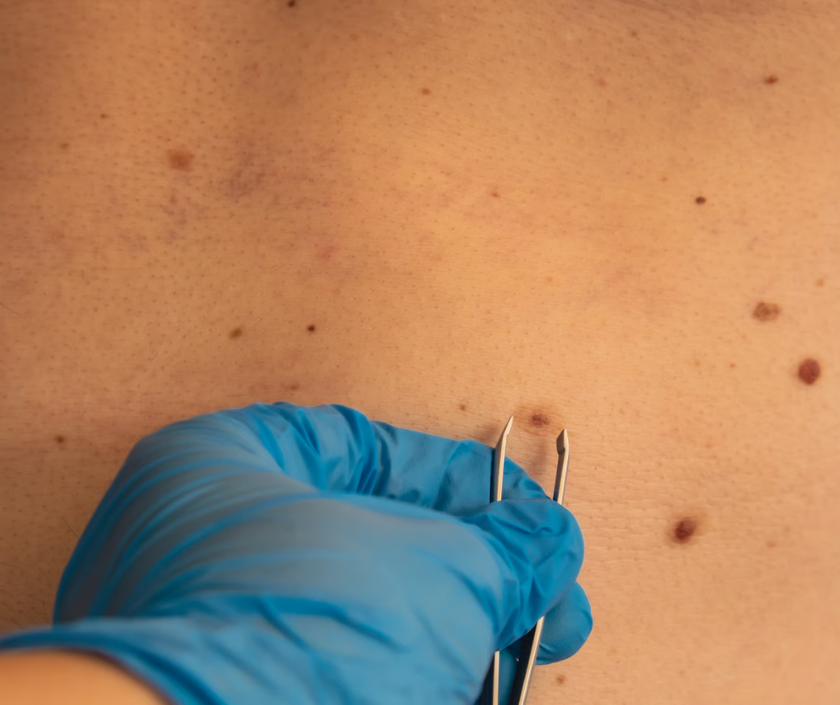
At Elegance Clinic, Skin Tags are treated as common, harmless skin growths that often develop in areas where skin rubs against skin or clothing. Although they are non-cancerous, skin tags may become irritated, uncomfortable, or cosmetically bothersome. Professional removal ensures safe treatment with minimal discomfort and excellent cosmetic results.
Treatment at Elegance Clinic focuses on safely removing skin tags, minimizing discomfort, preventing unnecessary skin damage, and improving the overall appearance of the skin.
What Are Skin Tags?
Skin tags, medically known as acrochordons, are small, soft, flesh-colored growths that hang from the skin by a thin stalk. They commonly appear on the neck, underarms, eyelids, groin, beneath the breasts, and other areas where friction occurs.
At Dr. Ashutosh Shah’s practice, every patient receives a thorough skin examination to confirm the diagnosis and recommend the most suitable removal method.
What Causes Skin Tags?
The exact cause is not always known, but several factors increase the likelihood of developing them.
Common causes and risk factors include:
- Skin friction
- Aging
- Genetics
- Overweight or obesity
- Pregnancy
- Hormonal changes
- Diabetes or insulin resistance
- Tight clothing causes repeated rubbing
- Multiple skin folds
Symptoms of Skin Tags
Skin tags are generally painless unless they become irritated.
Common symptoms include:
- Small, soft skin-colored growths
- Pedunculated (hanging) lesions
- Smooth or slightly wrinkled surface
- Growths on the neck, underarms, eyelids, groin, or chest
- Irritation from shaving or clothing
- Mild discomfort if twisted or injured
- Cosmetic concerns
Common Areas Affected
Skin tags frequently develop on:
- Neck
- Underarms
- Eyelids
- Groin
- Under the breasts
- Chest
- Upper back
How Skin Tags Are Treated
At Elegance Clinic, treatment is selected based on the size, location, and number of skin tags.
Treatment options may include:
- Radiofrequency (RF) removal
- Electrocautery
- Cryotherapy (freezing)
- Minor surgical excision
- Sterile snip removal
- Local anesthesia when required
- Post-procedure skincare guidance
The goal is to remove the growth safely while minimizing discomfort and reducing the risk of scarring.
Benefits of Professional Skin Tag Removal
- Safe and effective removal
- Minimal discomfort
- Quick outpatient procedure
- Improved cosmetic appearance
- Reduced irritation from clothing or jewelry
- Low risk of infection
- Minimal scarring
- Faster healing
Why Choose Elegance Clinic?
Patients choose Elegance Clinic because of:
- Personalized treatment plans
- Accurate diagnosis
- Advanced removal techniques
- Safe and hygienic procedures
- Experienced care by Dr. Ashutosh Shah
- Minimal downtime
- Patient-focused care
- Comprehensive follow-up support
Book Your Consultation in Surat
If you have unwanted skin growths that cause irritation or affect your appearance, consult Dr. Ashutosh Shah at Elegance Clinic in Adajan, Surat.
Professional evaluation ensures accurate diagnosis and safe removal.
When to See a Doctor
You should seek medical advice if you notice:
- A growth increasing in size
- Bleeding or repeated irritation
- Pain or tenderness
- Changes in color or shape
- Multiple new growths appearing suddenly
- Difficulty distinguishing it from another skin lesion
- Cosmetic concerns
Frequently Asked Questions
Having doubts and questions? These are few questions our customers normally ask us!
What are skin tags?
They are small, soft, non-cancerous skin growths that commonly develop in areas where skin experiences repeated friction.
What causes them to develop?
They are often associated with skin friction, aging, genetics, hormonal changes, obesity, pregnancy, and diabetes.
Is removal painful?
Most removal procedures involve minimal discomfort. Local anesthesia may be used depending on the size and location of the growth.
Can they grow back after removal?
A removed growth usually does not return, but new ones may develop in other areas if the underlying risk factors remain.
When should I consult a dermatologist?
You should seek medical evaluation if a growth changes in size, color, or shape, becomes painful or bleeds, or if you want safe cosmetic removal.
