

✓ Medically reviewed by Dr. Ashutosh Shah, Plastic, Reconstructive & Cosmetic Surgeon (M.Ch., DNB)
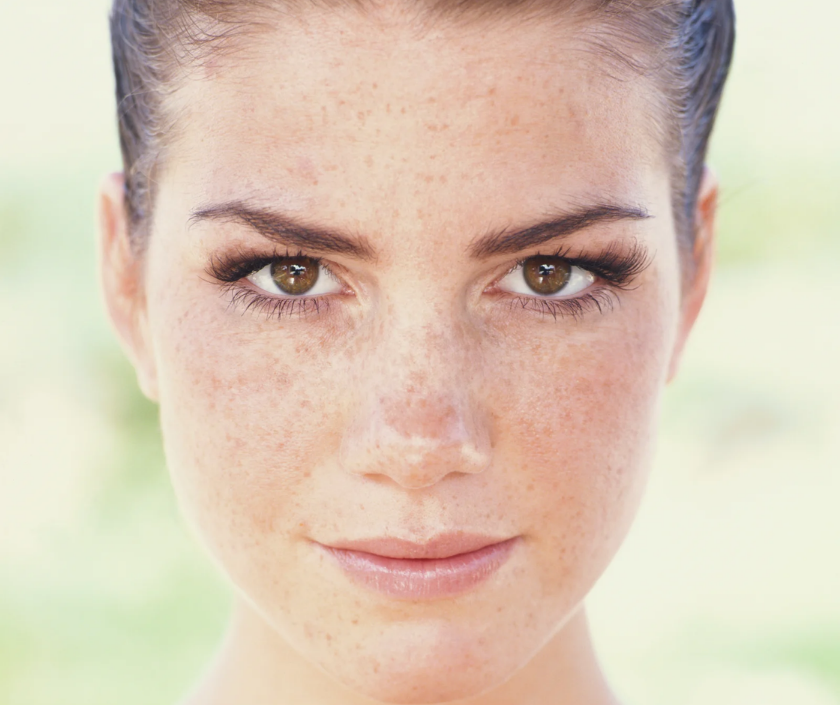
Freckles & Lentigines are flat brown or tan spots that appear on sun-exposed skin such as the face, cheeks, shoulders, and hands. Most are completely harmless, but because they look similar to other pigmented lesions, correct diagnosis matters before any treatment is considered.
At Elegance Clinic, Dr. Ashutosh Shah first confirms what a pigmented spot actually is, then advises whether treatment is needed at all. Our focus is accurate diagnosis, safe cosmetic correction when you want it, and protecting long-term skin health.
What Are Freckles & Lentigines?
Freckles & Lentigines are both forms of increased skin pigmentation, but they behave differently. Freckles darken with sun and often fade in winter, while lentigines stay put and do not fade. They occur when pigment-producing cells respond to sunlight and, over time, sun damage.
Common types include:
- Freckles (Ephelides)
- Simple Lentigines
- Solar Lentigines (Sun Spots / Age Spots)
- Lentigines from long-term sun damage
Correct identification of Freckles & Lentigines ensures the right treatment and rules out anything more serious.
Causes of Freckles & Lentigines
The main driver is sunlight, but Freckles & Lentigines are influenced by:
- Sun (UV) exposure
- Genetic predisposition
- Fair, freckle-prone skin type
- Cumulative sun damage over time
- Ageing skin (for solar lentigines)
These are not autoimmune, not infectious, and not contagious.
What Freckles & Lentigines Look Like
Common features of Freckles & Lentigines include:
- Small, flat tan or light-brown spots (freckles)
- Darker, sharply defined brown spots (lentigines)
- Freckles that fade with reduced sun exposure
- Lentigines that persist year-round
- Clusters on the face, cheeks, shoulders, or hands
- No pain, itching, or discomfort
How Freckles & Lentigines Are Treated
At Elegance Clinic, Dr. Ashutosh Shah confirms the diagnosis first, then discusses whether treatment is even necessary. When treatment is chosen, it is elective and cosmetic.
Treatment options include:
- Daily broad-spectrum sun protection
- Prescription topical agents (retinoids, supervised lightening creams)
- Chemical peels
- Laser or light-based treatment (Q-switched laser, IPL) for solar lentigines
- Cryotherapy for selected spots
- Realistic guidance, as freckles can return with sun exposure
Benefits of Professional Assessment
Having Freckles & Lentigines properly assessed can help:
- Confirm the spots are harmless
- Rule out lesions that need biopsy
- Achieve a more even skin tone (when treated)
- Prevent new spots through sun protection
- Avoid unnecessary or unsafe treatment
- Protect long-term skin health
Why Choose Elegance Clinic?
Patients trust Dr. Ashutosh Shah and Elegance Clinic for Freckles & Lentigines because we offer:
- Diagnosis before any treatment
- Expert dermatologist-led care
- Honest advice on when treatment isn’t needed
- Personalized, evidence-based treatment plans
- Safe, appropriate pigment correction
- Continuous follow-up care
Book Your Consultation in Surat
If you’d like brown spots assessed – for cosmetic reasons or because one has changed – consult Dr. Ashutosh Shah at Elegance Clinic. Correct diagnosis of Freckles & Lentigines ensures safe treatment and peace of mind.
When to See a Doctor
Most freckles and lentigines never need treatment. But see a dermatologist promptly if a spot:
- Is changing in size, shape, or colour
- Has irregular or blurred borders, or more than one colour
- Is larger than a pencil eraser or looks different from your other spots
- Bleeds, itches, crusts, or won’t heal
- Is a new, dark, or growing patch on sun-exposed skin in an older adult
A slow-growing pigmented patch in sun-damaged skin can occasionally be an early skin cancer, which is highly treatable when caught early – this is why diagnosis always comes before cosmetic treatment.
Frequently Asked Questions
Having doubts and questions? These are few questions our customers normally ask us!
What is the difference between freckles and lentigines?
Freckles fade with less sun; lentigines don’t. Freckles (ephelides) are light tan spots that darken in summer and lighten in winter, and are largely genetic. Lentigines are darker, sharply defined spots that stay year-round, linked to sun damage and age.
Are freckles and lentigines dangerous?
No – almost all are harmless and cosmetic only. They aren’t autoimmune, infectious, or contagious. The exception is a spot that changes over time, which should be checked to rule out skin cancer.
How can I tell a harmless spot from skin cancer?
Get it checked if it changes in size, shape, or colour, has irregular borders, shows multiple colours, or won’t heal. Harmless spots stay stable and look like your others. Rarely, a changing patch on sun-damaged skin is an early melanoma – highly treatable when caught early.
Can freckles and lentigines be removed permanently?
Lentigines often can; freckles usually can’t. Lasers, peels, and topicals reduce lentigines long-term, but freckles tend to return with sun exposure unless you use sunscreen consistently.
What is the best treatment for sun spots and age spots?
Q-switched laser and IPL are the most effective for solar lentigines, with topicals and chemical peels as alternatives. The right one depends on your skin type and number of spots – diagnosis comes first.
Where can I get freckles and lentigines treatment in Surat?
Dr. Ashutosh Shah treats freckles and lentigines at Elegance Clinic, Surat. Each spot is diagnosed first, then treated only if you want it – most patients simply want reassurance they’re harmless.

