

|
Getting your Trinity Audio player ready...
|
✓ Medically reviewed by Dr. Ashutosh Shah, Plastic, Reconstructive & Cosmetic Surgeon (M.Ch., DNB)
After liposuction, walking usually starts early, but returning to Garba should be gradual. Gentle movement may become possible during recovery, while energetic Garba or Dandiya often needs about four to six weeks or longer and your surgeon’s clearance. After a tummy tuck, strenuous dancing generally needs at least six weeks because the abdominal tissues and incision require more protection. If you are wondering “can I dance after liposuction?”, the answer depends on much more than how comfortable you feel. The number and size of areas treated, swelling, incision healing, whether liposuction was combined with another procedure, and your surgeon’s examination all affect when you can safely increase activity.
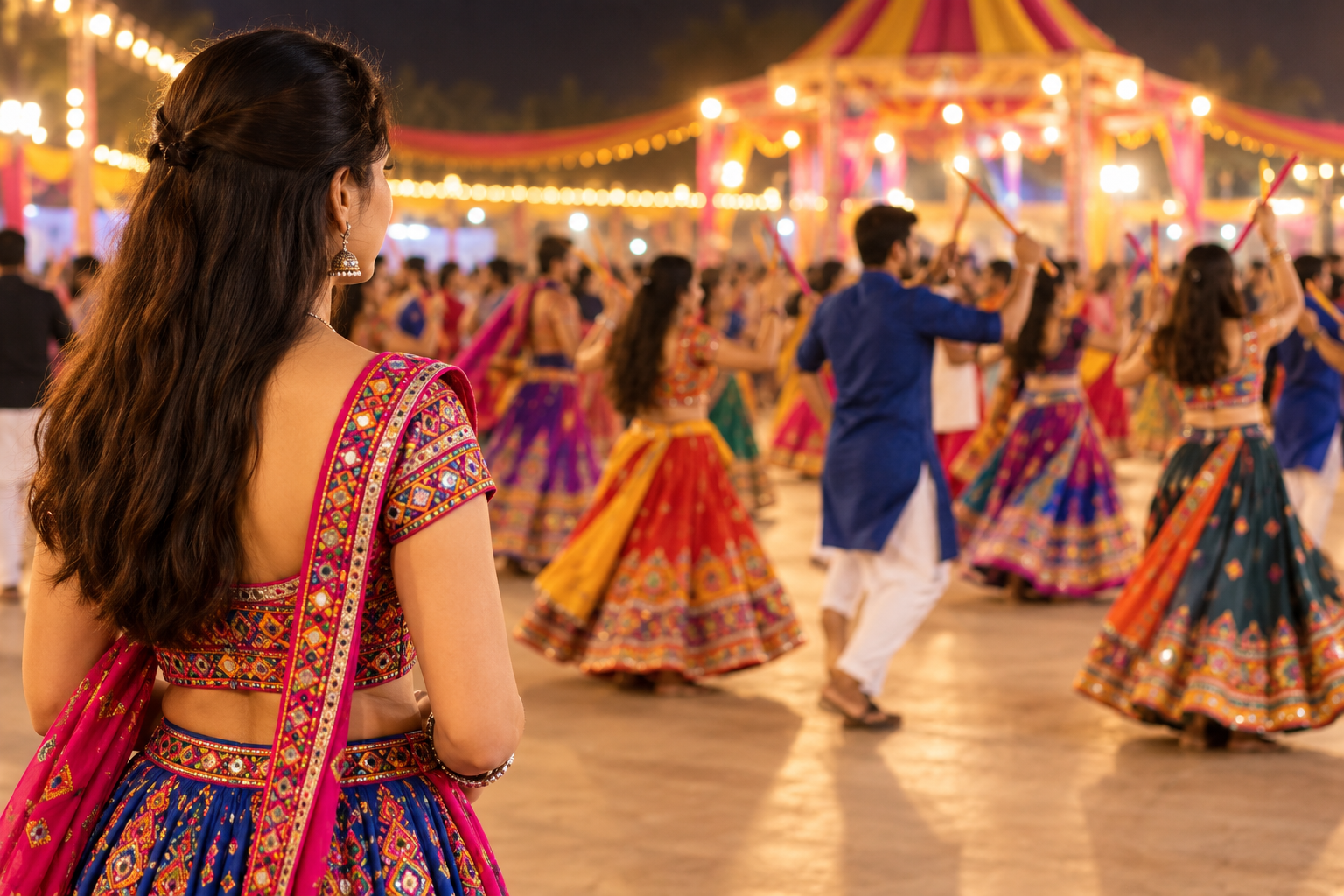
Patients can also review this guide to recovery times after common cosmetic procedures to understand how activity restrictions can differ between operations. This becomes particularly important during Navratri. Garba is not simply walking around a circle. Repeated bending, fast turns, clapping movements, Dandiya strokes, prolonged standing, and jumping can turn an apparently gentle evening into strenuous exercise.
Why Is Garba Harder on a Healing Body Than a Gym Session?
Garba combines several movements at once. You may repeatedly twist your torso, bend forward to clap, rotate quickly, raise your arms, change direction, and remain on your feet for hours.
In a gym, recovery exercise can usually be controlled. You can reduce resistance, stop after a few minutes, and avoid movements that strain the operated area. During Garba, music and the surrounding crowd can make it easy to continue longer or move more vigorously than planned.
After liposuction surgery, the treated tissues can remain swollen even when the small incisions appear healed. Too much activity too soon may temporarily aggravate swelling and discomfort.
A tummy tuck requires even greater caution. The procedure removes excess abdominal skin and fat and may include tightening or repairing weakened abdominal tissues. This means vigorous twisting, bending, and jumping should not be resumed simply because everyday walking has become comfortable.
What Can You Safely Do in Weeks One, Two, Four and Six After Liposuction?
There is no single recovery calendar that applies to every patient. The following table provides general guidance rather than individual medical clearance.
| Procedure | Week 1 | Week 2 | Week 4 | Week 6 | Garba-specific caution |
|---|---|---|---|---|---|
| Single-area liposuction | Short, easy walks; no Garba | Gradually increase normal walking if comfortable | Light exercise may be possible after clearance | Gradual return toward demanding activity if cleared | Start with short sessions; initially avoid jumping and aggressive spins |
| Multi-area liposuction | Gentle walking only | Walking and routine activity as advised | Swelling may still limit activity | Gradual exercise progression after review | Long periods on your feet may worsen swelling |
| High-definition liposuction | Protect treated tissues | Light daily activity as advised | Progress depends on healing | Increase activity after clearance | Avoid forceful twisting until cleared |
| Mini tummy tuck | Gentle walking; protect abdomen | Increase routine activity cautiously | Avoid strenuous abdominal activity unless cleared | Progressive exercise may begin after review | Bending, claps, fast spins, and jumps load the abdomen |
| Full tummy tuck | Walking encouraged; no dancing | Routine movement gradually increases | Strenuous exercise generally remains restricted | Exercise may progressively resume if healing is satisfactory | Obtain explicit clearance before full Garba or Dandiya |
Week 1
Think walking, not dancing.
Brief walking is commonly encouraged after surgery because movement supports circulation. However, being able to walk around your home does not mean your body is ready for dancing, prolonged standing, or repeated bending.
If Navratri falls during this week, recovery should take priority.
Week 2
You may feel substantially better after liposuction, but feeling better is not the same as being fully healed.
Normal walking and gentle everyday movement may gradually increase according to your surgeon’s instructions. Full Garba, energetic Dandiya, and prolonged dancing are different levels of activity and should not be assumed safe simply because pain has reduced.
Week 4
Around four weeks after uncomplicated liposuction, some patients may be able to progress to light exercise after medical clearance.
A short period of gentle movement, however, is very different from two or three hours of Garba. Do not interpret permission for light exercise as automatic permission for a complete Navratri night.
Week 6 and Beyond
Around six weeks is an important recovery milestone for many patients, but it is not a universal deadline.
Recovery depends on how much liposuction was performed, the areas treated, whether other procedures were combined with it, and whether swelling or wound-healing problems remain.
Your surgeon should assess healing before you return to vigorous Garba, particularly after extensive liposuction or abdominal surgery.
Which Garba and Dandiya Steps Strain a Tummy Tuck Repair?
A tummy tuck is different from isolated liposuction because surgery involves the abdominal skin and deeper tissues, and some patients also undergo muscle repair.
During early recovery, avoid assuming that a movement is safe simply because it does not immediately hurt.
Garba movements that deserve particular caution include:
- Deep forward bending for claps
- Repeated twisting through the waist
- Rapid spins
- Jumping
- Sudden direction changes
- Vigorous Dandiya strokes
- Prolonged dancing without rest
For someone consulting a liposuction surgeon in Adajan, Surat, the useful question before Navratri is therefore not simply, “Has it been four weeks?” It is, “Have my swelling, wounds, and operated tissues healed enough for the exact movements I plan to perform?”
A postoperative examination can answer that more reliably than the calendar alone.
Should the Compression Garment Stay On Under a Chaniya Choli or Kurta?
Do not stop wearing a prescribed compression garment merely because you are attending Navratri.
Compression garments are commonly recommended after liposuction to support treated areas and help manage postoperative swelling. How long you need to wear one depends on your surgeon’s protocol and your recovery.
If you have been instructed to continue compression, it may need to remain beneath your festive clothing unless your surgeon tells you otherwise.
Choose clothing that does not roll, fold, or create additional pressure over healing areas. The medical compression garment should fit as instructed rather than being made excessively tight.
Sweating also makes garment hygiene important. If your garment becomes heavily damp, follow the washing or replacement instructions given by your surgical team rather than leaving it off for an extended period without medical advice.
Which Warning Signs Mean You Should Stop Dancing and Call the Clinic?
Stop dancing if you notice a clear increase in pain, unusual pulling around an incision, new drainage, bleeding, rapidly increasing swelling, or another unexpected change around the surgical area.
Do not try to dance through symptoms because you have already arrived at a Navratri event.
Urgent medical assessment is especially important if you develop severe or rapidly worsening symptoms, sudden shortness of breath, chest pain, or significant one-sided leg swelling.
Your own postoperative instructions should always take priority because recommendations vary according to the operation and individual medical history.
If you are unsure whether your recovery has progressed enough for Garba, book a post-operative review before returning to strenuous activity.
How to Plan Navratri During Recovery
If your surgeon allows you to attend but has not yet cleared unrestricted exercise, treat the evening as part of your recovery rather than your normal Garba routine.
Arrive for a shorter period and take regular sitting breaks. If dancing has been permitted, begin gently rather than immediately joining a fast Garba circle.
Initially avoid jumps, deep bends, and aggressive rotations. Stay hydrated and do not use pain medication simply to push through activity your body is not ready for.
Pay attention to how the operated area feels later that evening and the following morning. A noticeable increase in swelling or discomfort can mean you progressed too quickly.
Most importantly, obtain clearance from your operating surgeon before returning to strenuous dancing.
Frequently Asked Questions
Can I attend Navratri as a spectator one week after liposuction?
Possibly, if recovery is uncomplicated and your surgeon permits it. During the first week, activity usually remains limited. If you attend, avoid dancing and prolonged standing, keep the visit short, and continue following your prescribed compression-garment, medication, and incision-care instructions.
Is it safe to bend forward for Garba claps after a tummy tuck?
Not during early recovery unless your surgeon specifically clears the movement. A tummy tuck leaves abdominal tissues healing and may include muscle repair. Repeated bending, twisting, and vigorous dancing should wait until recovery has progressed sufficiently and your surgeon confirms that increased activity is appropriate.
Will sweating inside the garment cause infection?
Sweating itself does not automatically cause an infection, but a damp or dirty garment should not be ignored. Keep the compression garment and healing skin clean according to postoperative instructions. Ask your surgical team how to handle garment changes if you expect significant sweating during Navratri.
Can I play Dandiya three weeks after liposuction?
Three weeks may still be too early for vigorous Dandiya because spinning, repeated arm movements, and prolonged standing can make it strenuous exercise. Ask your liposuction surgeon in Adajan, Surat to check swelling, incisions, and treated areas before deciding whether any dancing is appropriate.
Does dancing make liposuction swelling worse?
It can temporarily increase postoperative swelling, particularly when dancing is strenuous or continues for several hours. This is one reason activity should increase gradually after liposuction. If swelling or discomfort clearly increases after exercise, reduce activity and discuss persistent or concerning changes with your surgeon.
What if Navratri falls in my second week of recovery?
Treat Navratri primarily as a social event unless your surgeon gives different instructions. You may already feel much better during the second week after liposuction, but energetic Garba involves far more physical stress than routine walking. Watching the event is different from performing repeated spins, bends, and Dandiya movements.
The Bottom Line: Can I Dance After Liposuction?
If you are asking “can I dance after liposuction?”, separate gentle daily movement from full Garba. Walking generally starts early, while exercise returns gradually. Strenuous dancing may require approximately four to six weeks or longer depending on the extent of surgery, healing, and your surgeon’s assessment.
After a tummy tuck, vigorous Garba deserves additional caution because bending, spinning, and jumping place greater demands on the healing abdomen.
At Elegance Clinic, Dr. Ashutosh Shah, MS, MCh (Plastic Surgery), D.N.B., with 22+ years of experience, can assess postoperative wound healing, swelling and the extent of surgery before advising when an individual patient can progress from walking to exercise and eventually full Garba.
Do not use the festival date alone to decide when you are ready. Your postoperative examination and clearance from your operating surgeon should guide your return to strenuous dancing.

