

|
Getting your Trinity Audio player ready...
|
✓ Medically reviewed by Dr. Ashutosh Shah, Plastic, Reconstructive & Cosmetic Surgeon (M.Ch., DNB)
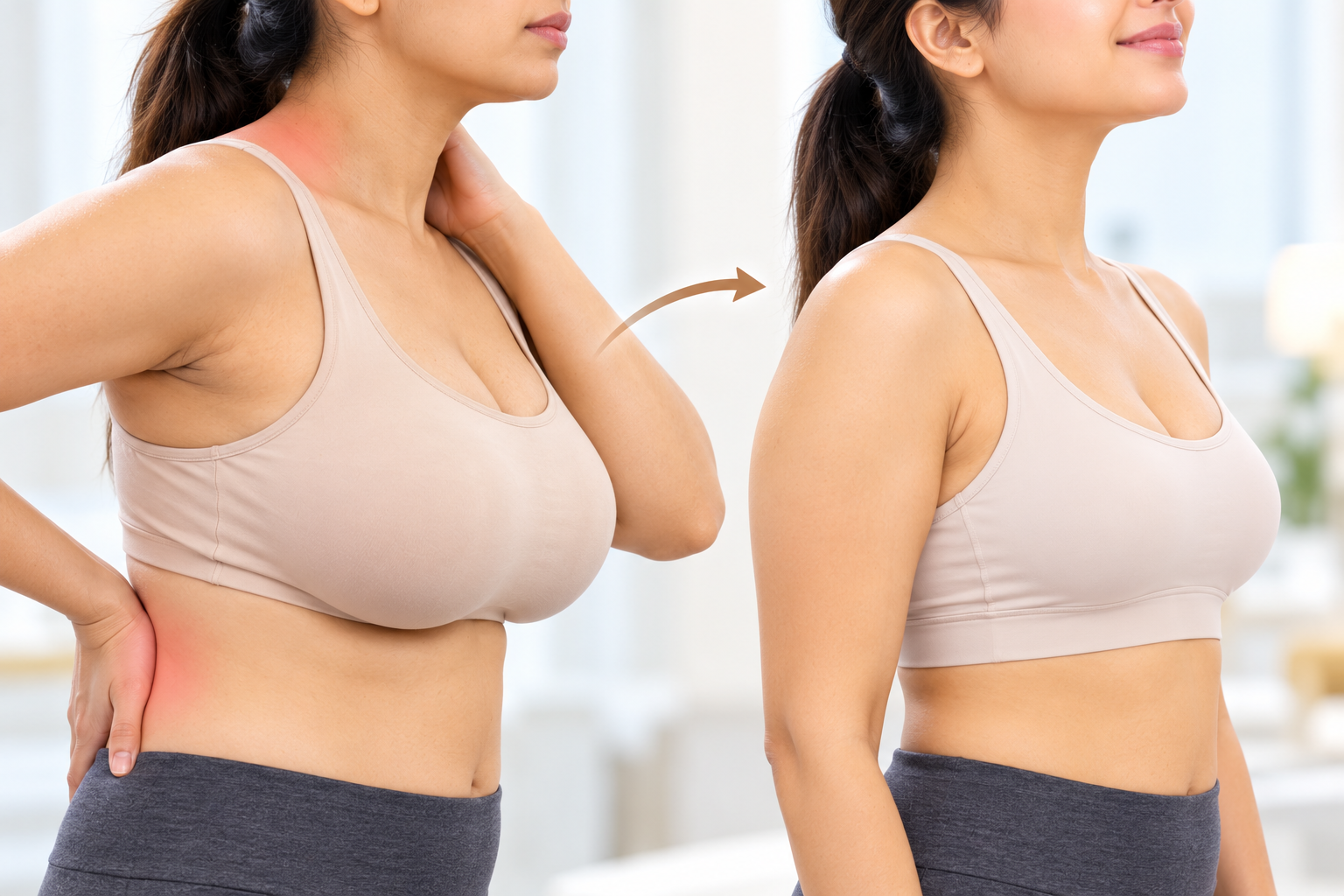
Breast reduction surgery may benefit women who experience persistent neck, shoulder or back pain, skin irritation, difficulty exercising, or discomfort due to large, heavy breasts. A suitable breast reduction candidate is someone whose breast size affects physical comfort, daily activities or quality of life and who understands the benefits, limitations and recovery involved in surgery.
Breast reduction, medically called reduction mammoplasty, removes excess breast tissue, fat and skin to create smaller, lighter breasts that are more proportionate to the body.
However, not everyone with large breasts needs surgery. The decision depends on symptoms, overall health, personal goals and a detailed evaluation by a qualified plastic surgeon.
Who Is a Good Breast Reduction Candidate?
A good breast reduction candidate may experience ongoing physical discomfort or functional limitations caused by breast size.
Some women seek breast reduction because their breasts interfere with everyday activities, while others want improved body proportions or greater comfort in clothing.
You may benefit from breast reduction if you:
-
Experience persistent neck, shoulder or upper back pain.
-
Have deep shoulder grooves caused by bra straps.
-
Develop frequent rashes or irritation beneath the breasts.
-
Find running, exercising or other physical activities uncomfortable.
-
Experience difficulty finding supportive bras or properly fitting clothes.
-
Feel that breast weight affects posture or daily comfort.
-
Have realistic expectations about surgical results and scarring.
-
Are in generally good health and able to undergo surgery.
Breast size alone does not determine eligibility. A surgeon considers your symptoms, breast anatomy, medical history and expectations before recommending treatment.
For additional information about the procedure, explore Breast Reduction Surgery at Elegance Clinic.
Checklist: 8 Signs You May Benefit from Breast Reduction
The following checklist can help you identify common signs you need breast reduction assessment.
1. Persistent Neck and Shoulder Pain
Large breasts may place additional strain on the neck, shoulders and upper back.
Women with heavy breasts sometimes experience:
-
Chronic neck stiffness.
-
Shoulder discomfort after prolonged standing.
-
Upper back muscle fatigue.
-
Pain that worsens during physical activity.
Although these symptoms can have several causes, breast weight may contribute to persistent discomfort.
Breast reduction may improve symptoms in appropriately selected patients.
2. Deep Bra Strap Grooves
Heavy breasts may require strong bra support, which can create pressure on the shoulders.
Common signs include visible shoulder indentations, tenderness and difficulty wearing supportive bras comfortably.
If bra strap grooves remain painful despite using properly fitted bras, a breast reduction consultation may be helpful.
3. Frequent Skin Rashes Beneath the Breasts
Skin folds beneath large breasts may trap moisture and increase friction.
This can lead to:
-
Recurrent redness.
-
Itching or burning.
-
Skin irritation.
-
Intertrigo, an inflammatory rash affecting skin folds.
-
Occasional fungal or bacterial infections.
Breast reduction can reduce the depth of skin folds and may help decrease recurring irritation.
Active infections should be evaluated and treated before surgery.
4. Difficulty Exercising
Physical activity can become uncomfortable when breasts are large and heavy.
Some women avoid running, jumping, aerobics or sports because of excessive breast movement and discomfort.
A supportive sports bra may help, but persistent symptoms can justify surgical evaluation.
Breast reduction may improve exercise comfort, although individual results vary.
5. Difficulty Finding Comfortable Clothing
Large breasts can make it challenging to find bras, dresses and fitted clothing.
Some women require a larger clothing size to accommodate their chest, even when the rest of their body is smaller.
Breast reduction may help achieve more balanced proportions and improve clothing comfort.
6. Discomfort During Sleep
Women with heavy breasts may find certain sleeping positions uncomfortable.
Some experience pressure while sleeping on their stomach or difficulty finding a comfortable side-sleeping position.
Although sleep discomfort alone does not establish surgical eligibility, it can be considered alongside other symptoms.
7. Physical Discomfort Affecting Confidence
Large breasts may cause unwanted attention, self-consciousness or difficulty participating in social activities.
For some women, these concerns affect clothing choices, exercise participation and confidence.
Breast reduction can be considered when physical or personal concerns significantly affect quality of life.
The decision should reflect the patient’s own goals rather than pressure from others.
8. Symptoms Continue Despite Non-Surgical Measures
Some women first try supportive bras, physiotherapy, posture exercises or weight management where appropriate.
These measures may improve comfort, but they cannot reliably reduce the amount of glandular breast tissue.
If symptoms continue despite appropriate conservative care, breast reduction surgery may be worth discussing.
Heavy Breasts Problems: How They Affect Daily Life
Large, heavy breasts can create several physical and practical challenges.
| Common problem | Possible impact |
|---|---|
| Neck and shoulder pain | Muscle discomfort and fatigue |
| Upper back pain | Difficulty with prolonged activities |
| Bra strap grooves | Shoulder tenderness and pressure |
| Under-breast rashes | Recurrent skin irritation |
| Exercise discomfort | Reduced participation in sports |
| Clothing difficulties | Problems finding comfortable bras and outfits |
| Sleep discomfort | Difficulty with certain sleeping positions |
These symptoms are not always caused by breast size. A medical evaluation can help identify other contributing conditions.
Who May Need to Delay Breast Reduction Surgery?
Not everyone is ready for breast reduction immediately.
A surgeon may recommend postponing surgery when certain health or lifestyle factors could affect healing or results.
Pregnancy or Breastfeeding Plans
Pregnancy can change breast size and shape after surgery.
Breast reduction may also affect the ability to breastfeed because some milk ducts and glandular tissue may be removed or disrupted.
Women planning pregnancy should discuss timing and future breastfeeding goals with their surgeon.
Significant Weight Changes
Major weight fluctuations can change breast volume and shape.
Patients planning substantial weight loss may benefit from achieving a reasonably stable weight before surgery.
Smoking or Nicotine Use
Smoking and nicotine exposure can impair blood circulation and increase the risk of wound-healing complications.
Patients may need to stop nicotine use before and after surgery according to their surgeon’s instructions.
Uncontrolled Medical Conditions
Certain medical conditions, including poorly controlled diabetes or significant cardiovascular disease, may increase surgical risks.
These conditions should be evaluated and optimised before elective surgery.
Unrealistic Expectations
Breast reduction can improve breast size, weight and proportions, but it cannot guarantee perfect symmetry, complete pain relief or scar-free results.
Understanding the limitations is an important part of surgical planning.
What Happens During a Breast Reduction Consultation?
A consultation helps determine whether breast reduction is appropriate for your symptoms, anatomy and goals.
The surgeon generally evaluates:
-
Medical history: Existing conditions, medications, previous breast procedures and relevant family history.
-
Physical symptoms: Neck pain, shoulder discomfort, rashes and activity limitations.
-
Breast measurements: Breast size, shape, skin quality, nipple position and asymmetry.
-
Surgical goals: Desired breast size and realistic expectations.
-
Health assessment: Factors that may affect anaesthesia, healing and recovery.
-
Preoperative testing: Breast imaging or other investigations when appropriate for age, symptoms and risk factors.
A consultation should also cover potential complications, including bleeding, infection, wound-healing problems, changes in nipple sensation, scarring, asymmetry and possible effects on breastfeeding.
Patients considering changes in breast shape can also discuss whether a breast lift or another procedure would better address their concerns.
Related reading: Explore the Elegance Clinic website for information about plastic surgery and available consultations.
Breast Reduction vs Breast Lift: Which Is Better?
Breast reduction and breast lift surgery address different concerns.
| Breast Reduction | Breast Lift |
|---|---|
| Removes excess breast tissue and skin | Primarily removes excess skin and reshapes the breast |
| Reduces breast volume and weight | Usually maintains approximately similar breast volume |
| May improve discomfort associated with heavy breasts | Primarily improves breast position and contour |
| Includes lifting and reshaping in most techniques | Does not necessarily reduce breast size significantly |
Women whose main concern is breast weight may benefit more from reduction surgery.
Those concerned primarily about sagging, without excessive breast volume, may be better candidates for a breast lift.
The procedures can overlap, and the best choice depends on individual anatomy and goals.
Breast Reduction Surgery with Dr. Ashutosh Shah
At Elegance Clinic, Dr. Ashutosh Shah evaluates patients considering breast reduction surgery based on their physical symptoms, breast anatomy, overall health and aesthetic goals. The consultation focuses on understanding whether reducing breast volume may improve comfort and determining an appropriate surgical plan while discussing recovery, scars, possible complications and realistic outcomes.
Women considering breast reduction should discuss their desired breast size, future pregnancy plans, medical history and expectations before deciding on surgery.
Visit Elegance Clinic to explore consultation options.
Conclusion
A suitable breast reduction candidate is not defined by breast size alone. Persistent discomfort, physical limitations, recurring skin irritation and personal goals are important factors when considering surgery.
Breast reduction may provide meaningful improvements in comfort and daily activities for appropriately selected patients, but it also involves permanent scars, recovery time and potential complications.
A personalised consultation with Dr. Ashutosh Shah at Elegance Clinic can help determine whether breast reduction is an appropriate option.
Frequently Asked Questions
1. How do I know if I am a breast reduction candidate?
You may be a breast reduction candidate if large breasts contribute to persistent neck or shoulder pain, bra strap grooves, skin irritation, exercise limitations or other significant discomfort. A plastic surgeon can assess whether surgery is appropriate.
2. Is there a minimum breast size required for reduction surgery?
No universal cup-size requirement applies to every patient. Eligibility depends on symptoms, breast anatomy, overall health and surgical goals rather than bra size alone.
3. Can breast reduction help with back pain?
Breast reduction may improve back, neck and shoulder discomfort associated with heavy breasts. However, pain can have multiple causes, and surgery cannot guarantee complete relief.
4. Can unmarried women undergo breast reduction surgery?
Yes. Marital status does not determine eligibility. Adult women can consider breast reduction when medically appropriate and consistent with their personal goals.
5. Will breast reduction affect breastfeeding?
It can. Some techniques preserve more of the milk-producing structures than others, but breastfeeding ability cannot be guaranteed after surgery. Discuss future breastfeeding plans before proceeding.
6. Is breast reduction suitable after weight loss?
Yes, it may be suitable when breast volume remains excessive or breast shape causes concerns after weight loss. A stable weight is generally preferred before surgery.
7. Does breast reduction leave permanent scars?
Yes. Breast reduction involves incisions that leave permanent scars. Their appearance usually changes over time, but the extent and visibility vary according to surgical technique and individual healing.
8. How long does recovery take after breast reduction?
Many patients can return to light daily activities and desk-based work within approximately one to two weeks, depending on healing and job demands. Heavy lifting and strenuous exercise often require several additional weeks of restriction.
