

|
Getting your Trinity Audio player ready...
|
✓ Medically reviewed by Dr. Ashutosh Shah, Plastic, Reconstructive & Cosmetic Surgeon (M.Ch., DNB)
Breast implant complications can occur shortly after surgery or develop months or years later. Common concerns include swelling, infection, capsular contracture, implant rupture and changes in breast sensation. Although many patients recover without major problems, implants carry ongoing risks. Therefore, understanding warning signs and long-term monitoring requirements helps patients make informed decisions.
Breast augmentation can increase breast volume and improve proportions. However, patients should understand both the benefits and potential complications before choosing surgery.
At Elegance Clinic, Dr. Ashutosh Shah, a plastic surgeon with over 22 years of experience, discusses surgical risks, implant options and follow-up requirements during individual consultations.
This guide explains early and long-term complications, symptoms that require medical attention and practical ways to reduce avoidable risks.
What Are the Possible Breast Implant Complications?
Before choosing implants, patients should understand the benefits, limitations and possible risks of surgery. Our guide to breast augmentation surgery explains important considerations, including procedure planning, recovery and follow-up care.
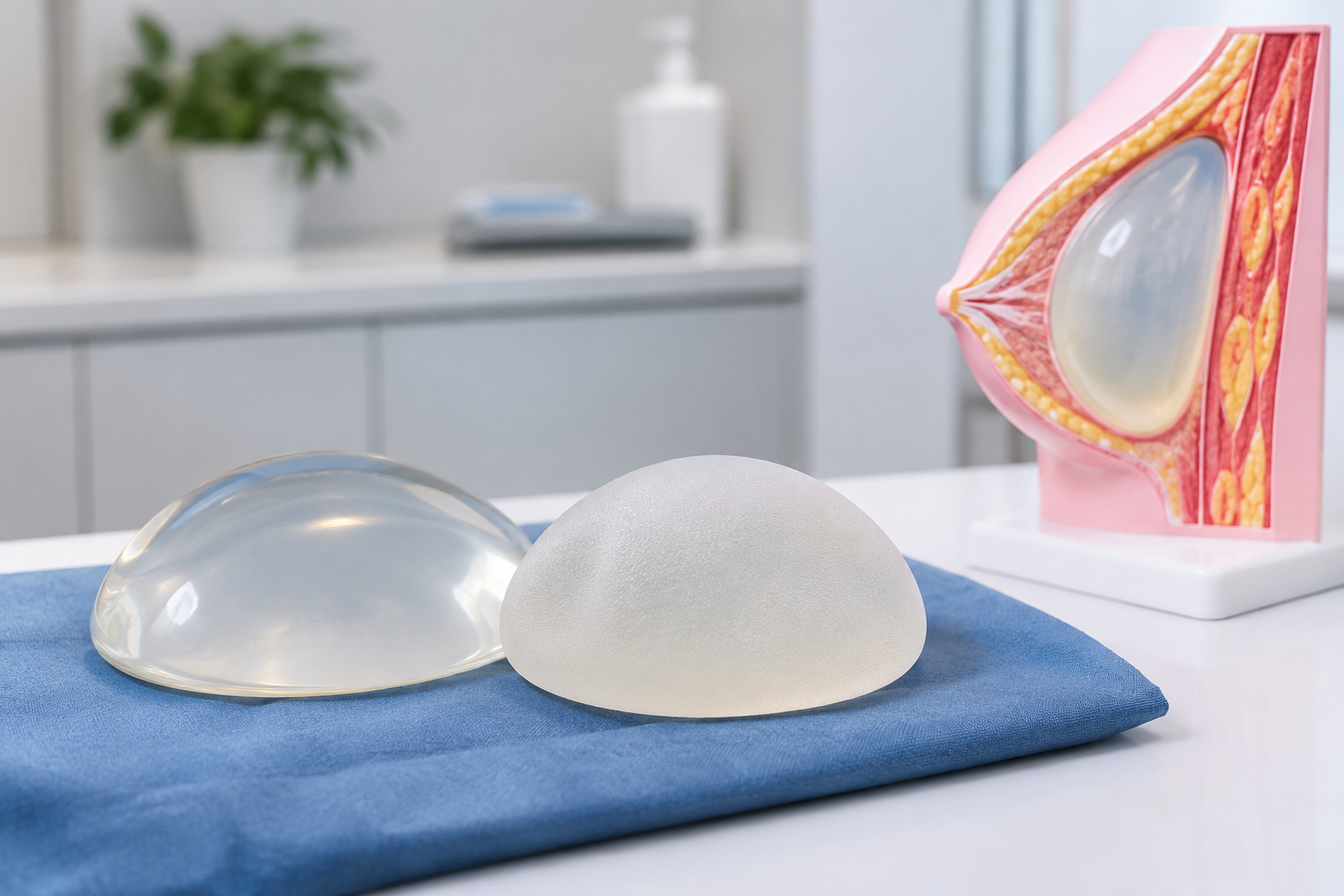
Breast implants are medical devices that surgeons place beneath breast tissue or the chest muscle to increase breast volume or support reconstruction.
Although breast augmentation is a commonly performed operation, every surgical procedure carries risks.
Complications may involve the surgical wound, surrounding tissues, implant position or the device itself.
Commonly discussed complications
- Infection or wound-healing problems.
- Bleeding or haematoma.
- Persistent swelling or discomfort.
- Capsular contracture.
- Implant rupture or leakage.
- Implant displacement.
- Changes in breast or nipple sensation.
- Visible implant rippling.
- Breast asymmetry.
- Need for revision surgery.
Additionally, rare implant-associated conditions require discussion during informed consent.
Importantly, breast implants are not lifetime devices. The likelihood of complications and additional surgery generally increases with time.
Early Complications After Breast Implant Surgery
Early complications usually develop during the first days or weeks after surgery.
Some swelling, bruising and soreness are expected. However, worsening symptoms may indicate a problem.
1. Infection
An infection can develop around the incision or implant.
Possible warning signs include:
- Increasing redness.
- Fever.
- Worsening pain.
- Unusual warmth around the breast.
- Wound discharge.
The surgeon may recommend antibiotics, additional investigations or surgery depending on the severity.
In some cases, treatment requires implant removal.
2. Bleeding or haematoma
A haematoma occurs when blood collects around the surgical area.
Patients may notice sudden swelling, increased firmness, bruising or pain, particularly on one side.
Large or expanding haematomas may require urgent surgical treatment.
Therefore, patients should contact their surgeon promptly if breast swelling increases unexpectedly.
3. Seroma
A seroma is a collection of fluid around the implant or surgical area.
It may cause swelling, discomfort or changes in breast shape.
The surgeon may use imaging or fluid analysis to investigate the cause.
Importantly, new fluid accumulation years after implant surgery requires assessment because rare implant-associated conditions can present this way.
4. Delayed wound healing
Some patients experience slower incision healing.
Smoking, diabetes, poor circulation and other health conditions may increase the risk.
Therefore, patients should follow wound-care instructions and avoid nicotine as advised.
Long-Term Breast Implant Risks and Side Effects
Breast implants increase volume, while a breast lift primarily addresses sagging and breast position. Therefore, patients should understand the differences before selecting a procedure. Read our guide to breast lift surgery for more information about breast reshaping and treatment planning.
Some breast implant complications develop months or years after surgery.
These problems may require imaging, medical assessment or further surgery.
Capsular contracture
After implant placement, the body naturally forms scar tissue around the device.
However, this scar tissue may become unusually thick or tight.
This condition is called capsular contracture.
Symptoms may include:
- Increasing breast firmness.
- Pain or discomfort.
- Changes in breast shape.
- Visible distortion.
- An implant that appears unusually high.
Treatment depends on severity. Some patients require surgery to remove or modify the scar capsule and possibly replace or remove the implant.
Implant rupture
An implant rupture occurs when the outer implant shell develops a tear.
Saline implant rupture usually causes noticeable loss of breast volume as the body absorbs the saline.
However, silicone implant rupture may produce no obvious symptoms. Doctors sometimes call this a silent rupture.
Therefore, patients with silicone implants need appropriate imaging surveillance.
The FDA recommends ultrasound or MRI beginning five to six years after silicone implant placement and every two to three years thereafter, even without symptoms. Symptoms may require earlier imaging.
Implant displacement
Implants may move away from their intended position.
Consequently, patients may notice asymmetry, unusual breast contours or changes in implant position.
Treatment depends on the extent of displacement and the patient’s concerns.
Implant rippling
Rippling occurs when folds or wrinkles in the implant become visible or palpable through the surrounding tissue.
Patients with limited natural breast tissue may notice this more easily.
Although rippling does not always require treatment, patients should discuss significant cosmetic or physical concerns with their surgeon.
Changes in breast sensation
Some patients experience temporary numbness or increased sensitivity after breast augmentation.
However, changes in nipple or breast sensation can occasionally persist.
The likelihood depends on individual anatomy, incision placement and surgical technique.
Rare Breast Implant Complications
Rare complications deserve attention because early assessment can improve treatment planning.
Breast implant-associated anaplastic large cell lymphoma (BIA-ALCL)
BIA-ALCL is a rare type of lymphoma associated with breast implants, particularly certain textured implants.
It is not ordinary breast cancer.
Possible symptoms include:
- Persistent swelling.
- New fluid accumulation around an implant.
- Breast pain.
- A lump near the implant or surrounding tissue.
- Changes in breast shape.
These symptoms may appear years after implantation.
Therefore, patients should seek medical assessment if they develop new swelling or a breast mass.
Doctors may recommend imaging and laboratory examination of fluid or tissue.
Other implant-associated malignancies
The FDA has also reported rare cases of squamous cell carcinoma and other lymphomas arising in the scar capsule around breast implants.
Researchers continue to investigate their frequency and risk factors.
Patients should discuss unusual late symptoms with a qualified clinician rather than assuming they represent normal implant ageing.
Breast implant illness (BII)
Some patients report systemic symptoms such as fatigue, joint pain, difficulty concentrating or other health concerns that they associate with their implants.
People commonly refer to these symptoms as breast implant illness.
However, BII is not a formally established diagnosis with a single confirmed cause or diagnostic test.
Researchers continue to study possible associations.
Patients experiencing persistent symptoms should receive an appropriate medical assessment to investigate potential causes and discuss treatment options.
Warning Signs That Need Medical Attention
Not every postoperative symptom indicates a complication. Nevertheless, patients should know when to seek help.
| Symptom | Possible concern | Recommended action |
|---|---|---|
| Increasing redness and fever | Infection | Contact the treating team promptly |
| Sudden breast swelling | Haematoma or fluid collection | Seek urgent surgical assessment |
| Persistent firmness or distortion | Capsular contracture | Arrange a consultation |
| Noticeable loss of breast volume | Possible saline implant rupture | Contact the surgeon |
| New lump or swelling years later | Fluid collection or rare implant-associated condition | Arrange prompt medical evaluation |
| Persistent unexplained pain | Implant or tissue-related problem | Seek clinical assessment |
| Chest pain or breathing difficulty | Potential medical emergency | Seek emergency care immediately |
Patients should not attempt to diagnose implant complications using photographs or online information alone.
A physical examination and appropriate investigations may be necessary.
How to Reduce Breast Augmentation Risks
Choosing the right procedure is an important part of surgical planning. Additionally, patients should discuss their medical history, skin quality and expectations with a qualified surgeon. Our article about breast lift candidates explains factors surgeons assess when considering breast reshaping procedures.
Although no surgeon can eliminate every complication, careful planning can reduce avoidable risks.
1. Choose a qualified plastic surgeon
An appropriately trained plastic surgeon can assess anatomy, explain implant options and discuss potential complications.
Additionally, patients should confirm that surgery will take place in a suitable medical facility.
2. Share your complete medical history
Tell your surgeon about:
- Diabetes or other chronic conditions.
- Previous breast surgery.
- Medication allergies.
- Smoking or nicotine use.
- Current medicines and supplements.
- Previous wound-healing problems.
This information helps the medical team identify factors that may affect surgery or recovery.
3. Understand implant selection
Ask about implant type, surface characteristics, manufacturer information and recommended monitoring.
Moreover, discuss the advantages and limitations of each option.
4. Follow postoperative instructions
Take prescribed medicines as directed and follow wound-care advice.
Avoid heavy lifting and strenuous exercise until the surgeon approves these activities.
Additionally, attend all scheduled reviews.
5. Continue long-term monitoring
Breast implants require ongoing awareness and appropriate follow-up.
Patients should retain their implant identification records and report new symptoms.
Importantly, routine breast cancer screening should continue according to age, medical history and professional recommendations.
When Should You Consult a Plastic Surgeon?
Patients considering breast surgery should discuss their goals, possible complications and recovery requirements with their surgeon. For additional information about breast surgery planning and recovery, explore our breast augmentation procedure and recovery guide.
At Elegance Clinic, Dr. Ashutosh Shah can evaluate breast implant concerns and discuss whether clinical examination, imaging or additional treatment is appropriate.
Consultation may help patients understand:
- Whether symptoms suggest an implant complication.
- Which investigations may be necessary.
- Whether observation or treatment is appropriate.
- When implant removal or replacement should be considered.
- What recovery may involve after revision surgery.
However, not every breast change requires implant removal.
The surgeon should explain the available options after evaluating the individual situation.
Frequently Asked Questions About Breast Implant Complications
1. What is the most common complication of breast implants?
Capsular contracture is among the better-known long-term breast implant complications. It occurs when scar tissue around the implant becomes unusually tight, sometimes causing firmness, discomfort or distortion. However, complication rates vary according to implant type, surgical technique and follow-up duration. Patients should discuss their individual risk with a qualified plastic surgeon.
2. Can breast implants cause problems after 10 years?
Yes. Implant complications can develop many years after surgery. These may include capsular contracture, rupture, displacement or changes in breast shape. However, implants do not automatically require replacement after exactly ten years. The decision depends on symptoms, implant condition, imaging findings and the surgeon’s assessment.
3. How do I know if my breast implant has ruptured?
Saline implant rupture often causes noticeable breast deflation. In contrast, silicone implant rupture may not produce obvious symptoms. Some patients experience pain, firmness or changes in shape. Therefore, doctors may recommend ultrasound or MRI to investigate suspected rupture. Patients should not rely only on appearance to determine implant integrity.
4. Are breast implant side effects permanent?
Some breast implant side effects, such as early swelling and temporary discomfort, usually improve during recovery. However, changes in sensation, scarring or certain implant-related complications may persist. Treatment options depend on the underlying cause. Therefore, patients should discuss persistent symptoms with their surgeon rather than assuming they will resolve without assessment.
5. Can breast implants increase cancer risk?
Breast implants have not been shown to increase the risk of ordinary breast cancer. However, certain implants are associated with rare capsule-related malignancies, including BIA-ALCL. The FDA has also reported rare cases of other lymphomas and squamous cell carcinoma around implants. Patients should discuss these risks and seek assessment for unusual swelling or lumps.
6. Do breast implants need to be replaced every 10 years?
No. There is no universal requirement to replace every breast implant after ten years. However, implants are not lifetime devices, and complications become more likely over time. Patients may require replacement or removal because of rupture, capsular contracture, discomfort or personal preference. Regular monitoring helps guide decisions.
Conclusion
Understanding breast implant complications helps patients make informed decisions before breast augmentation and recognise potential problems after surgery.
Although many patients recover without major complications, implants carry both short-term surgical risks and long-term device-related concerns.
Therefore, patients should discuss implant selection, recovery, monitoring and possible future surgery with a qualified plastic surgeon.
At Elegance Clinic, Dr. Ashutosh Shah provides consultations for patients seeking information about breast augmentation risks and implant-related concerns.
Have questions about your breast implants? Contact Elegance Clinic to arrange a consultation and discuss your symptoms, implant history and appropriate next steps.
