

|
Getting your Trinity Audio player ready...
|
✓ Medically reviewed by Dr. Ashutosh Shah, Plastic, Reconstructive & Cosmetic Surgeon (M.Ch., DNB)
Knowing what to avoid after tummy tuck helps you protect healing incisions and plan daily activities. Avoid heavy lifting, strenuous exercise, smoking and changes to prescribed care without advice. Showering, driving, travel and sleeping positions need individual guidance. Follow your surgical team’s instructions and report unexpected symptoms promptly.
At Elegance Clinic, discuss your recovery responsibilities with Dr. Ashutosh Shah before surgery. Explain your work, childcare duties and travel plans. This helps you arrange practical support.
A full tummy tuck involves a substantial recovery period. Therefore, organise help before the operation and keep your written instructions accessible.
What to Avoid in the First Week
Avoid heavy lifting and activities that strain your abdomen. This includes lifting children, moving furniture and carrying shopping bags. Arrange someone to handle these tasks.
Keep dressings clean and follow the instructions provided. Avoid disturbing them or applying perfumed products near the wound. Report bleeding, swelling or discharge to your team. Hull University Teaching Hospitals NHS Trust
Rest is necessary, but ask about suitable gentle movement. Your team should explain how often to get up and walk. Follow the plan for your operation and health needs. NHS
Also avoid adding medicines, supplements or scar products without checking. Keep a record of prescribed doses and ask whom to contact with questions.
For related information, visit the clinic’s tummy tuck blogs.
Recovery Do’s and Don’ts
| Day range | Do | Don’t |
|---|---|---|
| [Days 0–3] | Arrange help and follow discharge instructions. | Drive yourself home or lift heavy items. |
| [Days 4–7] | Follow wound care and permitted movement advice. | Pull dressings or drains, or strain the abdomen. |
| [Days 8–14] | Attend reviews and discuss symptoms. | Increase activity solely because pain has improved. |
| [Weeks 3–6] | Ask about work, driving and exercise clearance. | Resume strenuous activity without approval. |
| [Later recovery] | Discuss scar care and gradual activity progression. | Start scar treatments before wound assessment. |
When Can You Shower, Travel and Drive?
Showering depends on your dressings, drains and wound condition. Ask your nurse to explain how to wash and dry the area. Follow the specific instructions given at discharge. NHS
Soaking in a bath, swimming pool or hot tub needs separate clearance. Ask when your incisions are sufficiently healed for immersion. Nuffield Health
Travel and Driving
Explain the journey you need to make. Include travel duration, steps, luggage and access to help. Ask whether your first review should happen before travelling.
Driving requires safe control of the vehicle. You should be comfortable performing an emergency stop and should check relevant insurance requirements. ouh.nhs.uk
The clinic’s tummy tuck or liposuction 2 article discusses different treatment approaches. Your recovery instructions should reflect the operation actually performed.
Food, Smoking and Alcohol Rules
Eat a balanced diet during recovery. Ask your team about any dietary needs related to existing medical conditions.
If appetite is reduced, discuss manageable meals. Also ask about constipation if medicines or reduced activity affect your bowel routine. Avoid starting laxatives or supplements without suitable advice.
Smoking and nicotine can interfere with healing. Tell your surgeon about cigarettes, vaping and other nicotine products. Ask for clear instructions and support. Nuffield Health
Alcohol restrictions depend on anaesthesia, medicines and your recovery. Follow your team’s advice and check possible medicine interactions before drinking. wsh.nhs.uk
Understanding what to avoid after tummy tuck includes discussing these habits honestly. This allows the team to plan appropriate care.
Clothing, Garments and Sleep Position After Tummy Tuck in Udhna Surat
Choose clothes that are easy to put on and remove. Ask how waistbands should sit around dressings, drains and the incision.
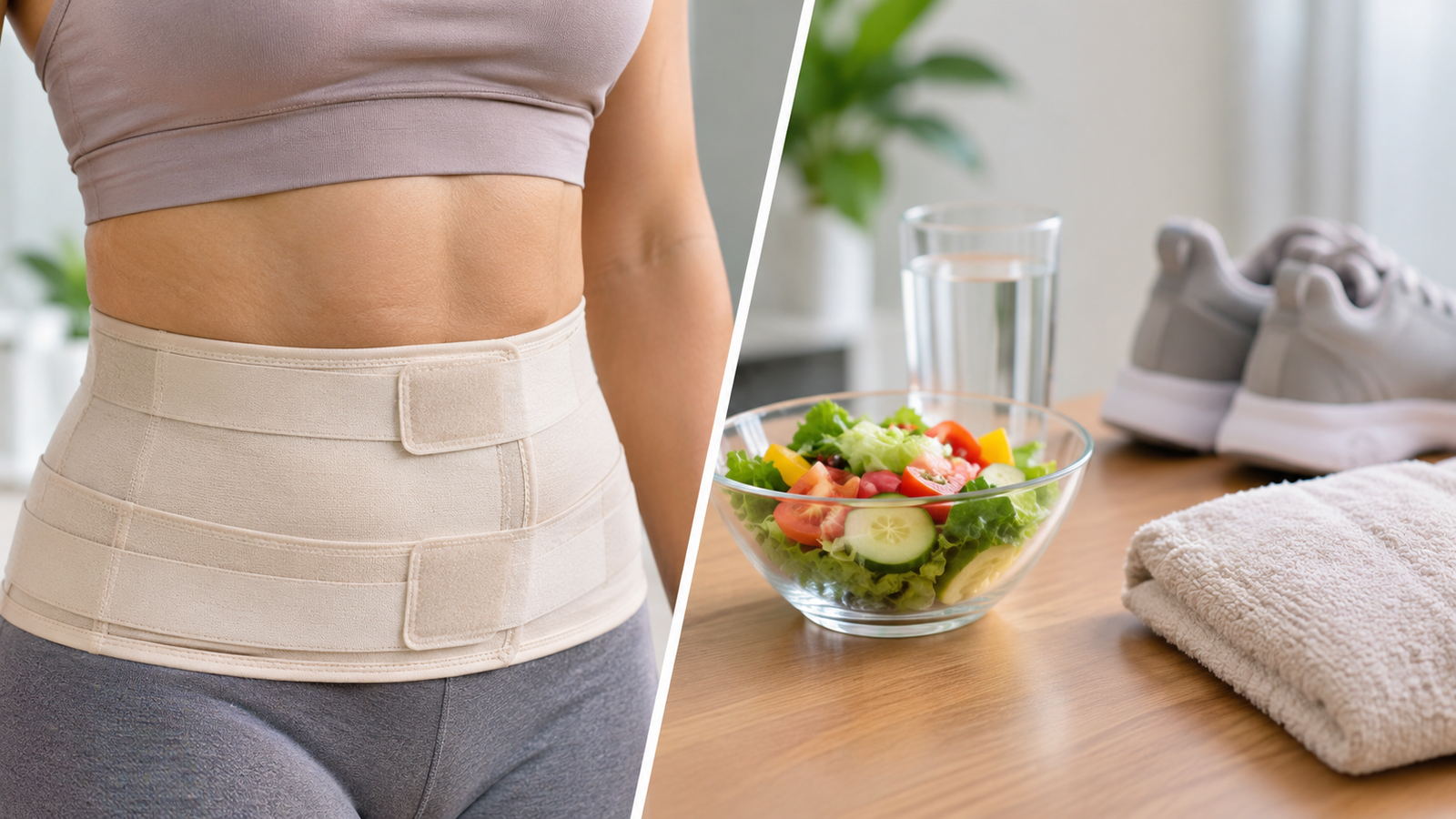
Wear the prescribed compression garment as instructed. Your team should explain its fit, cleaning and removal. Ask for a review if it causes pain or skin problems. American Society of Plastic Surgeons
Sleeping Comfortably
Your surgeon may recommend keeping your hips and knees slightly bent initially. This can reduce tension on the incision. Ask how to support yourself with pillows. NHS
For procedure planning, read excess belly skin removal in surat. If other procedures are combined, ask how they affect positioning and garments.
The clinic’s book ftm chest surgery surat guide covers a separate operation. Request a complete aftercare plan specific to your surgery.
Which Signs Need a Call to the Clinic?
Contact your team promptly for severe pain or unexpected symptoms. Increasing swelling, skin changes or wound concerns need assessment. NHS
Also report spreading redness, unusual drainage, fever or an opening along the incision. Explain when the change started and whether it is worsening.
Seek emergency care for chest pain, breathing difficulty or collapse. New pain and swelling in one leg also require urgent medical advice. NHS
Knowing what to avoid after tummy tuck includes avoiding delays when symptoms change. Keep emergency instructions available to your support person.
At follow-up, ask Dr. Ashutosh Shah which activities you can resume. Confirm the next review before leaving Elegance Clinic.
Frequently Asked Questions
1. When Can I Take a Bath?
Bathing requires separate advice from showering because it involves soaking the incision. Your surgeon should assess wound closure, dressings and any drains before clearing immersion. Until then, follow the washing method explained by your surgical team and keep dressings protected.
2. Can I Travel by Bus or Train?
Travel advice depends on journey length, mobility, wound care and your recovery. People planning tummy tuck in udhna surat should explain their transport arrangements before surgery. Arrange help with luggage and ask about movement during longer journeys and access to follow-up care.
3. When Can I Drink Alcohol Again?
Ask your surgical team before drinking alcohol. The answer depends on anaesthesia recovery, prescribed medicines and your clinical condition. Alcohol may interact with some medicines or increase drowsiness. Check the instructions for each medicine and discuss any uncertainty with your prescriber.
4. Can I Sleep on My Side?
Ask your surgeon before changing your prescribed sleeping position. Side sleeping may be uncomfortable or place pressure on the healing abdomen. Explain any sleep problems at review and ask how pillows or other adjustments could improve comfort safely.
5. When Can I Go Out in the Sun?
Ask your surgeon about suitable outdoor activity and protection for healing scars. Keep the incision covered and avoid applying products before the skin is ready. Plan comfortable outings that fit your activity restrictions, garment requirements and recovery progress.
