

✓ Medically reviewed by Dr. Ashutosh Shah, Plastic, Reconstructive & Cosmetic Surgeon (M.Ch., DNB)
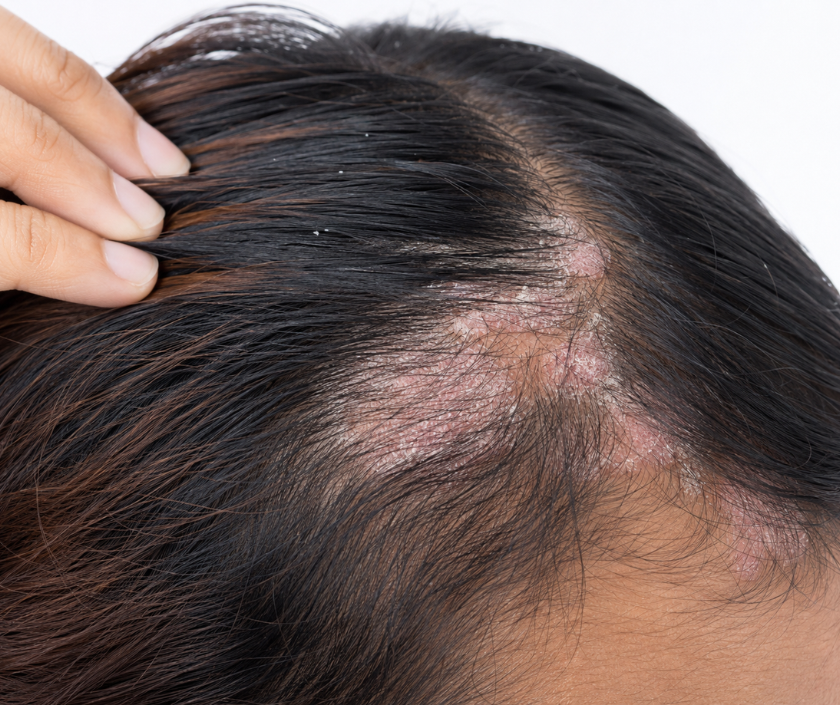
Scalp Psoriasis Treatment focuses on managing the symptoms of scalp psoriasis, including thick scales, redness, itching, and inflammation. Scalp psoriasis is a chronic autoimmune skin condition that can affect part or all of the scalp and may sometimes extend to the forehead, neck, or behind the ears.
At Elegance Clinic in Adajan, Surat, Dr. Ashutosh Shah provides personalized treatment plans to control symptoms, improve scalp health, and reduce flare-ups.
Early diagnosis and appropriate treatment can help relieve discomfort and improve your quality of life.
What Is Scalp Psoriasis?
Scalp psoriasis is a long-term inflammatory skin condition in which the immune system causes skin cells to multiply more rapidly than normal. This results in thick, silvery scales, red patches, itching, and irritation on the scalp.
Although it is not contagious, scalp psoriasis often requires ongoing management to control symptoms and reduce recurrence.
What Causes Scalp Psoriasis?
The exact cause is not fully understood, but several factors can trigger or worsen the condition.
Common contributing factors include:
- Autoimmune response
- Family history
- Stress
- Skin injury
- Certain infections
- Cold and dry weather
- Smoking
- Excessive alcohol consumption
- Certain medications
- Hormonal changes
Common Symptoms
Symptoms may vary from mild to severe and can include:
- Thick silvery scales
- Red patches on the scalp
- Persistent itching
- Dry scalp
- Burning sensation
- Flaking that resembles dandruff
- Temporary hair shedding
- Cracked or bleeding skin
How Is Scalp Psoriasis Diagnosed?
At Elegance Clinic, diagnosis begins with a thorough scalp evaluation.
The assessment may include:
- Medical history review
- Clinical scalp examination
- Assessment of skin lesions
- Hair and scalp analysis
- Digital scalp evaluation
- Review of symptoms
- Examination for psoriasis on other body areas
- Personalized treatment planning
Additional investigations may be recommended if required.
Scalp Psoriasis Treatment Options
Treatment is customized according to the severity of the condition.
Management may include:
- Medicated topical treatments
- Anti-inflammatory medications
- Medicated shampoos
- Scalp moisturizers
- Phototherapy (when appropriate)
- Treatment for associated scalp infections
- Lifestyle recommendations
- Regular follow-up care
The goal is to control symptoms, reduce inflammation, and minimize future flare-ups.
Benefits of Professional Treatment
- Reduces itching
- Controls scaling
- Relieves scalp inflammation
- Improves scalp comfort
- Reduces flare-ups
- Supports healthier scalp skin
- Improves quality of life
- Provides personalized long-term care
Consistent treatment helps manage symptoms more effectively.
Why Choose Elegance Clinic?
Patients choose Elegance Clinic because of:
- Comprehensive scalp evaluation
- Personalized treatment plans
- Evidence-based therapies
- Advanced scalp assessment
- Experienced care by Dr. Ashutosh Shah
- Individualized follow-up
- Patient-centered approach
- Focus on long-term scalp health
Book Your Scalp Psoriasis Consultation in Surat
If you have persistent scalp scaling, itching, redness, or discomfort, consult Dr. Ashutosh Shah at Elegance Clinic in Adajan, Surat.
A detailed scalp evaluation can help confirm the diagnosis and provide an effective treatment plan for long-term symptom control.
Frequently Asked Questions
Having doubts and questions? These are few questions our customers normally ask us!
What is scalp psoriasis?
Scalp psoriasis is a chronic autoimmune skin condition that causes thick, scaly patches, redness, itching, and inflammation on the scalp.
Is scalp psoriasis contagious?
No. Scalp psoriasis is not contagious and cannot spread from one person to another through physical contact.
Can scalp psoriasis cause hair loss?
Temporary hair shedding may occur due to inflammation or excessive scratching, but hair usually regrows once the condition is effectively managed.
Can scalp psoriasis be cured?
There is no permanent cure, but appropriate treatment can help control symptoms, reduce flare-ups, and improve scalp health.
When should I consult a doctor?
You should seek medical advice if you experience persistent scalp scaling, severe itching, pain, bleeding, or symptoms that do not improve with routine scalp care.

