

✓ Medically reviewed by Dr. Ashutosh Shah, Plastic, Reconstructive & Cosmetic Surgeon (M.Ch., DNB)
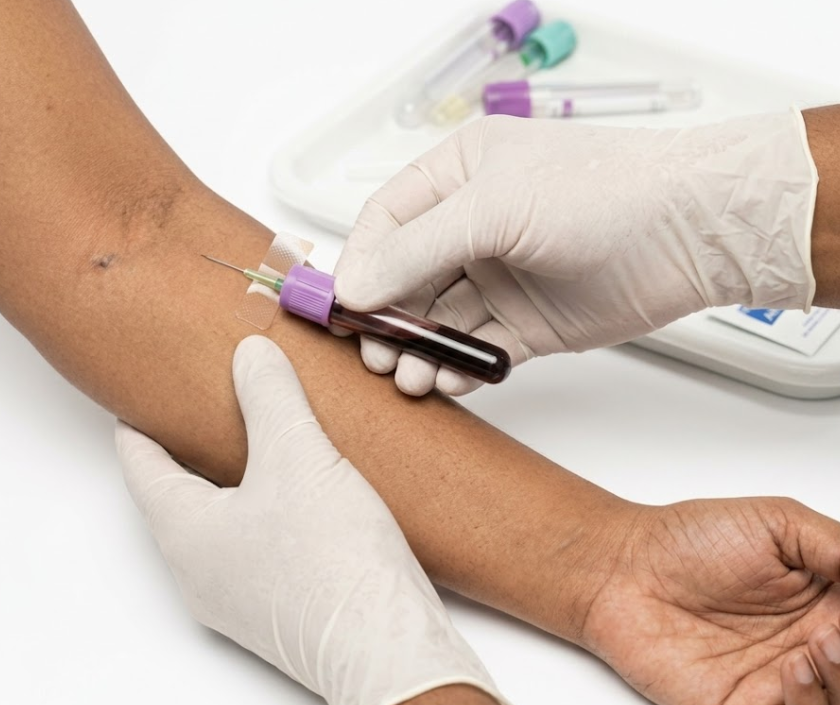
Laboratory Evaluation for Hair Loss Causes helps identify underlying medical conditions that may contribute to excessive hair fall or thinning. While genetics is a common reason for hair loss, nutritional deficiencies, hormonal imbalances, thyroid disorders, and other health conditions can also affect hair growth. At Elegance Clinic in Adajan, Surat, Dr. Ashutosh Shah recommends laboratory investigations when clinically indicated to determine the root cause and develop a personalized treatment plan.
Accurate diagnosis helps ensure that treatment targets the underlying problem rather than just the symptoms.
What Is a Laboratory Evaluation for Hair Loss?
A laboratory evaluation for hair loss causes is a series of medical tests used to detect nutritional, hormonal, metabolic, or systemic conditions that may be causing or worsening hair loss. These investigations help your doctor confirm a diagnosis and recommend the most appropriate treatment.
At Elegance Clinic, laboratory tests are advised only when your medical history and clinical examination suggest an underlying health concern.
Who Should Consider Laboratory Testing?
Laboratory evaluation may be recommended if you have:
- Sudden or excessive hair fall
- Diffuse hair thinning
- Hair loss lasting several months
- Patchy hair loss
- Hair loss with fatigue or weakness
- Irregular menstrual cycles
- Family history of thyroid disease
- Poor nutrition or restrictive diets
- Hair loss after illness or surgery
- Suspected vitamin or mineral deficiencies
What Causes Hair Loss That May Require Testing?
Several medical conditions can contribute to hair loss.
Common causes include:
- Iron deficiency
- Vitamin D deficiency
- Vitamin B12 deficiency
- Thyroid disorders
- Hormonal imbalance
- Polycystic Ovary Syndrome (PCOS)
- Anemia
- Autoimmune diseases
- Chronic illness
- Nutritional deficiencies
- Diabetes
- Certain medications
What Tests May Be Recommended?
The required investigations depend on your symptoms and medical history.
Your doctor may recommend:
- Complete Blood Count (CBC)
- Serum Ferritin
- Iron Profile
- Vitamin D Level
- Vitamin B12 Level
- Thyroid Function Tests (TSH, T3, T4)
- Blood Sugar (HbA1c or Fasting Glucose)
- Hormonal Profile
- Zinc Level (when indicated)
- Liver and Kidney Function Tests (if required)
Not every patient requires all these tests. The evaluation is individualized based on your condition.
Why Are Laboratory Tests Important?
Laboratory investigations help identify hidden medical conditions that may not be apparent during a physical examination.
These tests help:
- Identify the root cause of hair loss
- Detect nutritional deficiencies
- Diagnose hormonal disorders
- Evaluate thyroid health
- Rule out systemic illnesses
- Guide appropriate treatment
- Monitor treatment progress
- Improve long-term hair health
What Happens After the Test Results?
Once the reports are reviewed, Dr. Ashutosh Shah will explain the findings and recommend the most appropriate treatment.
Your treatment plan may include:
- Nutritional supplementation
- Hair growth medications
- PRP Hair Therapy
- Mesotherapy
- Treatment for thyroid or hormonal disorders
- Lifestyle modifications
- Dietary counseling
- Hair transplant evaluation (if appropriate)
Treatment is always based on the identified cause of hair loss.
Why Choose Elegance Clinic?
Patients choose Elegance Clinic because of:
- Comprehensive hair loss evaluation
- Personalized diagnostic approach
- Evidence-based treatment planning
- Advanced hair restoration solutions
- Experienced care by Dr. Ashutosh Shah
- Individualized follow-up
- Patient-centered consultations
- Long-term hair health support
Book Your Hair Loss Evaluation in Surat
If you are experiencing persistent hair fall, thinning hair, or unexplained hair loss, consult Dr. Ashutosh Shah at Elegance Clinic in Adajan, Surat.
Frequently Asked Questions
Having doubts and questions? These are few questions our customers normally ask us!
Why are laboratory tests recommended for hair loss?
Laboratory tests help identify medical conditions such as nutritional deficiencies, thyroid disorders, hormonal imbalances, or anemia that may contribute to hair loss.
Does everyone with hair loss need blood tests?
No. Laboratory investigations are recommended only when your symptoms, medical history, or physical examination suggest an underlying medical condition.
Which blood tests are commonly performed?
Common tests include a Complete Blood Count (CBC), iron studies, vitamin D and B12 levels, thyroid function tests, blood sugar evaluation, and hormone tests when needed.
Can treating an underlying deficiency improve hair growth?
Yes. Correcting nutritional deficiencies or managing medical conditions can help reduce hair fall and support healthier hair growth, depending on the diagnosis.
How soon will I receive my treatment plan?
Once your clinical evaluation and laboratory reports are available, Dr. Ashutosh Shah will review the results and create a personalized treatment plan based on the underlying cause of your hair loss.
