

✓ Medically reviewed by Dr. Ashutosh Shah, Plastic, Reconstructive & Cosmetic Surgeon (M.Ch., DNB)
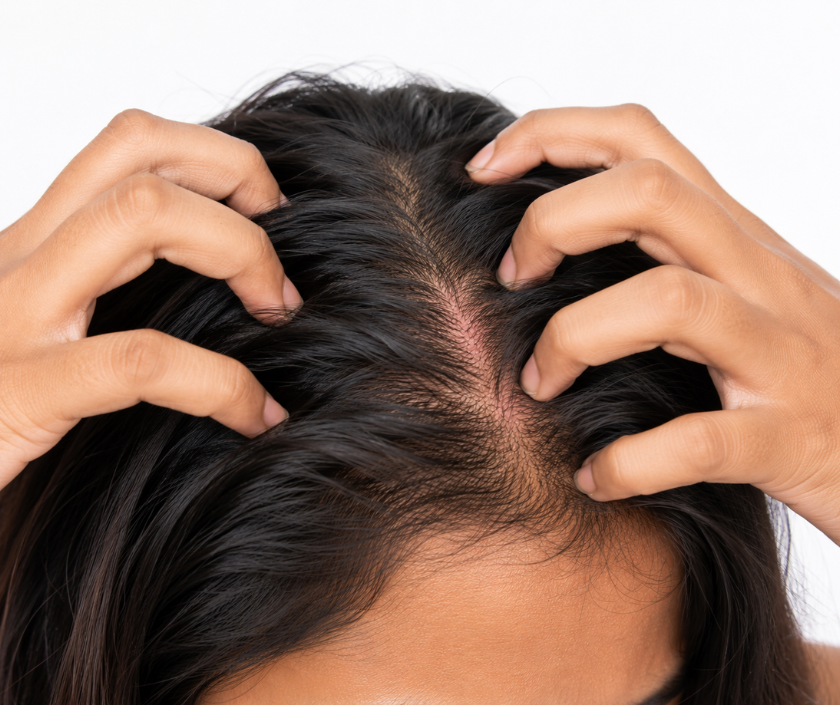
Itchy Scalp Treatment focuses on identifying the underlying cause of persistent scalp itching and providing personalized care to relieve discomfort and improve scalp health. An itchy scalp may result from dandruff, dry skin, allergies, infections, psoriasis, seborrheic dermatitis, or other scalp conditions.
At Elegance Clinic in Adajan, Surat, Dr. Ashutosh Shah offers comprehensive scalp evaluations and customized treatment plans to address the root cause and reduce recurring symptoms.
Early diagnosis can help prevent complications such as scalp damage, inflammation, and excessive scratching that may contribute to hair shedding.
What Is an Itchy Scalp?
An itchy scalp is a common condition characterized by persistent irritation or the urge to scratch the scalp. While occasional itching may be harmless, ongoing or severe symptoms often indicate an underlying scalp disorder that requires medical attention.
Professional evaluation helps determine the exact cause and guides the most appropriate treatment.
What Causes an Itchy Scalp?
Several conditions can lead to scalp itching.
Common causes include:
- Dandruff
- Dry scalp
- Seborrheic dermatitis
- Scalp psoriasis
- Fungal infections
- Allergic reactions
- Contact dermatitis
- Head lice
- Excess oil production
- Poor scalp hygiene
- Eczema
- Stress-related skin irritation
Common Symptoms
You may experience:
- Persistent itching
- Scalp redness
- Flaking
- Dry or oily scalp
- Burning sensation
- Tenderness
- Scalp irritation
- Small bumps or rashes
- Hair shedding due to scratching
How Is an Itchy Scalp Diagnosed?
At Elegance Clinic, diagnosis begins with a detailed scalp assessment.
The evaluation may include:
- Medical history review
- Clinical scalp examination
- Hair and scalp analysis
- Digital scalp assessment
- Assessment of skin lesions
- Review of hair care products
- Allergy evaluation (if required)
- Laboratory tests (when indicated)
The goal is to identify the exact cause and recommend the most effective treatment.
Itchy Scalp Treatment Options
Treatment depends on the underlying condition.
Management may include:
- Medicated shampoos
- Topical medications
- Antifungal therapy
- Anti-inflammatory treatment
- Allergy management
- Scalp hydration therapy
- Personalized hair care guidance
- Lifestyle recommendations
- Regular follow-up care
Benefits of Professional Treatment
- Relieves persistent itching
- Reduces scalp irritation
- Controls inflammation
- Improves scalp comfort
- Treats the underlying cause
- Supports healthy hair growth
- Prevents recurrence
- Enhances overall scalp health
Why Choose Elegance Clinic?
Patients choose Elegance Clinic because of:
- Comprehensive scalp evaluation
- Personalized treatment plans
- Advanced scalp analysis
- Evidence-based therapies
- Experienced care by Dr. Ashutosh Shah
- Individualized follow-up
- Modern treatment options
- Patient-centered approach
Book Your Consultation in Surat
If you have persistent scalp itching, irritation, or flaking, consult Dr. Ashutosh Shah at Elegance Clinic in Adajan, Surat.
A detailed scalp evaluation can identify the underlying cause and help restore long-term scalp comfort and health.
Frequently Asked Questions
Having doubts and questions? These are few questions our customers normally ask us!
What causes an itchy scalp?
An itchy scalp can result from dandruff, dry skin, seborrheic dermatitis, psoriasis, fungal infections, allergies, or other scalp conditions.
Can an itchy scalp lead to hair loss?
Persistent scratching and untreated scalp conditions may contribute to temporary hair shedding or damage to the scalp.
How is an itchy scalp treated?
Treatment depends on the underlying cause and may include medicated shampoos, topical medications, antifungal therapy, or personalized scalp care.
When should I see a doctor for scalp itching?
You should seek medical advice if itching is severe, persistent, associated with redness, swelling, pain, or does not improve with routine scalp care.
Can an itchy scalp be prevented?
Maintaining good scalp hygiene, using suitable hair care products, managing underlying skin conditions, and seeking early treatment can help reduce the risk of recurring scalp itching.

