

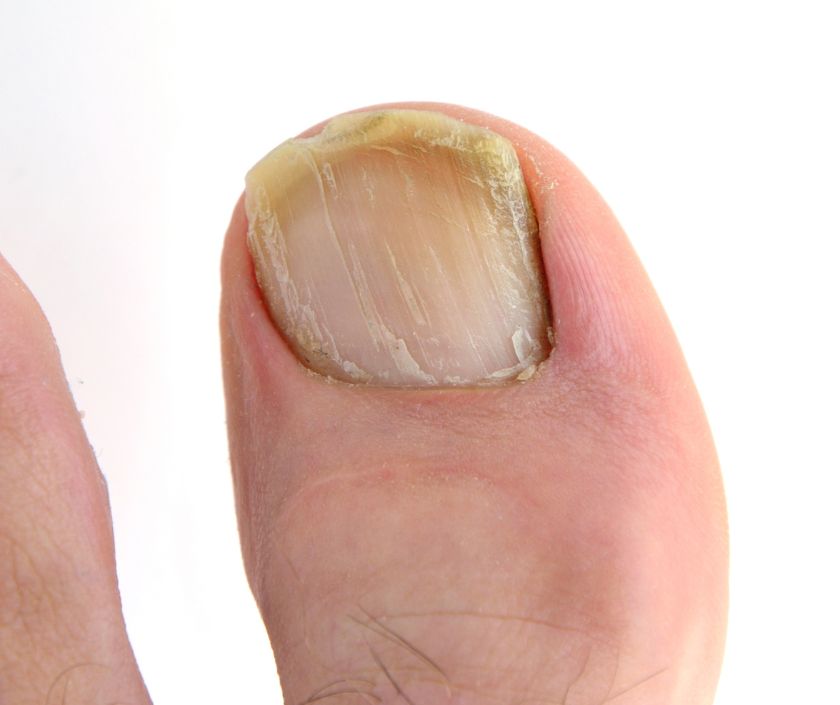
At Elegance Clinic, Onychomycosis (fungal nail infection) is managed as a persistent nail condition that commonly causes nail thickening, discoloration, brittleness, and separation of the nail from the nail bed. Onychomycosis most often affects the toenails, though fingernails can also be involved, and it tends to spread and worsen if left untreated.
Treatment at Elegance Clinic focuses on clearing the infection, restoring a healthier nail appearance, relieving discomfort, and preventing recurrence through personalized treatment planning.
What Is Onychomycosis?
Onychomycosis is a long-term fungal infection of the nails caused mainly by dermatophyte fungi, and sometimes by yeasts or molds. It usually begins as a small white or yellow spot under the nail tip and may gradually cause thickening, crumbling, and distortion of the entire nail.
At Dr. Ashutosh Shah, each patient receives a careful nail evaluation to confirm the diagnosis, identify the underlying cause, and plan the most effective treatment approach.
What Causes Onychomycosis?
Onychomycosis develops when fungi enter the nail through small cracks or gaps between the nail and nail bed.
Common causes and risk factors include:
- Dermatophyte fungal infection (most common cause)
- Yeast or mold infection
- Athlete’s foot spreading to the nails
- Walking barefoot in damp public areas such as pools, gyms, and locker rooms
- Sweaty feet and tight, non-breathable footwear
- Nail injury or trauma
- Diabetes and poor blood circulation
- Weakened immune system
- Increasing age
- Unhygienic pedicures or shared nail tools
Symptoms of Onychomycosis
Onychomycosis symptoms usually develop slowly and may worsen over time.
Common symptoms include:
- Thickened nails
- Yellow, white, or brown discoloration
- Brittle, crumbly, or ragged nails
- Distorted nail shape
- Separation of the nail from the nail bed
- Debris buildup under the nail
- Whitish or streaky patches on the nail surface
- Foul odor
- Pain or discomfort in severe cases
Types of Onychomycosis
Onychomycosis may appear in different forms.
- Distal Subungual Onychomycosis (starts at the nail tip or edge – most common)
- White Superficial Onychomycosis (white patches on the nail surface)
- Proximal Subungual Onychomycosis (starts near the cuticle, often seen with weakened immunity)
- Candidal Onychomycosis (yeast infection, more common in fingernails)
- Total Dystrophic Onychomycosis (complete nail damage in advanced cases)
How Onychomycosis Is Treated
At Elegance Clinic, treatment is planned according to the severity of infection, number of nails affected, and overall health of the patient.
Treatment options may include:
- Topical antifungal creams and nail lacquers
- Oral antifungal medication for moderate to severe infections
- Trimming and debridement of thickened nails
- Laser therapy in selected cases
- Surgical or chemical nail removal in severe or resistant cases
- Treatment of associated athlete’s foot
- Hygiene and footwear guidance to prevent reinfection
- Long-term monitoring, as nails grow slowly and treatment takes time
The goal is to clear the infection, restore nail health, and reduce the risk of recurrence.
Benefits of Proper Onychomycosis Treatment
- Clearer, healthier-looking nails
- Reduced nail thickening and discoloration
- Relief from nail discomfort
- Prevention of spread to other nails, skin, or family members
- Reduced chance of recurrence
- Better nail function
- Improved confidence and appearance
Why Choose Elegance Clinic?
Patients choose Elegance Clinic for nail condition management because of:
- Personalized treatment planning
- Accurate diagnosis before treatment
- Focus on complete clearance and recurrence prevention
- Safe and medically supervised treatment
- Individual cause and risk-factor analysis
- Patient-centered consultation and follow-up
- Long-term nail and skin care support
Book Your Consultation in Surat
If you notice nail discoloration, thickening, brittleness, or a nail separating from its bed, consult Dr. Ashutosh Shah at Elegance Clinic in Adajan, Surat.
Early diagnosis can help clear the infection faster and prevent it from spreading to other nails.
When to See a Doctor
You should seek medical advice if you notice:
- Persistent nail discoloration
- Thickened or crumbling nails
- Nail separating from the nail bed
- Foul odor from the affected nail
- Pain or discomfort while walking or wearing shoes
- Spread of infection to other nails
- Nail changes alongside diabetes or poor circulation
Frequently Asked Questions
Having doubts and questions? These are few questions our customers normally ask us!
Is onychomycosis (fungal nail infection) curable?
Yes, onychomycosis is curable in most cases, though a toenail can take 9 to 12 months to fully grow out clear. Dr. Ashutosh Shah at Elegance Clinic in Surat plans treatment based on the number of nails affected and infection depth.
How long does fungal nail treatment take?
Fungal nail treatment usually takes several months, as the infected nail must grow out and be replaced by healthy nail. Fingernails often clear in 4 to 6 months and toenails in 9 to 12 months.
How do I know if it's nail fungus or something else?
Thick or discolored nails aren’t always fungal – psoriasis and injury can look identical. This is why Dr. Ashutosh Shah confirms the diagnosis with a nail test before starting oral antifungal medication.
How much does fungal nail treatment cost in Surat?
The cost varies with the number of nails affected, infection severity, and whether oral or topical medication is needed. Elegance Clinic gives a clear treatment plan and cost estimate during the consultation.