

✓ Medically reviewed by Dr. Ashutosh Shah, Plastic, Reconstructive & Cosmetic Surgeon (M.Ch., DNB)
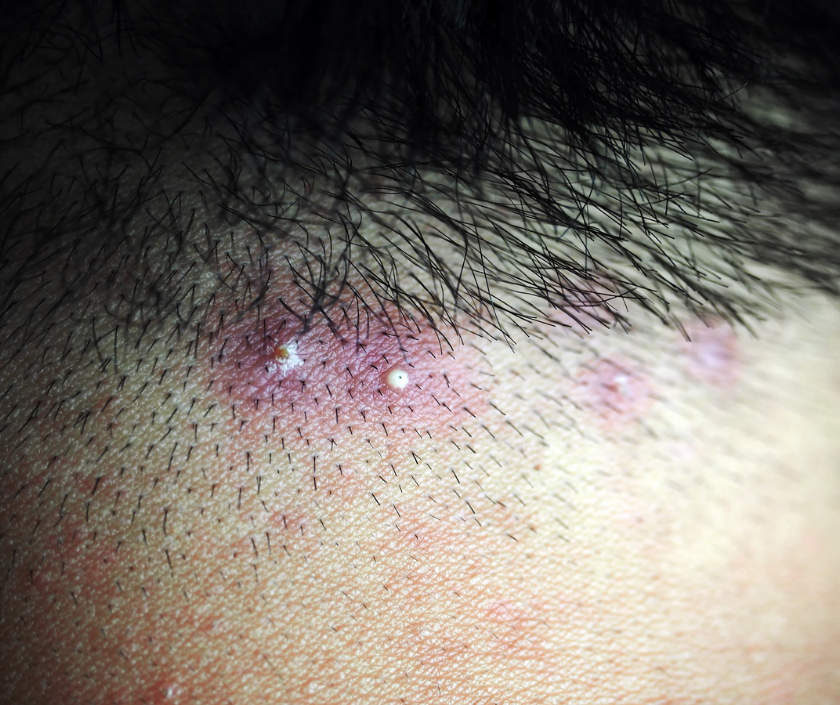
Folliculitis is inflammation of the hair follicles that causes small red or pus-filled bumps, often itchy or tender. It can appear anywhere hair grows – face, scalp, beard area, chest, back, legs, or buttocks. Most mild cases settle on their own, but recurrent, spreading, or stubborn folliculitis needs the right diagnosis, because different types need different treatment.
At Elegance Clinic, Dr. Ashutosh Shah identifies which type of Folliculitis you have – bacterial, fungal, or irritation-related – and treats it accordingly, so it clears properly and stops coming back.
What Is Folliculitis?
Folliculitis occurs when hair follicles become inflamed or infected. It looks like a cluster of small bumps around hairs, sometimes with a white pus tip. It’s common, usually not serious, but easily confused with acne – and treating the wrong cause is why it often persists.
Common types include:
- Bacterial folliculitis (usually Staphylococcus)
- Fungal (Malassezia) folliculitis – often mistaken for acne
- Razor-bump folliculitis (pseudofolliculitis barbae)
- Hot-tub folliculitis (Pseudomonas)
- Scalp folliculitis
Causes of Folliculitis
Folliculitis can be triggered by:
- Bacterial or fungal overgrowth on the skin
- Shaving, waxing, or plucking (ingrown hairs)
- Friction from tight clothing
- Sweating, heat, and humidity
- Occlusion from oils, heavy creams, or long antibiotic use
- Contaminated pools or hot tubs
- Diabetes or lowered immunity (recurrent cases)
Symptoms of Folliculitis
Signs of Folliculitis include:
- Clusters of small red or pus-filled bumps around hair follicles
- Itching, burning, or tenderness
- Bumps concentrated in shaved or friction-prone areas
- Crusting as bumps heal
- Recurring outbreaks in the same area
- Occasional darkening or scarring after repeated flares
How Folliculitis Is Treated
At Elegance Clinic, Dr. Ashutosh Shah first determines the cause, because bacterial and fungal folliculitis are treated differently – and antibiotics can worsen the fungal type.
Treatment may include:
- Antibacterial or antifungal treatment, matched to the cause
- Topical or oral medication depending on severity
- Adjusting shaving and hair-removal technique for razor bumps
- Stopping products or steroid creams that are aggravating it
- Advice on clothing, sweat, and skin care to prevent recurrence
- Evaluation for underlying causes in repeated cases
When Treatment Actually Helps
Mild Folliculitis often clears without treatment. Professional care matters most when it is:
- Recurrent or keeps returning to the same area
- Spreading, painful, or not improving in a week or two
- On the scalp or beard, where it can scar or cause hair loss
- Misdiagnosed as acne and not responding
- Linked to diabetes or low immunity
The value is correct diagnosis and stopping the recurrence cycle – not treating every single bump.
Why Choose Elegance Clinic?
Patients trust Dr. Ashutosh Shah and Elegance Clinic for Folliculitis because we offer:
- Diagnosis of the specific type before treatment
- Expertise in fungal folliculitis often mistaken for acne
- Targeted care for recurrent and razor-bump folliculitis
- Personalized, evidence-based treatment
- Practical prevention advice
- Follow-up for stubborn cases
Book Your Consultation in Surat
If you have recurring bumps around hair follicles, razor bumps that won’t settle, or folliculitis that isn’t clearing, consult Dr. Ashutosh Shah at Elegance Clinic for an accurate diagnosis and the right treatment.
When to See a Doctor
See a dermatologist if you have Folliculitis that:
- Keeps coming back or won’t clear in a week or two
- Is spreading, painful, or forming boils
- Affects the scalp or beard with hair loss
- Looks like acne but isn’t responding to acne treatment
- Occurs alongside diabetes or reduced immunity
Folliculitis treated as acne – or bacterial folliculitis treated as fungal, or the reverse – tends to persist, which is why identifying the cause comes first.
Frequently Asked Questions
Having doubts and questions? These are few questions our customers normally ask us!
Is folliculitis contagious?
Mostly no – it usually comes from your own skin’s bacteria or fungi. Shared razors, towels, or hot tubs can spread some types, but everyday folliculitis isn’t passed person to person.
Is folliculitis the same as acne?
No. Folliculitis is inflamed hair follicles, often infective; acne is blocked oil glands. They look alike, so folliculitis is often misdiagnosed and treated wrongly.
Will folliculitis go away on its own?
Mild cases often clear in one to two weeks without treatment. See a doctor if it recurs, spreads, becomes painful, or hits the scalp or beard.
Why does my folliculitis keep coming back?
Usually the trigger – shaving, friction, sweat, or wrong treatment – hasn’t been fixed. Fungal folliculitis treated with antibiotics is a common reason.
How do I stop razor bumps?
Shave less closely, with the grain, using a clean sharp blade. Persistent razor bumps may need topical treatment or a change in hair-removal method.
Where can I get folliculitis treatment in Surat?
Dr. Ashutosh Shah treats folliculitis, including recurrent and razor-bump cases, at Elegance Clinic, Surat.

