

✓ Medically reviewed by Dr. Ashutosh Shah, Plastic, Reconstructive & Cosmetic Surgeon (M.Ch., DNB)
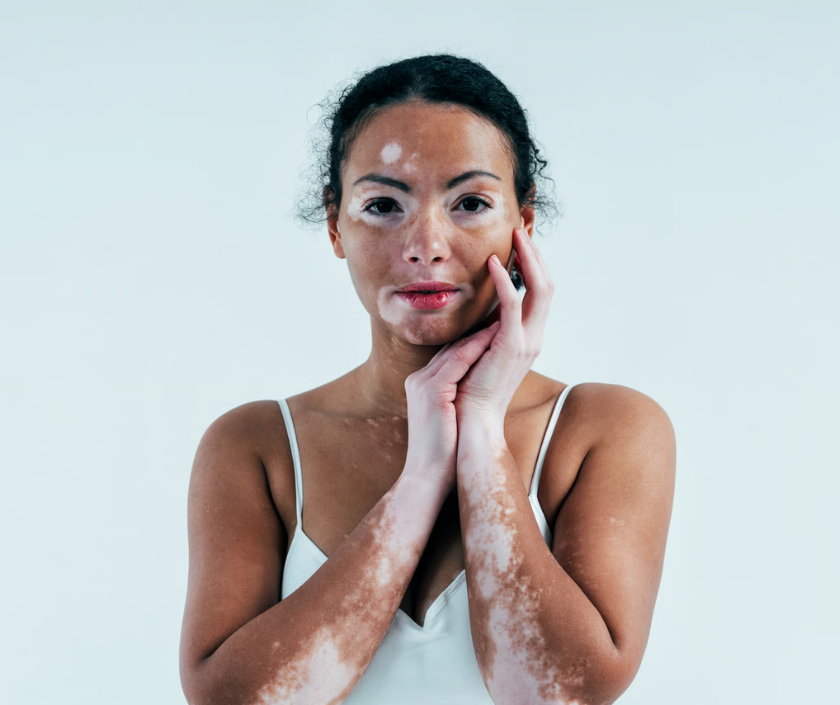
Vitiligo Treatment in Surat – Expert Diagnosis & Personalized Care
Are you noticing white patches on your skin that are gradually increasing in size? These could be signs of Vitiligo, a long-term skin condition that causes loss of skin pigment.
At Elegance Clinic, Surat, Dr. Ashutosh Shah, an experienced Plastic, Cosmetic & Reconstructive Surgeon, provides comprehensive evaluation, accurate diagnosis, and personalized treatment for Vitiligo. Our goal is to slow disease progression, restore skin pigmentation where possible, and help you regain confidence.
What Is Vitiligo?
Vitiligo is a chronic autoimmune skin disorder in which the body’s immune system attacks melanocytes, the cells responsible for producing skin pigment (melanin). As melanin is lost, white or light-colored patches develop on different parts of the body. Although Vitiligo is not contagious or life-threatening, it can have a significant emotional and psychological impact.
Why Is Early Diagnosis of Vitiligo Important?
Early diagnosis helps determine the type and extent of Vitiligo while allowing treatment to begin before the condition progresses further.
Early evaluation can help:
- Confirm the diagnosis accurately
- Identify the type of Vitiligo
- Slow disease progression
- Improve the chances of repigmentation
- Detect associated autoimmune conditions
- Develop a personalized treatment plan
Common Symptoms of Vitiligo
Patients with Vitiligo may experience:
- White patches on the skin
- Loss of skin color around the mouth or eyes
- Depigmented patches on the hands, feet, elbows, or knees
- Premature whitening of hair, eyebrows, or eyelashes
- Loss of pigment inside the mouth or lips
- Gradually enlarging white patches
- Symmetrical or localized skin discoloration
If you notice new white patches or changes in skin color, consult a specialist for early evaluation.
Our Vitiligo Diagnosis Process
1. Detailed Medical History
Our specialists evaluate:
- Duration of white patches
- Family history of Vitiligo
- Previous skin conditions
- Autoimmune diseases
- Recent illnesses or stress
- Current medications
A detailed consultation helps identify possible triggers and associated medical conditions.
2. Comprehensive Skin Examination
A thorough examination includes:
- Distribution of white patches
- Pattern of skin involvement
- Hair pigmentation changes
- Disease activity
- Extent of pigment loss
This assessment helps determine the severity and type of Vitiligo.
3. Wood’s Lamp Examination
A Wood’s lamp emits ultraviolet light that highlights depigmented areas more clearly.
This helps:
- Confirm pigment loss
- Detect early lesions
- Assess disease extent
- Differentiate Vitiligo from other skin disorders
4. Laboratory Investigations (When Required)
Depending on your condition, additional tests may include:
- Thyroid Function Tests
- Blood Sugar Levels
- Vitamin B12 Levels
- Autoimmune Screening
- Complete Blood Count (CBC)
- Other investigations as recommended
These tests help identify associated medical conditions that may influence treatment.
Conditions We Differentiate from Vitiligo
Our specialists carefully distinguish Vitiligo from other causes of white skin patches, including:
- Pityriasis Alba
- Tinea Versicolor
- Post-inflammatory Hypopigmentation
- Chemical Leukoderma
- Idiopathic Guttate Hypomelanosis
- Nevus Depigmentosus
- Albinism
- Other pigmentary skin disorders
Accurate diagnosis ensures the most effective treatment approach.
Personalized Vitiligo Treatment Plan
After confirming the diagnosis, Dr. Ashutosh Shah develops an individualized treatment plan based on the type, severity, and progression of Vitiligo.
Your treatment may include:
- Topical medications
- Oral medications (when indicated)
- Phototherapy (UVB therapy)
- Excimer Laser Therapy
- Surgical treatment for stable Vitiligo
- Skin grafting procedures (selected cases)
- Melanocyte transplantation (selected patients)
- Lifestyle and skincare guidance
- Regular follow-up and monitoring
Every treatment plan is customized to help restore pigmentation and achieve the best possible cosmetic outcome.
Who Should Seek a Vitiligo Consultation?
You should consult a specialist if you have:
- Newly developed white skin patches
- Increasing depigmented areas
- White patches around the eyes or mouth
- Premature whitening of hair
- Family history of Vitiligo
- Skin color changes after injury
- Existing Vitiligo that is spreading
Early consultation improves treatment success and helps preserve healthy skin pigmentation.
Why Choose Elegance Clinic for Vitiligo Treatment in Surat?
Patients choose Elegance Clinic because we provide:
- Expert diagnosis by Dr. Ashutosh Shah
- Personalized treatment plans
- Advanced diagnostic techniques
- Modern treatment options
- Evidence-based care
- Comprehensive follow-up
- Patient-centered approach
- Long-term disease management
Book Your Vitiligo Consultation in Surat
If you are concerned about white skin patches or changes in skin pigmentation, don’t delay seeking expert care. At Elegance Clinic, Surat, Dr. Ashutosh Shah provides accurate diagnosis, personalized treatment, and long-term follow-up for patients with Vitiligo.
Schedule your consultation today and take the first step toward healthier skin with expert Vitiligo treatment in Surat.
Frequently Asked Questions
Having doubts and questions? These are few questions our customers normally ask us!
Is Vitiligo contagious?
No. Vitiligo is not contagious and cannot spread through physical contact. It is an autoimmune condition that affects skin pigmentation.
Can Vitiligo be cured permanently?
There is no permanent cure for Vitiligo. However, early diagnosis and appropriate treatment can help slow progression and restore pigmentation in many patients.
What causes Vitiligo?
Vitiligo develops when the immune system attacks pigment-producing cells (melanocytes). Genetic factors, autoimmune diseases, and environmental triggers may contribute to its development.
What is the best treatment for Vitiligo?
The best treatment depends on the type and severity of Vitiligo. Options may include topical medications, phototherapy, laser therapy, and surgical procedures for selected patients.
When should I see a doctor for Vitiligo?
Consult a specialist if you notice new white patches, increasing skin discoloration, or premature whitening of hair. Early diagnosis improves treatment outcomes.

