

|
Getting your Trinity Audio player ready...
|
✓ Medically reviewed by Dr. Ashutosh Shah, Plastic, Reconstructive & Cosmetic Surgeon (M.Ch., DNB)
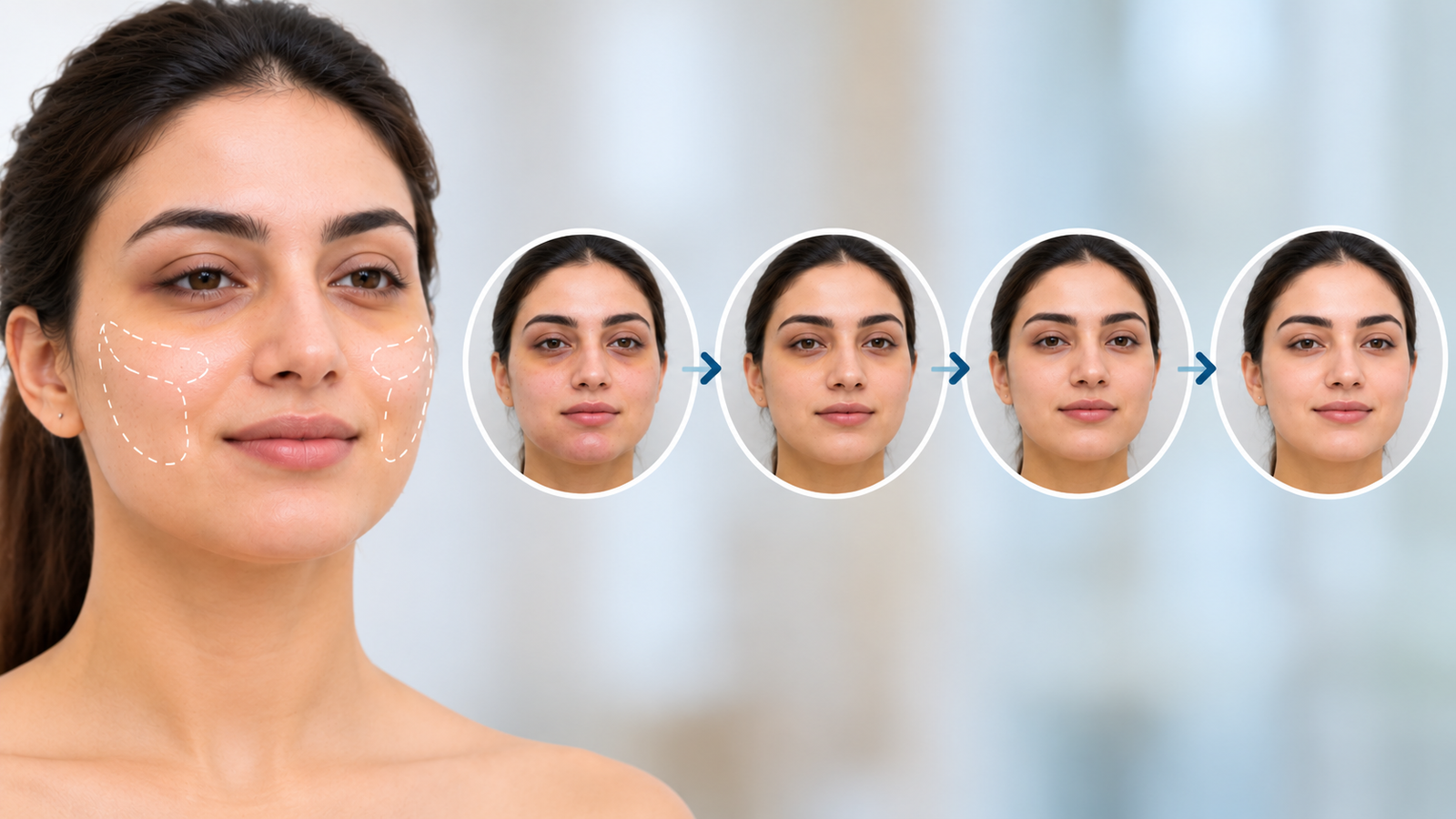
Fat grafting recovery time varies depending on the treatment area, amount of fat transferred and individual healing. Recovery happens in stages, beginning with rest and swelling management, followed by a gradual return to daily activities. Final results become clearer as swelling settles and transferred fat stabilises.
At Elegance Clinic, Dr. Ashutosh Shah, a plastic and reconstructive surgeon, can assess individual recovery requirements and recommend appropriate postoperative care.
Key Takeaways
- Fat grafting recovery involves healing at both the donor and receiving sites.
- Swelling, bruising and mild discomfort are common during the initial recovery period.
- Light activities may resume gradually, depending on the procedure and surgeon’s instructions.
- Strenuous exercise should be avoided until medical clearance.
- Some transferred fat is naturally absorbed during healing.
- Follow-up appointments help monitor recovery and identify potential complications.
What Happens in the First Week?
The first week after fat grafting is generally focused on rest, swelling management and protecting the treated areas.
Fat grafting involves removing fat from a donor area, usually through liposuction, processing it and transferring it to another area of the body.
Both locations require postoperative care.
Days 1–3: Initial Healing
During the first few days, patients may experience:
- Swelling around the donor and receiving areas.
- Bruising and tenderness.
- Mild to moderate discomfort.
- Temporary tightness or numbness.
- Small amounts of expected drainage from liposuction incisions, if applicable.
The surgeon may prescribe pain medication and recommend a compression garment for the donor area.
Patients should avoid placing unnecessary pressure on the fat-grafted area because pressure may affect healing.
Days 4–7: Gradual Improvement
Some patients notice a gradual reduction in discomfort and begin moving more comfortably.
However, swelling and bruising can remain noticeable.
Patients should:
- Take medicines as prescribed.
- Follow wound-care instructions.
- Avoid smoking and nicotine products.
- Maintain adequate hydration and nutrition.
- Attend scheduled postoperative appointments.
- Avoid strenuous physical activity.
Recovery varies significantly between facial fat grafting, breast fat transfer and larger-volume body procedures.
Week-by-Week Fat Grafting Recovery Timeline
| Recovery Period | What to Expect | Allowed Activities | Activities to Avoid |
|---|---|---|---|
| Week 1 | Swelling, bruising, tenderness and early healing | Rest and gentle walking as advised | Heavy lifting, intense exercise and pressure on grafted areas |
| Week 2 | Discomfort may decrease; swelling can persist | Light daily activities with clearance | Strenuous workouts and unapproved physical activity |
| Weeks 3–4 | Continued healing and gradual improvement | Increasing activity according to medical advice | Exercises restricted by the surgeon |
| Weeks 5–6 | Many patients experience improved comfort | Gradual return to approved exercise | Activities causing pain or excessive pressure |
| Months 2–3 | Swelling continues to settle; volume changes become clearer | Most approved normal activities | Ignoring persistent symptoms or follow-up advice |
| Months 3–6 | Longer-term contour and retained volume can be assessed | Normal activities if fully cleared | Assuming every early volume change is permanent |
Important: This table provides general educational guidance, not a fixed recovery schedule. [Dr. Ashutosh Shah to confirm treatment-specific timelines.]
When Can You Return to Work and Driving?
Returning to work depends on the physical demands of the job, the treatment area and the patient’s recovery progress.
Someone with a desk-based job may be able to return sooner than a person whose work involves lifting, prolonged standing or strenuous movement.
Returning to Office Work
Patients should consider:
- Residual swelling and discomfort.
- Ability to sit or stand comfortably.
- Whether compression garments are required.
- Medication-related drowsiness.
- Travel time to the workplace.
Some patients may be ready for light duties within the early recovery period, while others require additional rest.
When Is Driving Safe?
Patients should not drive while affected by anaesthesia, sedating pain medicines or restricted movement.
Driving should resume only when the patient can safely control the vehicle, turn comfortably and perform an emergency stop.
The surgeon should provide individual clearance.
Planning Treatment Away from Home
Patients travelling for fat grafting should consider the timing of postoperative reviews before returning home.
For individuals researching fat grafting in anand, planning travel, accommodation and recovery assistance in advance can help reduce unnecessary physical strain.
The recommended travel date depends on the procedure, mobility, anaesthesia and individual risk of complications.
Patients should obtain their surgeon’s approval before undertaking longer journeys.
When Is Exercise Safe Again?
Exercise restrictions are an important part of fat grafting aftercare.
The receiving area needs time to heal, while the donor site must recover from liposuction.
Excessive activity too early may increase swelling, discomfort or other complications.
Gentle Walking
Short, gentle walks are commonly encouraged when medically appropriate because movement supports circulation and helps reduce complications associated with prolonged immobility.
Patients should follow their surgical team’s advice about walking frequency and duration.
Light Exercise
Low-intensity activities may be introduced gradually once discomfort improves and the surgeon confirms that healing is satisfactory.
Exercise should not place direct pressure on the grafted area.
Returning to the Gym
Heavy lifting, running, jumping and resistance training should be delayed until the surgeon provides clearance.
The appropriate timeline depends on:
- The anatomical area treated.
- The amount of fat harvested and transferred.
- The extent of postoperative swelling.
- Whether additional procedures were performed.
- The patient’s overall recovery.
Why Pressure on the Treated Area Matters
Transferred fat cells require adequate blood supply to survive.
Excessive pressure or trauma during early healing may negatively affect the grafted tissues.
Patients should follow specific instructions about sleeping positions, sitting, garments and exercise.
What Swelling, Pain or Numbness Is Normal?
Swelling, bruising and temporary changes in sensation can occur after fat grafting.
These symptoms may affect both the donor and receiving areas.
Swelling
Swelling is a normal inflammatory response following surgery.
It may be more noticeable during the first several days and gradually improve over the following weeks.
Residual swelling can persist longer, particularly after larger procedures.
Bruising
Bruising commonly develops around the donor site and may also occur in the receiving area.
The colour and appearance of bruising change as healing progresses.
Pain and Tenderness
Mild to moderate discomfort is expected after many fat grafting procedures.
Pain should generally become more manageable with time and prescribed treatment.
Increasing or severe pain requires medical assessment rather than simply taking additional pain medication.
Numbness and Altered Sensation
Temporary numbness, tingling or altered sensation can occur because tissues and small sensory nerves are affected during surgery.
Sensation often improves gradually, although recovery varies and some changes may persist.
Changes in Transferred Fat Volume
Not all transferred fat cells survive.
Some fat is naturally absorbed as healing progresses, which means the early postoperative appearance may not represent the final result.
Fat retention varies according to the treatment site, surgical technique, patient characteristics, and healing.
Patients should understand that additional grafting may sometimes be required.
For related information, read is penile fat grafting safe. The safety considerations and outcomes of fat transfer differ by anatomical location.
Patients interested in understanding other fat-removal procedures may also explore axillary breast fat removal and lower belly fat removal at Elegance Clinic Surat.
Which Signs Mean You Should Call the Clinic?
Although swelling and discomfort can be expected after surgery, certain symptoms may indicate complications.
Patients should contact their surgical team promptly if they experience:
- Increasing redness, warmth, or swelling around an incision.
- Fever or chills.
- Worsening pain rather than gradual improvement.
- Unusual discharge or an unpleasant smell from a wound.
- Sudden changes in the appearance of the treated area.
- Persistent vomiting or difficulty maintaining hydration.
- New or worsening one-sided leg swelling or pain.
Seek emergency medical care immediately for chest pain, sudden breathlessness, fainting, severe bleeding, or other rapidly worsening symptoms.
Potential complications of fat grafting include infection, bleeding, fat necrosis, contour irregularities, asymmetry, and inadequate fat retention. Rare serious complications depend on the treatment area and technique.
Why Follow-Up Appointments Matter
Follow-up consultations allow the surgeon to assess:
- Wound healing.
- Donor-site recovery.
- Swelling and bruising.
- Signs of infection or other complications.
- Changes in grafted volume.
- The need for further assessment or treatment.
Patients should not skip appointments simply because they feel comfortable.
At Elegance Clinic, Dr. Ashutosh Shah can discuss individual postoperative requirements and explain when additional assessment is needed.
For an example of planning surgical consultations and follow-up arrangements, patients can read the book ftm chest surgery surat guide.
Frequently Asked Questions
1. How Many Days Off Work Should I Plan?
The number of days off work depends on the treatment area, procedure extent and job requirements. Desk-based work may be possible sooner than physically demanding duties. Patients should allow adequate time for initial healing and avoid returning while taking sedating medication.
2. When Can I Sleep Normally?
Sleeping positions depend on the receiving area and the surgeon’s postoperative instructions. Patients may need to avoid direct pressure on grafted tissues during early healing. Special pillows or positioning advice may be recommended. Resume normal sleeping positions only after medical clearance to avoid unnecessary pressure or discomfort.
3. When Can I Go Back to the Gym?
Gym activities should resume gradually after the surgeon confirms adequate healing. Heavy lifting, running and exercises that place pressure on the treated area may require a longer recovery period. Patients should not rely on a fixed timeline because the appropriate restrictions depend on the procedure and individual recovery.
4. Is Numbness Normal After Surgery?
Temporary numbness or altered sensation may occur around the donor or receiving area after fat grafting. Sensation often improves as tissues heal, although recovery varies. Persistent, worsening or unusual numbness should be discussed with the surgeon, particularly when accompanied by increasing pain, swelling or skin changes.
5. When Will I See the Final Result?
Patients considering fat grafting in anand should understand that final results take time to develop. Swelling gradually decreases, and some transferred fat is naturally absorbed. The retained volume becomes easier to assess over several months. Individual healing, weight changes, and the treatment area influence the final appearance.
Conclusion
Fat grafting recovery time depends on the procedure, donor area, receiving site and individual healing response.
The first weeks generally involve managing swelling, protecting the treated tissues, and gradually returning to daily activities.
Following postoperative instructions, avoiding premature strenuous exercise, and attending scheduled reviews are important for safe recovery.
Dr. Ashutosh Shah at Elegance Clinic can assess recovery progress, explain expected healing changes and recommend appropriate follow-up care.
