
✓ Medically reviewed by Dr. Ashutosh Shah, Plastic, Reconstructive & Cosmetic Surgeon (M.Ch., DNB)
General plastic surgery involves reconstructive techniques that restore the appearance and function of skin, soft tissues, and underlying structures affected by trauma, infections, tumours, chronic wounds, or congenital issues. It includes procedures such as skin grafting, flap surgeries, tumour excision, wound reconstruction, and scar correction.
At Elegance Clinic, our reconstructive plastic surgeons provide expert interventions for conditions like cellulitis, keloids, filariasis, soft tissue tumours, and non-healing wounds, helping patients recover both function and form through tailored, medically necessary plastic surgery solutions.
When is General Plastic Surgery Treatment Needed?
You may require general reconstructive plastic surgery if you experience:
- Persistent lower limb or genital swelling from filariasis or lymphedema
- Skin cellulitis with or without abscess formation
- Benign soft tissue tumours like lipomas or fibromas
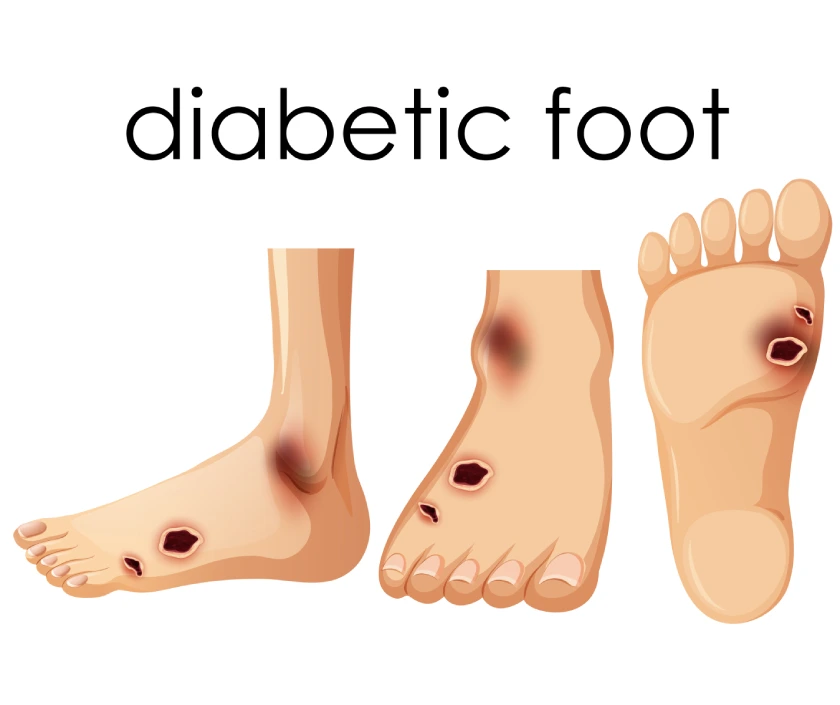
- Diabetic foot ulcers, varicose ulcers, or other nonhealing wounds
- Disfiguring or painful keloids and hypertrophic scars
- Pressure sores on the back, buttocks, or legs
- Infected surgical wounds, such as post-bypass sternal dehiscence
- Physical deformities or contractures limiting movement
- Tissue loss from tumour removal, trauma, or chronic infection
Types of Conditions and Treatments Offered:
General Plastic Surgery
- Filariasis and Lymphedema (Lower Limb/Scrotal)
Chronic swelling due to filariasis is treated with surgical debulking, fibrotic tissue excision, and skin grafting. This helps manage the complications of filariasis disease, especially when conservative therapy fails. - Pilonidal Sinus
Treated with excision followed by flap reconstruction (Z-plasty or Limberg flap) to ensure complete healing. Hair removal is advised to prevent recurrence. - Pressure Sores and Ulcers
Common in immobile patients, especially in sacral or trochanteric areas. Treated using flap coverage after infection control and wound preparation. - Cellulitis and Related Infections
Whether due to diabetes, trauma, or chemotherapy, cellulitis is managed through antibiotics, surgical debridement, and skin reconstruction to contain infection and restore skin health. - Non-healing Wounds
Chronic ulcers, such as diabetic, hypertensive, or varicose wounds, require wound bed preparation, infection control, and either grafting or flap-based reconstruction for long-term healing. - Soft Tissue Replacement
For large or complex wounds, soft tissue reconstruction may involve microvascular tissue transfer or free flap grafting using healthy tissue from elsewhere on the body. - Chest and Abdominal Wall Defects
Conditions like chest wall tumours or complex hernias may require abdominal wall reconstruction by experienced surgeons to restore stability and function. - Compartment Syndrome
Acute swelling in the leg or forearm compartments is treated by timely decompression surgery followed by soft tissue reconstruction. - Tumour Excision (Lipoma and Soft Tissue Tumours)
Surgical removal of benign soft tissue tumours like lipomas or connective tissue tumours, often followed by flap or graft for contour correction and functional recovery. - Infected Post-Surgical Wounds
Particularly common after cardiac bypass, infected chest wounds (like sternal dehiscence) require debridement and flap coverage to close defects and prevent complications. - Keloid and Hypertrophic Scar Treatment
Large or symptomatic scars are managed through surgical excision, intralesional corticosteroid injections, or laser therapy for keloids, helping restore comfort and appearance. - Lymphedema Management
Chronic limb swelling due to lymphatic damage is addressed with debulking surgery, compression protocols, and long-term limb care to reduce discomfort and infection risk.
Pre-Treatment Protocol
Before initiating treatment, our specialists at Elegance Clinic will conduct:
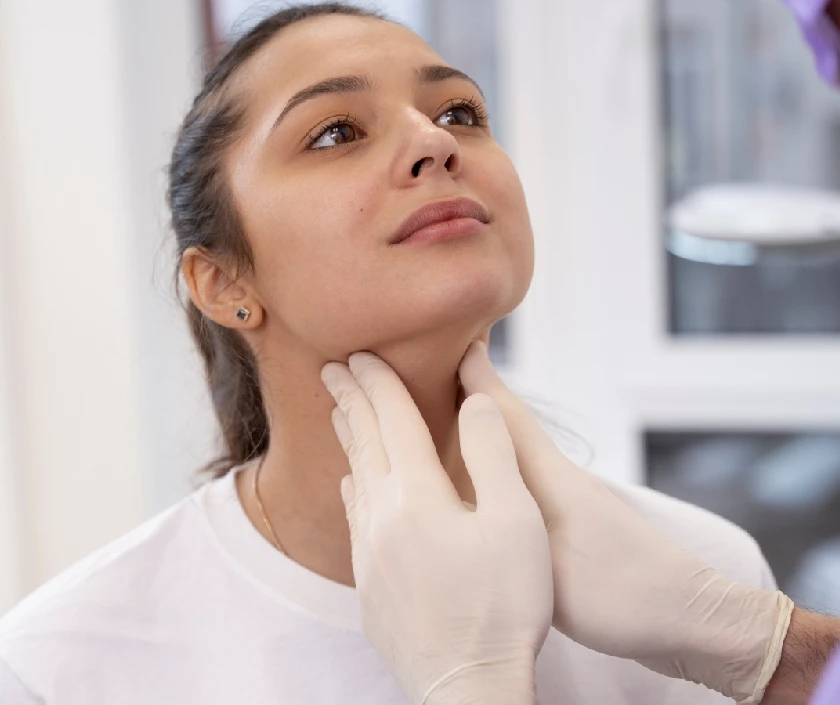
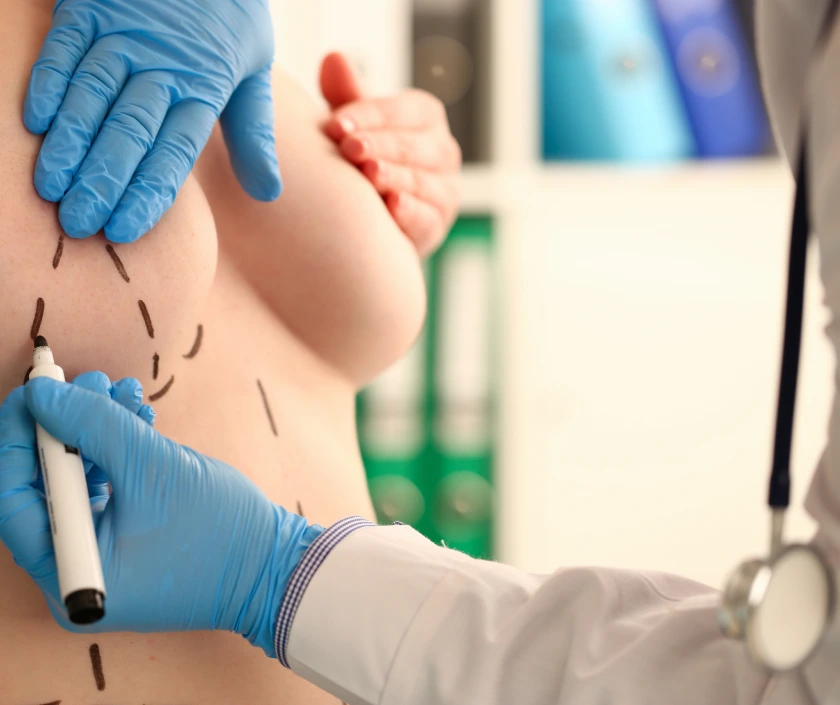
- Thorough physical examination of wounds, tumours, or deformities
- Imaging or tests (blood, Doppler, ultrasound, etc.)
- Review of previous treatments, comorbidities, and surgeries
- Pre-operative photography and documentation
- Discussion of treatment options – surgical vs. conservative
- Anaesthesia evaluation and pre-op medical clearance
Treatment Process: How We Treat General Plastic Surgery Cases
For Infections and Wounds:
- Surgical debridement to remove infected tissue
- Antibiotic management and wound care
- Skin grafts or flap reconstruction for coverage
For Tumours and Swellings:
- Complete surgical excision
- Tissue replacement using grafts or flaps, if needed
For Keloids and Scars:
- Excision followed by flap or skin graft
- Intralesional injections for scar suppression
- Laser therapy for hypertrophic scar remodelling
For Large Defects or Chronic Loss:
- Use of microvascular free flaps or composite tissue transfer
- Functional reconstruction for mobility and contour
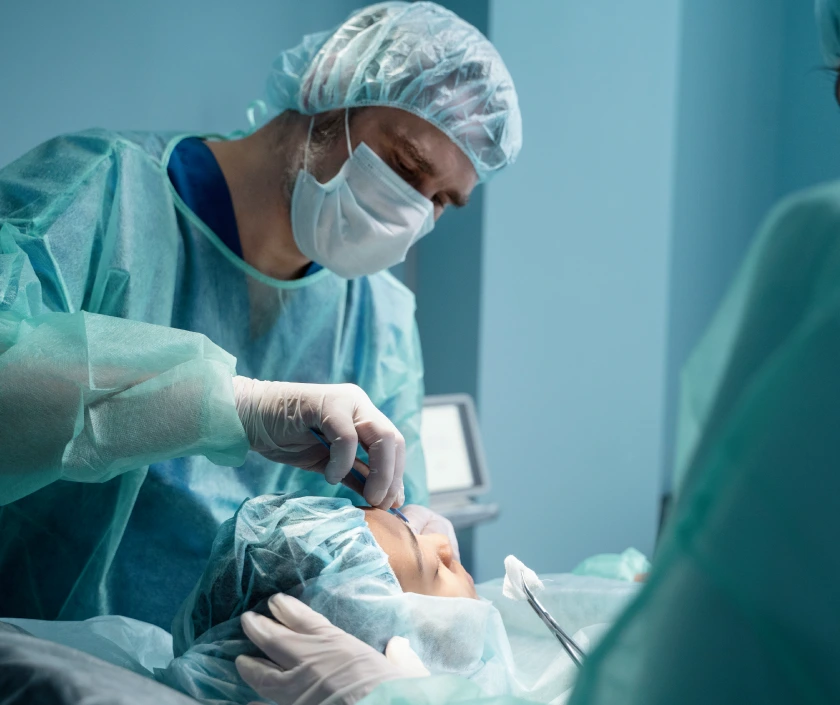
All surgeries are conducted by trained plastic and reconstructive surgeons using advanced microsurgical and wound-healing techniques.
Duration of Treatment
- Wound dressings: 1-3 weeks for infection control
- Minor surgeries: 1-2 hours per procedure
- Major reconstructions: Variable based on wound size and complexity
- Graft healing: 2-4 weeks post-op
- Scar/keloid therapy: May continue over 3-6 months
Clinical Considerations: Risks and Benefits
Possible Risks:
- Post-op infection
- Partial graft or flap failure
- Recurrence of keloid or hypertrophic scar
- Slower healing in diabetic or vascular patients
Benefits of Treatment:
- Restoration of lost or damaged soft tissue
- Pain relief and reduced infection risk
- Improved skin contour and function
- Enhanced cosmetic appearance and confidence
Aftercare Instructions
- Maintain dressing hygiene and avoid moisture
- Avoid trauma or pressure on the treated site
- Apply prescribed ointments or creams regularly
- Wear compression garments if indicated
- Attend all follow-up wound inspections
- Physiotherapy may be advised for mobility recovery
- Counselling or support in complex reconstructive cases
Recovery Timeline
- Simple wound recovery: 7-14 days
- Moderate reconstruction: 3-6 weeks
- Microvascular flap integration: 4-8 weeks
- Scar and keloid management: 6-12 months with follow-up care
When to Consult a Reconstructive Plastic Surgeon?
You should contact Elegance Clinic if you:
- Have non-healing wounds or chronic ulcers
- Struggle with painful or enlarging keloids
- Require treatment for soft tissue tumours or abnormal swellings
- Face complications like cellulitis, pressure sores, or surgical wound infections
- Need cosmetic or functional restoration after trauma or disease
- Are concerned about scars, deformities, or tissue loss
Hear from our patients
EXCELLENTTrustindex verifies that the original source of the review is Google. Dr. Ravi sir is best doctor and kind person . all the staff so good and humble. thanks to Nikita for good service .Posted on GoogleTrustindex verifies that the original source of the review is Google. I had been dealing with stubborn skin pigmentation for quite some time and was not seeing results from previous treatments. It was really affecting my confidence. After visiting Elegance Clinic and consulting Dr. Ravi Khambhati, I finally found the right solution. His treatment worked very well for me, and I can see a clear improvement in my skin tone and texture. What I appreciated most was how clearly he explained the cause of my pigmentation and guided me on proper skincare to avoid it in the future. His approach is honest, professional, and very patient-friendly. I am truly satisfied with my results and grateful to Dr. Ravi Khambhati for his excellent care. Highly recommended for anyone facing similar skin issues.Posted on GoogleTrustindex verifies that the original source of the review is Google. The doctor are very excellent and experienced.... The staff here is very supportive..... The output of operations here are very outstanding and remarkablePosted on GoogleTrustindex verifies that the original source of the review is Google. I have been to elegance now 4 times , kanchan has been the specialist who did my treatment not only is she very good but she makes you feel comfortable and makes sure that treatment goes well , must visit and do ask for herPosted on GoogleTrustindex verifies that the original source of the review is Google. Very good treatment sirPosted on GoogleTrustindex verifies that the original source of the review is Google. Thank you for such wonderful care and treatment. I am very satisfied with the results and appreciate the doctor’s guidance and support.Posted on GoogleTrustindex verifies that the original source of the review is Google. “Dr. Ashutosh was incredibly calm and reassuring—his gentle humming actually helped ease my anxiety. He handled everything with great skill and professionalism, and the entire medical team was equally supportive throughout the process.”Posted on GoogleTrustindex verifies that the original source of the review is Google. Had a great experience at Elegance Clinic, Adajan. Dr. Ravi and therapist Kanchan were extremely helpful, professional, and made me feel very comfortable throughout the process. Highly recommend!Posted on GoogleTrustindex verifies that the original source of the review is Google. I recently underwent a hair transplant procedure at Elegance Clinic, and my experience has been highly satisfactory. It has been 10 days since the procedure, and my first post-transplant hair wash was conducted very professionally. I sincerely appreciate the expertise and guidance of Dr. Chetan, Bhargav bhai, and Dr. Ashutosh Shah. The entire team is courteous, attentive, and well-trained. The clinic maintains excellent cleanliness standards, and the OT hygiene is particularly impressive, ensuring a safe and comfortable environment. I would confidently recommend Elegance Clinic to anyone considering a hair transplant.
Contact Us
Ready to discuss? Fill out our contact form for a confidential consultation.
FAQ
What is the difference between plastic surgery and general surgery?
Plastic surgery primarily focuses on the reconstruction or repair of skin, soft tissues, and other external structures following injury, infection, or congenital issues. In contrast, general surgery deals with operations on internal organs such as the intestines, stomach, or gallbladder.
What is the difference between normal surgery and plastic surgery?
While general or “normal” surgery addresses essential internal organ systems, plastic surgery is dedicated to restoring both the appearance and function of the body’s external parts. This includes procedures to treat burns, scars, deformities, and soft tissue damage.
Which is the most common plastic surgery?
Common reconstructive plastic surgeries include keloid removal, lipoma excision, scar revision, and chronic wound coverage. These procedures are typically done for medical reasons and improve both form and function.
What are the two types of plastic surgery?
The two types of Plastic Surgery are:
Reconstructive surgery (medical necessity)
Cosmetic surgery (aesthetic improvement)
Is plastic surgery painful?
No, modern techniques use anaesthesia and effective pain management to minimise discomfort.
What comes under general surgery compared to plastic surgery?
General surgery: Hernia repair, appendectomy, gallbladder removal.
Plastic surgery: Wound reconstruction, scar correction, soft tissue tumours.