

✓ Medically reviewed by Dr. Ashutosh Shah, Plastic, Reconstructive & Cosmetic Surgeon (M.Ch., DNB)
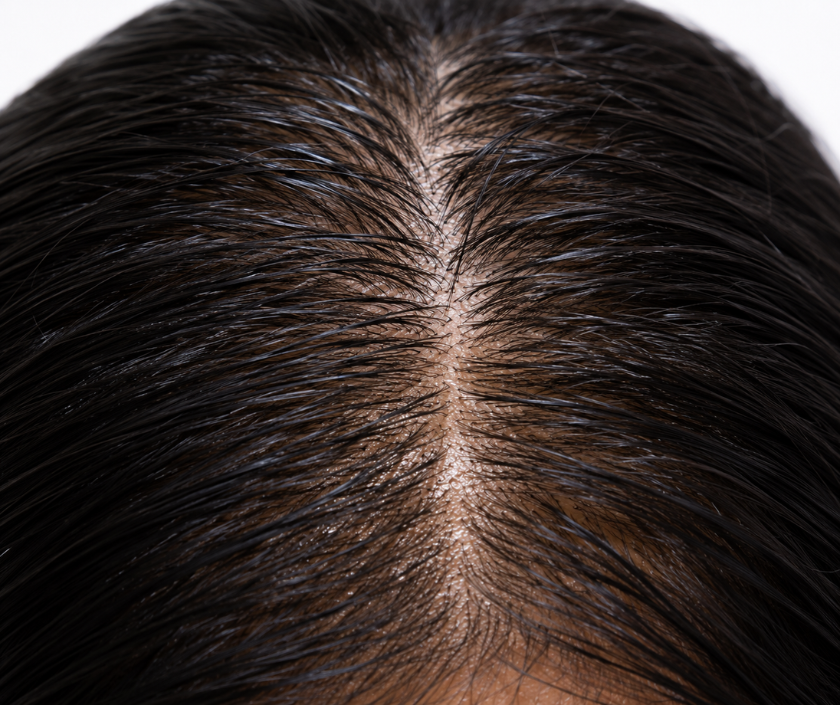
Oily Scalp Management focuses on controlling excess sebum production, reducing scalp discomfort, and maintaining a healthy scalp environment. An oily scalp can contribute to dandruff, itching, unpleasant odor, clogged hair follicles, and increased hair shedding if left untreated.
At Elegance Clinic in Adajan, Surat, Dr. Ashutosh Shah provides personalized treatment plans to identify the underlying cause of excess scalp oil and recommend the most suitable management approach.
Early treatment helps improve scalp health and supports healthier hair growth.
What Is an Oily Scalp?
An oily scalp occurs when the sebaceous glands produce excess sebum, making the scalp and hair appear greasy shortly after washing. While sebum helps protect the scalp and hair, excessive oil production may lead to irritation, dandruff, follicle blockage, and other scalp concerns.
A professional evaluation helps determine whether the condition is related to hormones, lifestyle, scalp disorders, or other medical factors.
What Causes an Oily Scalp?
Several factors can increase scalp oil production.
Common causes include:
- Overactive sebaceous glands
- Hormonal changes
- Genetics
- Hot and humid weather
- Stress
- Frequent touching of the hair
- Inappropriate hair care products
- Infrequent shampooing
- Seborrheic dermatitis
- Poor scalp hygiene
Common Symptoms
You may notice:
- Greasy scalp
- Oily hair soon after washing
- Sticky hair texture
- Persistent dandruff
- Scalp itching
- Unpleasant scalp odor
- Clogged hair follicles
- Increased hair shedding
How Is an Oily Scalp Diagnosed?
At Elegance Clinic, diagnosis begins with a comprehensive scalp evaluation.
The assessment may include:
- Medical history review
- Clinical scalp examination
- Hair and scalp analysis
- Digital scalp assessment
- Evaluation of sebum production
- Review of hair care routine
- Assessment for scalp disorders
- Personalized treatment planning
The goal is to identify contributing factors and create an effective management plan.
Oily Scalp Management Options
Treatment is customized according to your scalp condition.
Management may include:
- Medicated shampoos
- Sebum-control treatments
- Scalp cleansing therapy
- Treatment for dandruff or seborrheic dermatitis
- Personalized hair care recommendations
- Lifestyle and dietary guidance
- Scalp hygiene education
- Regular follow-up care
Benefits of Professional Oily Scalp Management
- Controls excess oil production
- Reduces dandruff and itching
- Keeps the scalp cleaner
- Improves scalp comfort
- Supports healthy hair follicles
- Reduces unpleasant odor
- Promotes healthier hair growth
- Helps prevent recurring scalp problems
Why Choose Elegance Clinic?
Patients choose Elegance Clinic because of:
- Comprehensive scalp evaluation
- Personalized treatment plans
- Advanced scalp analysis
- Evidence-based therapies
- Experienced care by Dr. Ashutosh Shah
- Individualized follow-up
- Modern scalp care solutions
- Patient-centered approach
Book Your Oily Scalp Consultation in Surat
If your scalp becomes greasy quickly, feels itchy, or is associated with dandruff or hair shedding, consult Dr. Ashutosh Shah at Elegance Clinic in Adajan, Surat.
A detailed scalp assessment can identify the cause and help you achieve long-term scalp balance and healthier hair.
Frequently Asked Questions
Having doubts and questions? These are few questions our customers normally ask us!
What causes an oily scalp?
An oily scalp is commonly caused by overactive sebaceous glands, hormonal changes, genetics, stress, humid weather, or certain scalp conditions.
Can an oily scalp lead to hair loss?
Excess oil itself does not directly cause hair loss, but clogged follicles and associated scalp conditions may contribute to increased hair shedding.
How is an oily scalp treated?
Treatment may include medicated shampoos, scalp cleansing therapies, sebum-control treatments, and personalized hair care recommendations based on the underlying cause.
How often should I wash oily hair?
The ideal frequency depends on your scalp condition. Your doctor can recommend a hair care routine that controls excess oil without causing scalp irritation.
When should I consult a scalp specialist?
You should seek professional evaluation if excess scalp oil is persistent, associated with itching, dandruff, odor, or increased hair fall despite regular hair care.

