

✓ Medically reviewed by Dr. Ashutosh Shah, Plastic, Reconstructive & Cosmetic Surgeon (M.Ch., DNB)
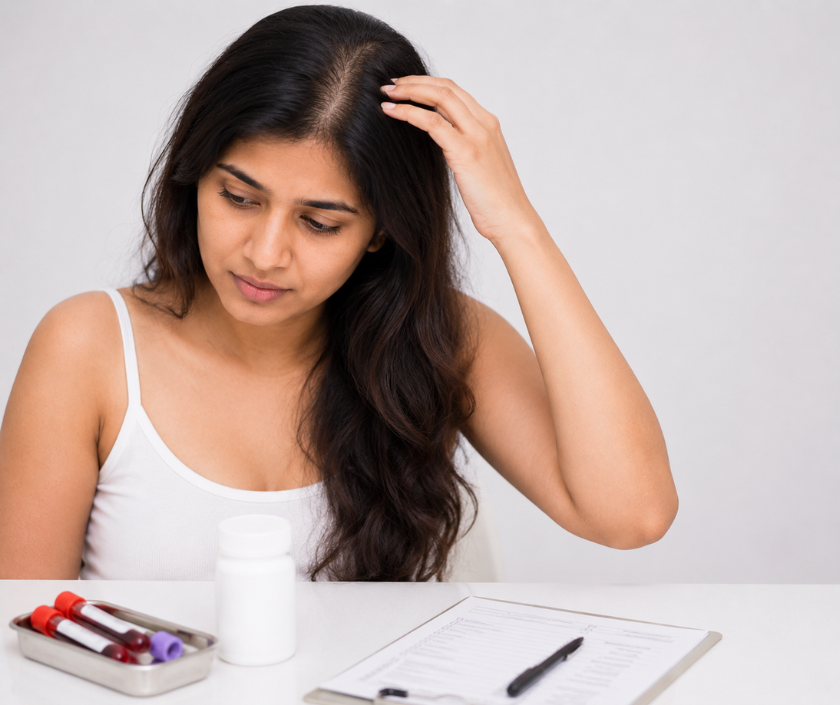
Hair Loss Due to Hormonal Imbalance occurs when changes in hormone levels disrupt the normal hair growth cycle, leading to excessive hair shedding, thinning, or reduced hair density. Hormonal changes can affect both men and women and may result from thyroid disorders, menopause, Polycystic Ovary Syndrome (PCOS), pregnancy, or other endocrine conditions. At Elegance Clinic in Adajan, Surat, Dr. Ashutosh Shah provides a detailed evaluation to identify hormone-related hair loss and create a personalized treatment plan.
Early diagnosis helps address the underlying hormonal imbalance and supports healthier hair growth.
What Is Hair Loss Due to Hormonal Imbalance?
Hair Loss Due to Hormonal Imbalance develops when fluctuations in hormones interfere with the hair growth cycle. Depending on the cause, hair may become thinner, shed excessively, or stop growing normally.
At Elegance Clinic, every patient receives a comprehensive hair and scalp assessment along with an evaluation of hormonal and medical factors that may contribute to hair loss.
What Causes Hormonal Hair Loss?
Several hormonal conditions can contribute to hair loss, including:
- Polycystic Ovary Syndrome (PCOS)
- Thyroid disorders
- Menopause
- Pregnancy and postpartum hormonal changes
- Androgen imbalance
- Elevated DHT levels
- Hormonal medications
- Adrenal gland disorders
- Pituitary gland disorders
- Age-related hormonal changes
Identifying the exact cause helps guide the most appropriate treatment.
Symptoms of Hormonal Hair Loss
Common symptoms include:
- Gradual hair thinning
- Excessive daily hair shedding
- Widening of the hair part
- Receding hairline
- Reduced hair density
- Slow hair regrowth
- Hair loss after pregnancy
- Hair thinning associated with irregular menstrual cycles or menopause
These symptoms may vary depending on the underlying hormonal condition.
How Is Hormonal Hair Loss Diagnosed?
At Elegance Clinic, diagnosis may include:
- Detailed medical history
- Hair and scalp examination
- Trichoscopy
- Laboratory evaluation
- Hormonal profile assessment
- Thyroid function tests
- Nutritional evaluation when required
A thorough evaluation helps identify hormonal abnormalities and develop a personalized treatment plan.
How Is Hair Loss Due to Hormonal Imbalance Treated?
Treatment focuses on managing the underlying hormonal condition while supporting healthy hair growth.
Your personalized treatment plan may include:
- Treatment of the hormonal imbalance
- Laboratory-guided medical management
- Minoxidil Therapy
- Oral hair growth medications
- PRP Hair Therapy
- Growth Factor Therapy (GFC)
- Mesotherapy
- Nutritional guidance
- Hair Growth Maintenance Therapy
- Regular follow-up appointments
Your doctor will recommend the most suitable treatment based on your diagnosis.
Benefits of Early Treatment
- Helps reduce excessive hair shedding
- Supports healthy hair regrowth
- Addresses the underlying hormonal cause
- Improves hair density
- Preserves existing hair
- Promotes scalp health
- Supports long-term hair maintenance
- Improves overall hair quality
Why Choose Elegance Clinic?
Patients choose Elegance Clinic because of:
- Comprehensive hair loss evaluation
- Hormonal assessment when indicated
- Personalized treatment plans
- Advanced hair and scalp analysis
- Experienced care by Dr. Ashutosh Shah
- Evidence-based therapies
- Long-term follow-up support
- Patient-centered care
Book Your Consultation in Surat
If you are experiencing persistent hair thinning, excessive hair shedding, or hair loss associated with hormonal changes, consult Dr. Ashutosh Shah at Elegance Clinic in Adajan, Surat.
A detailed evaluation can identify the underlying hormonal cause and help you begin the most appropriate treatment for healthier, stronger hair.
Frequently Asked Questions
Having doubts and questions? These are few questions our customers normally ask us!
Can hormonal imbalance cause hair loss?
Yes. Hormonal changes can disrupt the hair growth cycle and lead to excessive hair shedding, thinning, or reduced hair density in both men and women.
Which hormonal conditions commonly affect hair growth?
Conditions such as PCOS, thyroid disorders, menopause, pregnancy-related hormonal changes, and increased DHT levels are common causes of hormone-related hair loss.
How is hormone-related hair loss diagnosed?
Your doctor may recommend a scalp examination, trichoscopy, blood tests, and hormone profile assessments to identify the underlying cause.
Can hair grow back after treating the hormonal imbalance?
Many people experience improved hair growth after managing the underlying hormonal condition. Results depend on the cause, duration of hair loss, and individual response to treatment.
When should I consult a hair specialist?
You should seek medical advice if you notice persistent hair thinning, excessive shedding, changes in your menstrual cycle, hair loss after pregnancy, or symptoms of a thyroid or hormonal disorder.

