
Skip to content Skip to sidebar Skip to footer

Testosterone Replacement Therapy: Benefits, Risks, and Who Needs It

Testosterone treatment
Getting your Trinity Audio player ready...

Testosterone replacement therapy (TRT), often referred to simply as testosterone treatment, is increasingly sought by men looking to improve energy, vitality, and overall well-being. But knowing who truly benefits, understanding the testosterone therapy side effects, and spotting early signs of high testosterone in a man can ensure smarter, safer outcomes.

What Is Testosterone Replacement Therapy?

Testosterone Replacement Therapy (TRT) is a medical treatment where external testosterone is administered to men with clinically low levels of the hormone, often due to conditions like hypogonadism or pituitary disorders. The goal is to restore normal testosterone levels and alleviate symptoms caused by deficiency.

Approved by regulatory bodies like the FDA only for men with medically confirmed low testosterone (typically <300 ng/dL on two separate tests plus symptoms), TRT is available through various formats – gels, injections, patches, pellets, buccal tablets, nasal gel, or pills 

Signs You Might Need Testosterone Therapy

Before considering testosterone treatment for men, it’s important to recognise the signs that TRT may be necessary:

  • Low libido or erectile dysfunction
  • Chronic fatigue or low energy levels
  • Loss of muscle mass or increased body fat
  • Low mood, depression, or poor concentration
  • Decreased bone density (osteopenia/osteoporosis)
  • Reduced red blood cell count or anaemia
  • For some individuals on TRT, monitor for signs of high testosterone in a man, including excessive acne, increased irritability, Edema (fluid retention), elevated red blood cell count, or sleep-disordered breathing.

A hormone evaluation is typically required before treatment begins.

Different Types of TRT Methods

Men may use several delivery systems depending on their needs and preferences:

  • Gels or creams: Applied daily to shoulders or upper arms; requires caution to avoid skin-to-skin transfer.
  • Patches: Applied on the skin daily, with rotation to prevent irritation.
  • Injections: Administered intramuscularly or subcutaneously every 1–3 weeks, depending on formulation.
  • Pellets: Implanted under the skin, releasing hormones over 3–6 months.
  • Nasal gel: Applied multiple times per day, delivering steady dosing.
  • Buccal tablets/oral pills: Adhesive gum tablets or pills – less common and with variable liver metabolism.

Each method affects testosterone absorption and convenience differently; your healthcare provider will help select the best fit.

Benefits of Testosterone Replacement Therapy

When used appropriately, TRT offers several testosterone booster benefits in men with a deficiency:

  1. Enhanced Libido & Erectile Function
    Many men experience improved sexual desire and performance.
  2. Increased Lean Muscle Mass & Strength
    Restoring muscle bulk and physical performance.
  3. Better Bone Density
    Helps in the prevention of osteoporosis by strengthening bones.
  4. Improved Mood & Cognition
    May reduce depression, boost focus, and enhance quality of life.
  5. Higher Energy & Vitality
    Recovery from persistent fatigue and improved daily functioning.
  6. Metabolic Health
    TRT can enhance insulin sensitivity, reduce visceral fat, and improve lipid profiles.
  7. Better Red Blood Cell Production
    Helps alleviate anemia and boosts oxygen-carrying capacity.

Potential Risks and Side Effects of TRT

While testosterone treatment for men can be transformative, it does carry testosterone therapy side effects that should not be ignored:

  • Skin issues (acne, irritation, oily skin) 
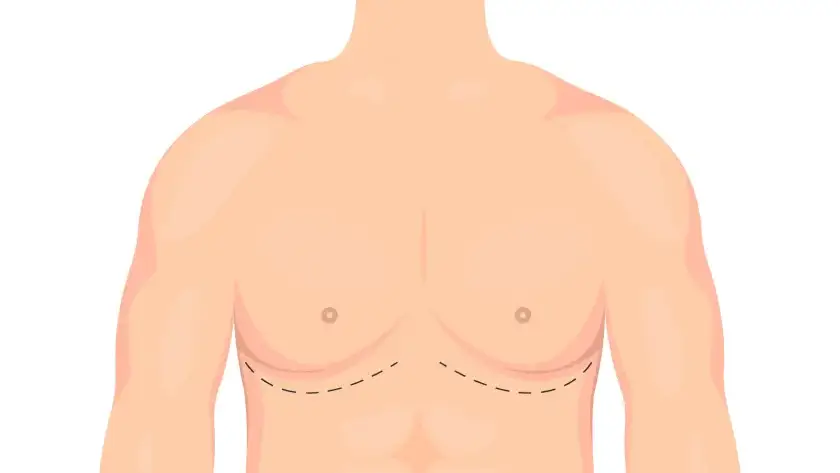
  • Gynecomastia (male breast enlargement) due to hormonal shifts.
  • Polycythemia (high red blood cell count) increases clot risk.
  • Suppressed sperm production and fertility, are important for men still planning families.
  • Worsening sleep apnea or cardiovascular conditions.
  • Prostate enlargement or accelerated prostate cancer growth; PSA should be regularly monitored.
  • Edema (fluid retention) and mild ankle swelling.

Additionally, TRT may elevate the risk of blood clots, heart attacks, and strokes, especially in older men or those with existing conditions. These risks underscore the need for ongoing medical supervision

Conclusion

Testosterone Replacement Therapy can be a powerful tool for men suffering from hypogonadism, with benefits like improved libido, muscle strength, energy, mood, and bone health. However, it carries testosterone therapy side effects that require attention.

  • Consult a doctor if you experience symptoms like low sex drive, chronic fatigue, or unexplained muscle loss.
  • Undergo blood tests to confirm low testosterone levels.
  • Discuss TRT options – gels, injections, patches, pellets, or nasals.
  • Ensure regular monitoring of hormone levels, blood counts, prostate markers, and heart health.
  • Reassess fertility goals, as TRT can reduce sperm production – consider alternatives if planning for children.

By balancing the testosterone booster benefits with careful tracking of side effects, TRT can safely support men in reclaiming vitality and quality of life.

Elegance clinic, Surat
Hear from our patients
Elegance clinic, Surat

Why Are We the Best?

0
Services
0
Doctors
0
Years
0
Centers

FAQs

Testosterone Replacement Therapy (TRT) – via gels, injections, or patches, is the most effective for men with low testosterone. The best method depends on symptoms, age, and fertility goals.

Exercise, sleep well, eat healthy fats and proteins, reduce stress, and maintain a healthy weight. Medical options include TRT or medications like Clomiphene under doctor’s supervision.

Oysters, tuna, leafy greens, eggs, nuts, seeds, and pomegranates help boost testosterone by supplying zinc, Vitamin D, and healthy fats.

No, TRT doesn’t increase penis size in adults, but it can enhance muscle mass, reduce fat, and improve overall physique.

TRT boosts energy, libido, muscle strength, bone density, and mood in men with low testosterone, but it must be monitored for side effects.

Dr.ashutosh-shah-min (1)
Dr. Ashutosh Shah

M.B., M.S., M. Ch. D.N.B. Board Certified Plastic Surgeon and a Director of Elegance Clinic

A Navsari city native, Dr. Ashutosh Shah settled in Surat, Gujarat to establish his cosmetic and plastic surgery practice in 2004.

Now, Just a WhatsApp Away!

Elegance Clinic is now more accessible than ever! With our dedicated WhatsApp service at +91 76980 46805, getting in touch with us for any queries or concerns is just a message away. Experience the convenience and ease of our WhatsApp features:

Reach out today for a seamless journey towards wellness and beauty!

You May also like to Read