

|
Getting your Trinity Audio player ready...
|
✓ Medically reviewed by Dr. Ashutosh Shah, Plastic, Reconstructive & Cosmetic Surgeon (M.Ch., DNB)
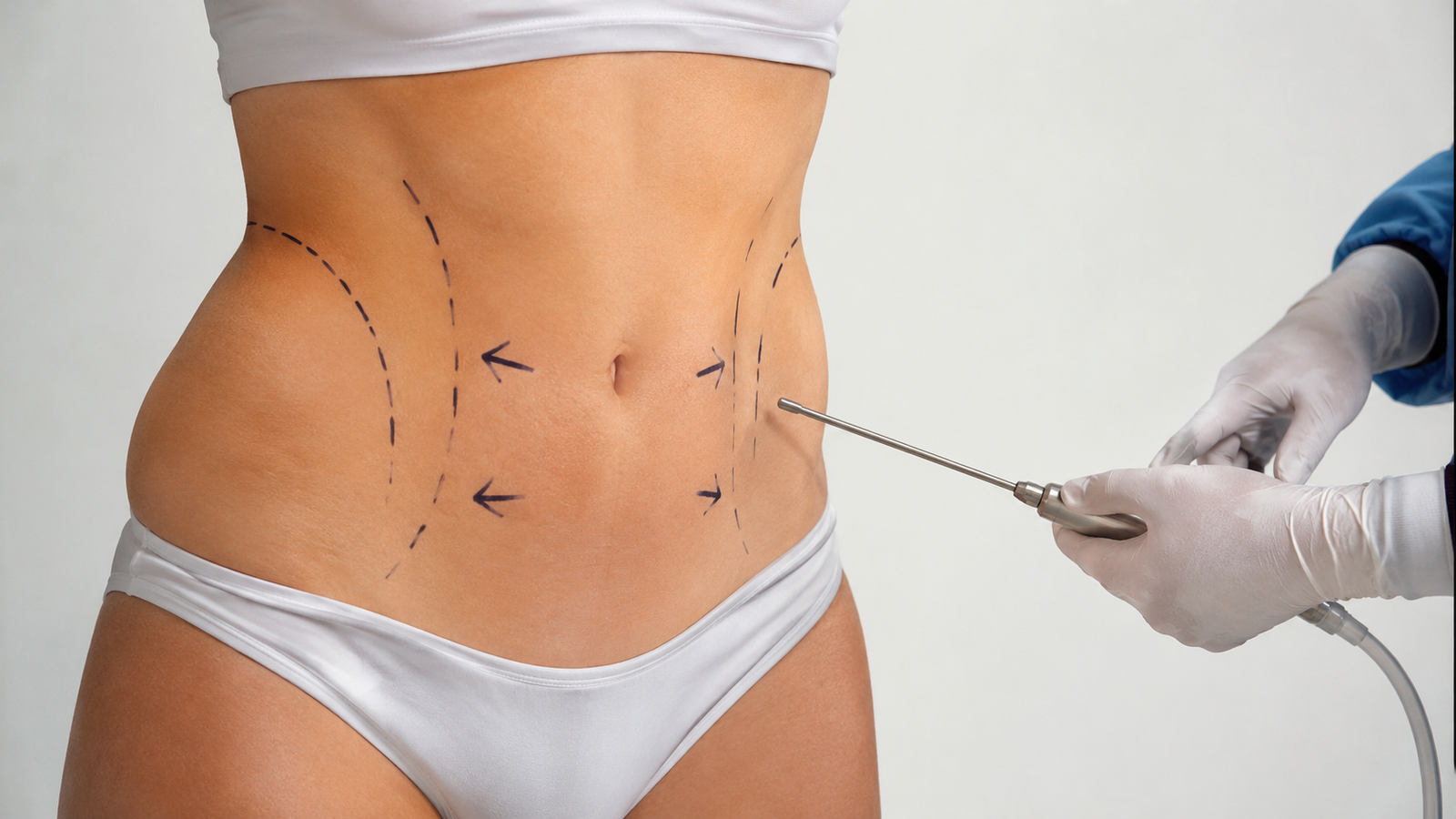
Liposuction is generally safe for appropriately selected patients when a qualified surgeon performs it in a suitably equipped facility. However, every operation carries risks. Temporary swelling, bruising and discomfort are common, while serious complications are less common but potentially dangerous. Understanding liposuction risks, recognizing warning signs and following postoperative instructions helps patients make informed decisions.
At Elegance Clinic, Dr. Ashutosh Shah, a plastic, reconstructive and cosmetic surgeon, discusses surgical suitability, possible complications and recovery expectations during consultation.
This guide explains common side effects, serious complications, safety precautions and symptoms that require medical attention.
Which Side Effects Are Common and Temporary?
Most patients experience some temporary changes after liposuction. However, the severity and duration depend on the treatment area, surgical technique and individual healing.
Understanding common liposuction risks helps patients distinguish expected recovery symptoms from warning signs.
Swelling
Swelling is common because surgery temporarily affects the treated tissues.
Initially, the area may appear larger or feel firm. However, swelling generally decreases as healing progresses.
Bruising
Bruising may develop around the treatment area because small blood vessels can be affected during surgery.
The colour and extent of bruising vary between patients.
Usually, bruising gradually fades, although persistent or worsening changes require assessment.
Pain and discomfort
Mild to moderate soreness, tenderness and tightness may occur during recovery.
The surgeon may prescribe appropriate pain medication and recommend compression garments.
However, severe or increasing pain should not be ignored.
Temporary numbness
Some patients experience altered skin sensation, including tingling or numbness.
Sensation may improve gradually, although persistent sensory changes can occur.
Therefore, report prolonged or worsening numbness during follow-up appointments.
Uneven contours
Swelling can temporarily create an uneven appearance.
Nevertheless, persistent asymmetry, irregular contours or loose skin may remain after healing and sometimes require further treatment.
Patients considering abdominal contouring can read our guide to reduce stubborn abdominal fat with safe belly fat removal treatment to understand the importance of choosing an appropriate treatment.
Liposuction Risk Table: Common and Serious Complications
| Side effect or complication | How common? | How long? | What to do |
|---|---|---|---|
| Swelling | Common | [Doctor to confirm] | Follow compression and recovery instructions |
| Bruising | Common | [Doctor to confirm] | Monitor gradual improvement |
| Discomfort | Common | [Doctor to confirm] | Take prescribed medication |
| Temporary numbness | Can occur | [Doctor to confirm] | Report persistent changes |
| Contour irregularities | Can occur | May persist | Discuss during follow-up |
| Infection | Less common | Varies | Seek prompt medical assessment |
| Bleeding or haematoma | Less common | Varies | Contact the surgical team promptly |
| Blood clots | Uncommon but serious | May develop during recovery | Seek urgent medical care |
| Fat embolism | Rare but serious | Can occur around surgery | Seek emergency care |
| Fluid overload or organ injury | Rare but serious | Varies | Requires emergency assessment |
Exact complication rates depend on patient factors and procedure details. [Doctor to approve any numerical frequencies or recovery estimates before publication.]
Which Complications Are Rare but Important?
Although many patients recover without major problems, some liposuction risks involve serious medical complications.
Infection
Infection can develop when bacteria enter a surgical wound.
Warning signs may include increasing redness, warmth, pain, fever or unusual discharge.
Early medical assessment is important because untreated infection can worsen.
Bleeding and fluid collections
Bleeding beneath the skin may produce a haematoma. Fluid can also collect in the treated area, forming a seroma.
Depending on severity, these problems may require observation, drainage or further treatment.
Blood clots
Deep vein thrombosis occurs when a blood clot forms in a deep vein, commonly in the leg.
A clot can sometimes travel to the lungs and cause a pulmonary embolism.
Symptoms such as sudden breathing difficulty, chest pain or fainting require emergency medical care.
Fat embolism
Rarely, fat particles may enter the circulation and cause serious complications.
Fat embolism is a medical emergency and requires immediate hospital assessment.
Organ injury and anaesthesia complications
Rare complications can include injury to deeper structures, fluid imbalance, adverse reactions to anaesthesia or serious heart and lung problems.
Therefore, proper patient selection, qualified surgical care and appropriate monitoring are essential.
The American Society of Plastic Surgeons (ASPS) provides patient information about liposuction safety and potential complications.
How Are Risks Reduced Before and During Treatment?
Reducing liposuction risks begins before the operation.
First, the surgeon reviews the patient’s medical history, current medications and previous surgical procedures.
Next, the team evaluates whether the patient is medically suitable for anaesthesia and surgery.
Preoperative medical assessment
Depending on individual needs, investigations may include blood tests and additional examinations.
Patients should disclose diabetes, cardiovascular conditions, bleeding disorders, allergies and other relevant medical problems.
Smoking and medication review
Smoking and nicotine exposure can impair healing and increase certain surgical risks.
Additionally, some medicines and supplements may affect bleeding or anaesthesia.
Therefore, discuss every medication with your surgeon. Never stop prescribed treatment without medical advice.
Appropriate surgical planning
The surgeon should assess the amount of fat to remove, treatment areas and overall health.
Importantly, removing excessive amounts of fat can increase complications.
The objective should be safe body contouring rather than maximum fat removal.
Postoperative instructions
After surgery, patients should follow advice about compression garments, gentle movement, wound care and follow-up appointments.
These precautions help support recovery, although they cannot eliminate every complication.
Patients comparing techniques can also read laser vs power fat removal to understand why equipment choice alone does not determine surgical safety.
How Do You Check a Doctor’s Qualifications?
A surgeon’s training and experience matter when evaluating liposuction risks.
Before proceeding, patients should verify professional registration, relevant plastic surgery qualifications and experience with the proposed procedure.
Additionally, ask about the operating facility, anaesthesia arrangements and emergency support.
Questions worth asking
- What qualifications and surgical training do you hold?
- How frequently do you perform this procedure?
- Where will the operation take place?
- Who will administer anaesthesia?
- How are emergencies and complications managed?
- What postoperative follow-up is provided?
At Elegance Clinic, patients can discuss these questions with Dr. Ashutosh Shah during their consultation.
For upper-arm concerns, the article on arms saggy fat removal also explains why fat removal and skin tightening are different treatment considerations.
Planning Liposuction in Bharuch: What Safety Questions Matter?
Patients researching liposuction in bharuch should compare more than the advertised price or technique.
For example, ask whether the surgeon performs a complete medical assessment and explains possible complications before surgery.
If treatment requires travelling to another location, confirm how long you must remain near the surgical facility.
Additionally, establish who will provide postoperative support after you return home.
A clear emergency contact plan is especially important for patients travelling after surgery.
Patients exploring different surgical categories may also consult the book ftm chest surgery surat guide for information about a separate chest surgery procedure. Its eligibility, techniques and risks differ from cosmetic liposuction.
Which Signs After Treatment Need Urgent Attention?
Recognizing warning signs is an important part of managing liposuction risks.
Contact your surgeon promptly if you experience increasing swelling, worsening pain, fever, spreading redness or unusual wound discharge.
However, certain symptoms require emergency medical attention.
These include sudden chest pain, severe breathing difficulty, fainting, coughing blood or significant uncontrolled bleeding.
A painful, swollen leg may also indicate a blood clot and requires urgent assessment.
Do not wait for a routine follow-up appointment when serious symptoms appear.
Frequently Asked Questions
1. What are the common side effects?
Common liposuction side effects include swelling, bruising, tenderness, temporary numbness and discomfort around the treated area. These symptoms often improve during recovery, although their duration varies. Patients should follow postoperative instructions and contact their surgeon if pain, swelling or wound changes become progressively worse.
2. How rare are serious complications?
Serious liposuction risks are less common than temporary swelling or bruising, but they can be life-threatening. Examples include blood clots, fat embolism, major infection and organ injury. Individual risk depends on health, procedure extent and surgical circumstances. [Doctor to approve any published numerical complication rates.]
3. Which tests are done before treatment?
Preoperative testing depends on medical history, age, existing conditions and the planned procedure. A surgeon may request blood investigations and additional assessments when indicated. The anaesthesia team may also evaluate medical fitness. Patients should disclose medications, allergies and previous complications. [Doctor to confirm the clinic’s required tests.]
4. Who should not have this procedure?
Patients with uncontrolled medical conditions, significant anaesthesia risks or unrealistic expectations may not be suitable candidates. Liposuction is also not an obesity treatment. Anyone considering liposuction in bharuch should undergo an individual assessment to determine whether surgery is appropriate and whether health concerns require treatment first.
5. What should I do if swelling increases suddenly?
Sudden or rapidly increasing swelling after liposuction requires prompt medical assessment, particularly when accompanied by severe pain, redness or bleeding. Contact your surgical team immediately. If swelling occurs with chest pain, breathing difficulty, fainting or other serious symptoms, seek emergency care rather than waiting for a scheduled appointment.
Conclusion
Understanding liposuction risks helps patients make informed decisions about cosmetic body-contouring surgery.
Although swelling, bruising and temporary discomfort are common, serious complications can occur and require careful prevention and early recognition.
Therefore, choose a qualified surgeon, discuss your medical history openly and follow postoperative instructions.
At Elegance Clinic, Dr. Ashutosh Shah can assess individual suitability and explain the potential benefits, limitations and complications of liposuction.
