

|
Getting your Trinity Audio player ready...
|
✓ Medically reviewed by Dr. Ashutosh Shah, Plastic, Reconstructive & Cosmetic Surgeon (M.Ch., DNB)
Dr. Ashutosh Shah, M.Ch., DNB (Plastic Surgery)
Director, Elegance Clinic, Surat
Dr. Ashutosh Shah is a Board-Certified Plastic, Cosmetic & Reconstructive Surgeon with over 22 years of experience in cosmetic, reconstructive, and body contouring procedures. At Elegance Clinic, he provides personalized treatment plans using advanced surgical techniques with a strong focus on patient safety, natural-looking results, and comprehensive post-operative care.
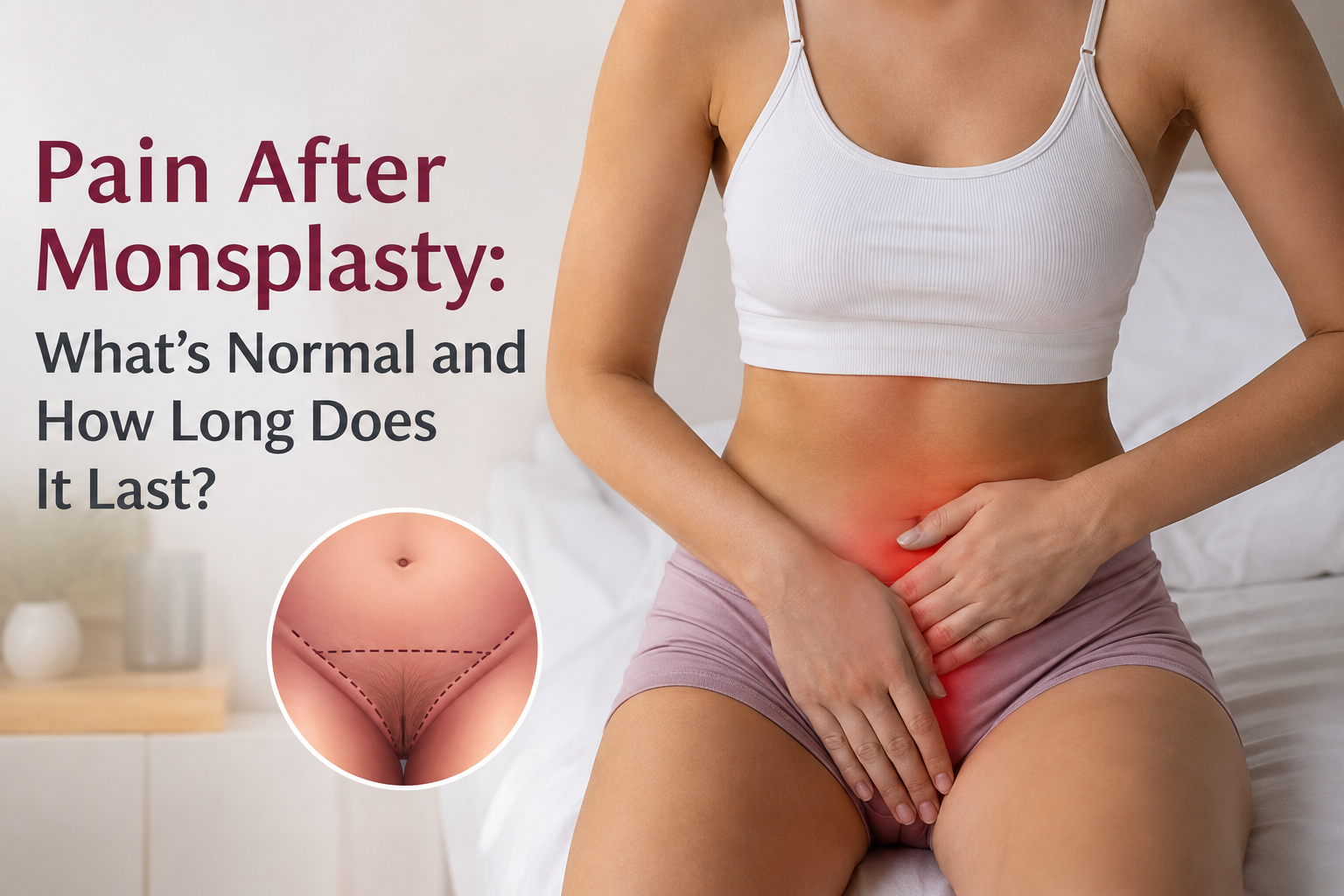
Pain after monsplasty is a common concern for patients considering or recovering from surgery. While mild to moderate discomfort is expected during the initial healing period, understanding what is normal—and what may require medical attention—can help you recover with confidence.
Monsplasty is a cosmetic and reconstructive procedure that removes excess fat and loose skin from the mons pubis (the fatty area above the pubic bone). It is often performed after significant weight loss, pregnancy, aging, or as part of body contouring procedures such as abdominoplasty. The surgery can improve comfort, clothing fit, hygiene, and body confidence.
Like any surgical procedure, monsplasty involves a recovery period. Most patients experience temporary pain, swelling, bruising, and tightness, all of which gradually improve as healing progresses. With proper post-operative care and guidance from an experienced plastic surgeon, recovery is usually smooth and complications are uncommon.
At Elegance Clinic, every monsplasty procedure is tailored to the patient’s anatomy, goals, and overall health. Advanced surgical techniques and personalized aftercare help maximize comfort while supporting natural-looking results.
Key Takeaways
- Mild to moderate pain is a normal part of monsplasty recovery.
- Most discomfort improves significantly during the first one to two weeks.
- Swelling, bruising, and tightness are temporary and gradually resolve.
- Following your surgeon’s aftercare instructions supports faster healing.
- Persistent or worsening pain should be evaluated promptly.
What Is Monsplasty?
Monsplasty, also called mons pubis reduction or pubic lift surgery, is a procedure that reshapes the fatty tissue and excess skin over the pubic area. Depending on your needs, the surgery may involve removing excess fat, tightening skin, or combining both techniques to achieve a smoother body contour.
Patients commonly choose monsplasty to:
- Reduce excess tissue in the mons pubis
- Improve body proportions
- Relieve discomfort caused by enlarged tissue
- Improve clothing fit
- Enhance confidence
- Complement tummy tuck or liposuction procedures
Because the procedure involves skin and soft tissue surgery, some discomfort during healing is expected.
Is Pain After Monsplasty Normal?
Yes. Mild to moderate pain after monsplasty is completely normal during the early recovery period.
Most patients experience:
- Mild soreness
- Tenderness around the incision
- Swelling
- Bruising
- Tightness when standing upright
- Mild discomfort while walking or sitting
Pain is generally most noticeable during the first 48 to 72 hours after surgery and gradually decreases over the following days.
Your surgeon will usually prescribe pain medication and provide recovery instructions to help keep you comfortable.
What Does Monsplasty Pain Feel Like?
Every patient heals differently, but monsplasty pain is commonly described as:
- Soreness
- Tightness
- Mild burning around the incision
- Tenderness when touched
- Pressure caused by swelling
- Mild pulling sensation during movement
These sensations are part of the normal healing process and typically improve each week.
Severe or worsening pain is not considered normal and should be discussed with your surgeon.
What Causes Pain After Monsplasty?
Several factors contribute to discomfort during recovery.
Surgical Incisions
The incision creates a temporary wound that naturally causes tenderness while tissues heal.
Swelling
Inflammation is the body’s normal healing response. Swelling places pressure on surrounding tissues, creating discomfort that gradually subsides.
Tissue Tightening
If excess skin is removed, the remaining tissues are tightened to create a smoother contour. This may produce a temporary feeling of tightness, especially when standing or stretching.
Bruising
Small blood vessels affected during surgery can cause bruising, which contributes to soreness during the first few weeks.
Healing Nerves
As tiny skin nerves recover, patients may notice occasional tingling, itching, or brief shooting sensations. These are often signs of normal nerve healing.
What Influences Pain Levels?
Recovery experiences vary based on several factors, including:
- The extent of the procedure
- Whether monsplasty was combined with other surgeries
- Individual pain tolerance
- Overall health
- Smoking status
- Following post-operative instructions
- Physical activity during recovery
Most patients notice steady improvement with each passing week.
Monsplasty Recovery Timeline
Every patient’s recovery is unique, but most people notice steady improvement over the first few weeks. Following your surgeon’s post-operative instructions plays an important role in reducing pain and supporting proper healing.
Recovery after monsplasty occurs gradually over several weeks and varies from person to person. During the first 24-72 hours, it is normal to experience mild to moderate pain, swelling, bruising, and tenderness around the surgical area. By week one, discomfort typically begins to decrease, swelling starts to improve, and walking becomes easier. During week two, most patients feel significantly more comfortable and can return to light daily activities. Between weeks three and four, bruising continues to fade, swelling reduces further, and any remaining discomfort is usually minimal. By weeks six to eight, many patients can safely resume exercise and normal physical activities after receiving approval from their surgeon. Although most daily activities can be resumed much earlier, complete healing, scar maturation, and the final cosmetic results usually develop over the next three to six months.
How to Manage Pain After Monsplasty
Proper aftercare can help reduce discomfort and promote a smoother recovery.
Take Prescribed Medications
Use pain medications exactly as directed by your surgeon. Do not take additional medications without medical advice, as some may increase the risk of bleeding.
Wear Your Compression Garment
Compression garments help:
- Reduce swelling
- Support healing tissues
- Improve comfort
- Minimize fluid buildup
- Enhance the final contour
Wear the garment for the recommended duration.
Get Plenty of Rest
Your body needs time to heal after surgery. Rest during the first few days while taking short walks around your home to encourage healthy circulation.
Avoid Heavy Activities
Avoid:
- Heavy lifting
- Running
- Cycling
- Gym workouts
- Strenuous exercise
Returning to these activities too early may increase swelling, pain, and the risk of complications.
Stay Hydrated and Eat Nutritious Foods
A balanced diet rich in protein, vitamins, and minerals supports tissue repair and helps your body recover more efficiently.
Attend Follow-Up Appointments
Regular follow-up visits allow your surgeon to monitor healing, answer questions, and address any concerns before they become complications.
What Is Considered Normal After Monsplasty?
Most patients experience temporary symptoms that improve with time, including:
- Mild to moderate pain
- Swelling
- Bruising
- Tightness
- Tenderness
- Mild itching as the incision heals
- Temporary numbness around the surgical area
These symptoms usually become less noticeable each week.
When Is Pain Not Normal?
Although discomfort is expected, certain symptoms should not be ignored.
Contact your surgeon immediately if you experience:
- Severe pain that suddenly worsens
- Heavy bleeding
- High fever
- Increasing redness around the incision
- Pus or foul-smelling drainage
- Rapid swelling
- Persistent warmth around the surgical site
- Difficulty urinating
- Opening of the incision
Early medical attention helps prevent more serious complications and supports a safer recovery.
Possible Complications
Serious complications are uncommon, but they can occur after any surgical procedure.
Potential risks include:
- Infection
- Bleeding
- Hematoma (blood collection)
- Seroma (fluid collection)
- Delayed wound healing
- Excessive scarring
- Temporary changes in skin sensation
- Asymmetry
- Need for revision surgery
Choosing a qualified plastic surgeon and following recovery instructions greatly reduces these risks.
Tips for a Faster Recovery
To support healing after monsplasty:
- Follow all post-operative instructions carefully.
- Keep the incision clean and dry.
- Avoid smoking and nicotine products.
- Wear loose, comfortable clothing.
- Sleep in the position recommended by your surgeon.
- Avoid sitting for prolonged periods during the first few days.
- Drink plenty of water.
- Eat protein-rich meals.
- Attend every scheduled follow-up appointment.
Most patients return to their normal routine gradually while continuing to see improvements over several months.
Benefits of Monsplasty
Once healing is complete, patients often experience significant improvements in both comfort and appearance.
Benefits may include:
- Improved body contour
- Better clothing fit
- Reduced irritation and chafing
- Easier hygiene
- Greater comfort during exercise
- Increased self-confidence
- Natural-looking results
- Long-lasting improvement when combined with a healthy lifestyle.
Monsplasty Surgery
Monsplasty is a cosmetic procedure that removes excess fat and loose skin from the mons pubis to create a smoother, more proportionate lower abdominal contour. It can improve comfort, hygiene, clothing fit, and self-confidence, especially after significant weight loss, pregnancy, or aging.
At Elegance Clinic, every monsplasty procedure is personalized to your anatomy and aesthetic goals. Using advanced surgical techniques, Dr. Ashutosh Shah, a Board-Certified Plastic, Cosmetic & Reconstructive Surgeon with over 22 years of experience, focuses on delivering safe treatment, natural-looking results, and comprehensive care from consultation through recovery.
Whether performed as a standalone procedure or combined with tummy tuck or liposuction, monsplasty helps restore confidence while enhancing body contours with long-lasting results.
Ready to take the next step? Schedule a confidential consultation at Elegance Clinic to learn whether monsplasty is the right treatment for you. service
Elegance Clinic provides comprehensive cosmetic and reconstructive care using advanced surgical techniques and modern safety protocols.
Patients benefit from:
- Personalized treatment plans
- Experienced surgical care
- Advanced operation facilities
- Evidence-based techniques
- Compassionate patient support
- Complete care from consultation to recovery
Led by Dr. Ashutosh Shah, the clinic focuses on achieving safe, natural-looking outcomes while prioritizing patient comfort and long-term satisfaction.
Pain after monsplasty is a normal part of the healing process and usually improves steadily during the first few weeks. Mild soreness, swelling, bruising, and tightness are expected, while severe or worsening pain should always be evaluated by your surgeon. By following proper post-operative care, attending follow-up appointments, and allowing your body adequate time to heal, you can support a smooth recovery and achieve the best possible outcome.
Choosing an experienced plastic surgeon is one of the most important steps in ensuring a safe procedure and successful results. A personalized treatment plan and expert aftercare can make your recovery more comfortable and help you regain confidence with natural-looking, long-lasting improvements.
If you are considering monsplasty or have concerns about pain during recovery, a professional consultation can provide the answers you need. Understanding what to expect before and after surgery helps you make informed decisions and supports a smoother healing process.
Book your confidential consultation at Elegance Clinic today to receive a personalized evaluation and expert guidance for your recovery and treatment goals.
Frequently Asked Questions
1. Is pain after monsplasty normal?
Yes. Mild to moderate pain, swelling, and tenderness are normal during the first few days after surgery and gradually improve with healing.
2. How long does pain last after monsplasty?
Most discomfort improves within 1-2 weeks, while complete healing may take several months.
3. How can I reduce pain after monsplasty?
Follow your surgeon’s instructions, take prescribed medications, wear compression garments, rest, and avoid strenuous activities.
4. When should I contact my surgeon?
Seek medical attention if you experience severe pain, fever, heavy bleeding, increasing redness, foul-smelling drainage, or excessive swelling.
5. Will monsplasty leave visible scars?
Scars are usually placed in discreet areas and become less noticeable as they heal over time.
6. When can I return to exercise?
Most patients can resume light activities after a few weeks and return to strenuous exercise in 4-6 weeks, depending on their surgeon’s advice.

